Butterflies in the news

Britain’s butterflies made the BBC news this morning…

These reports draw on data from the UK Butterfly Monitoring Scheme (UKBMS), one of the largest and longest‑running citizen science programmes in the world. Since its launch in 1976, the scheme has collected more than 44 million butterfly records through 782,000 surveys carried out by volunteers across the UK.

Of the 59 native butterfly species monitored, long‑term trends show that 33 species have declined, 25 have increased, and one mountain species cannot be assessed due to insufficient data.

Experts attribute many of the declines to habitat loss, pollution and climate change, with the greatest impacts seen among rarer and more specialised species. In contrast, butterflies that can thrive in a wide range of habitats — including farmland, parks and gardens — are generally faring better and, in some cases, increasing in number.

You can read more about it here.

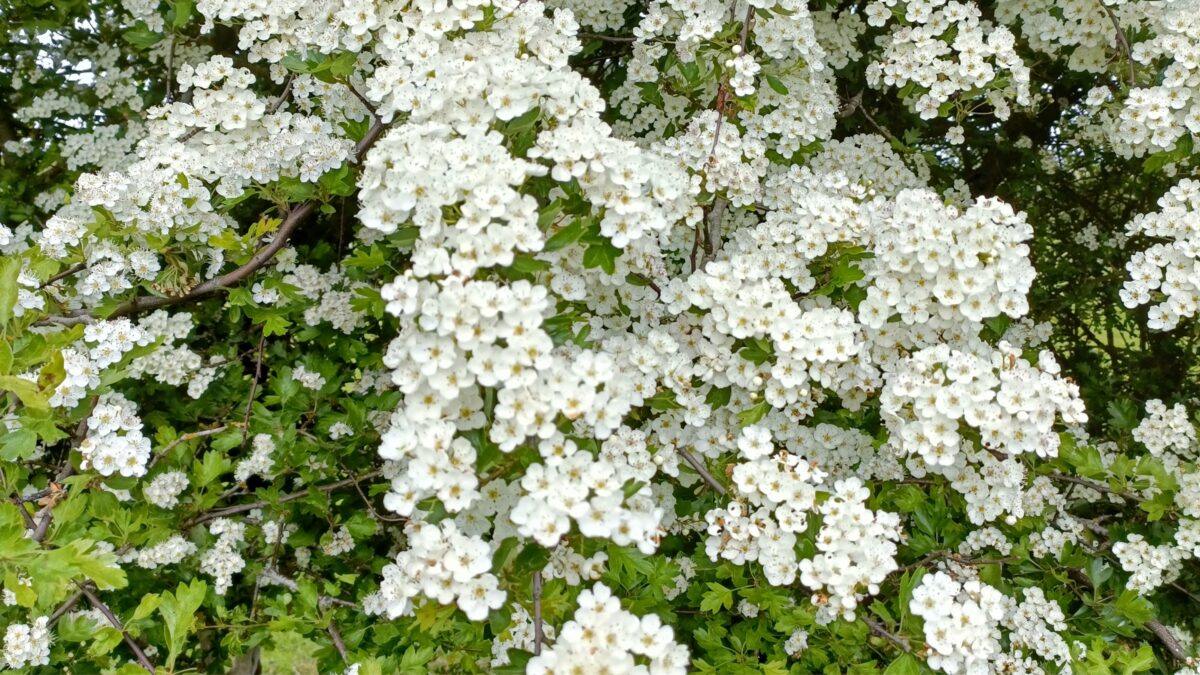
One species that will be flying soon is the Orange Tip Butterfly.  Only males have the bright orange wing tips. Females lay eggs on specific caterpillar food plants, mainly on Cuckooflower and Garlic Mustard, and this species is thriving, up by 42% since 1976.  Both species are flowering at the moment.  Garlic Mustard grows in shady spots in woodlands and hedgerows whilst Cuckooflower prefers damp meadows.

Garlic Mustard in Tysoe

Header photo credit: Illuvis, Pixabay

The RSPB’s latest advice on what and when to feed garden birds:

The RSPB’s latest advice on what and when to feed garden birds:

Feed seasonally. Feed safely.

Some species of garden bird, such as Greenfinches, are experiencing serious declines because of a disease called trichomonosis. This is a highly contagious disease and can spread where birds gather in large numbers such as at bird feeders.  Numbers of Greenfinches, for example, have dropped by over 65% in the last three decades. 

We can all help stop the spread of disease among garden birds by making two simple changes in how we feed birds.

Feed seasonally

During summer and autumn, there’s a higher risk of disease spreading. But it’s also when there are more natural foods available to birds, such as seeds and insects.  From 1 May to 31 October, stop filling your bird feeders with seeds or peanuts.  You can continue to offer garden birds small amounts of mealworms, fatballs or suet.  From 1 November to 30 April you can feed your birds a full range of bird foods, including seeds and peanuts.

Feed safely

  • Clean your bird feeders and water baths at least once a week. 
  • Place your bird feeders in a different spot every week. 
  • Avoid putting feeders under places where birds roost, such as under trees. 
  • Don’t use bird feeders with flat surfaces, such as bird tables, window feeders and feeders with trays. 
  • Feed in moderation. 
  • Keep food as dry as possible.
  • Change water in bird baths daily. 
  • Help birds find their own food. 

Find out more from the RSPB website