
Habitats
Wildlife Gardening
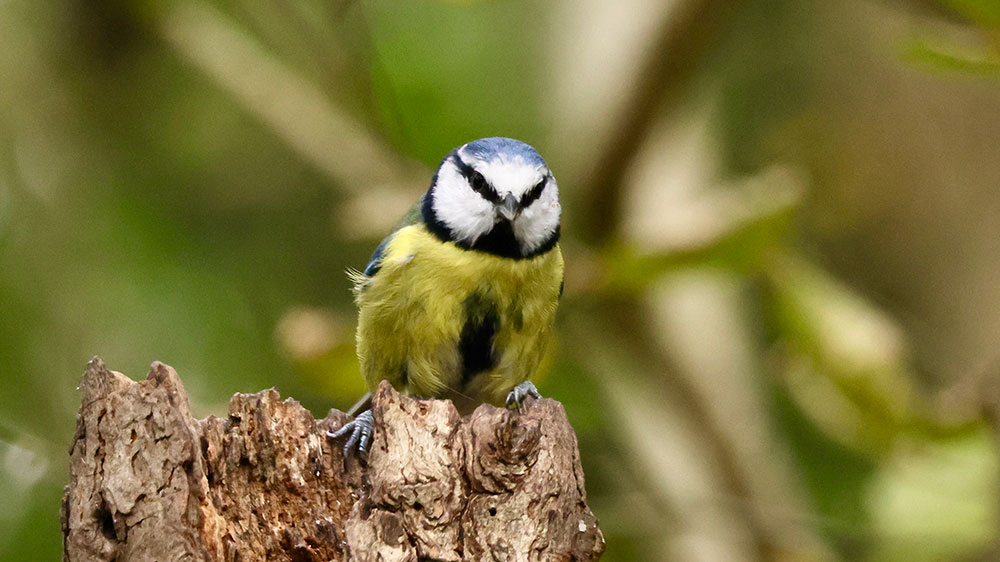
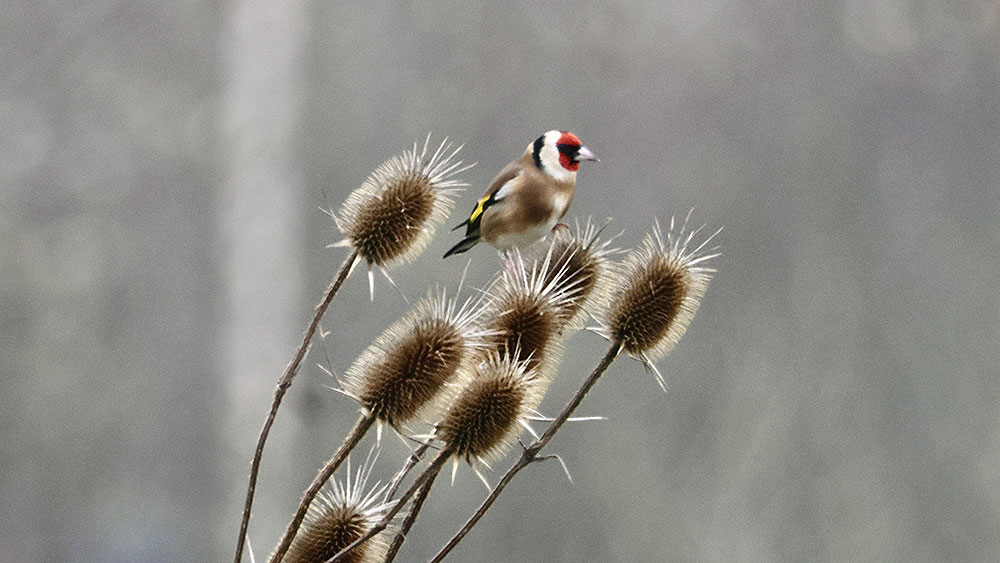
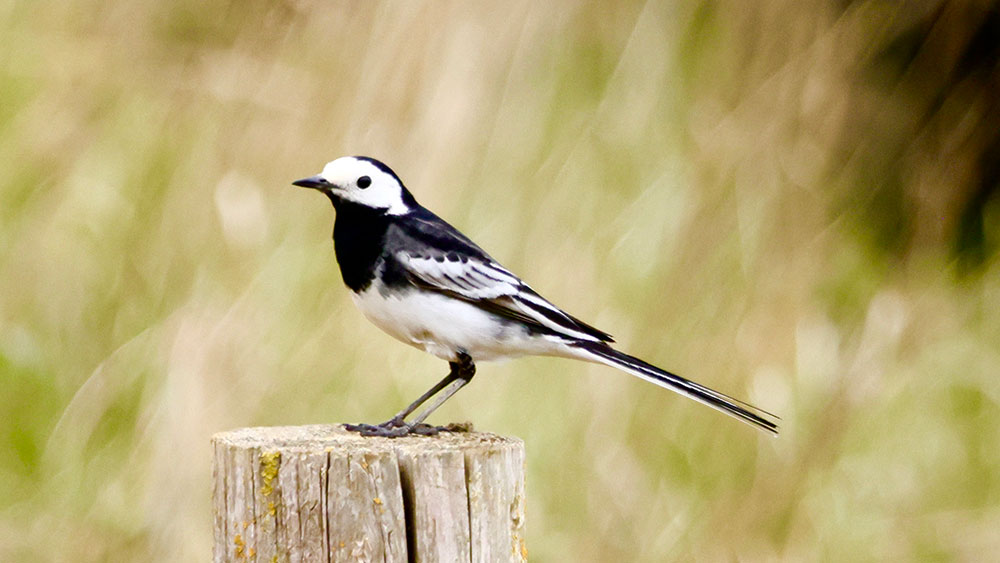
Gardens play an important role in supporting wildlife and enhancing biodiversity. By offering habitats, food, and shelter, they can greatly improve the health of local ecosystems. Key ways gardens contribute to wildlife include:
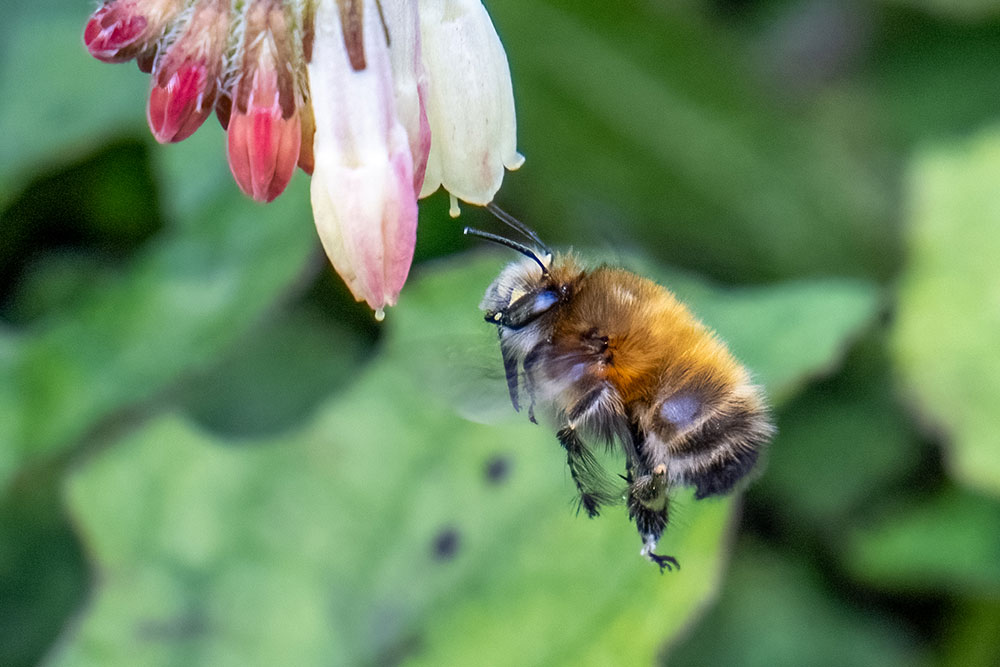
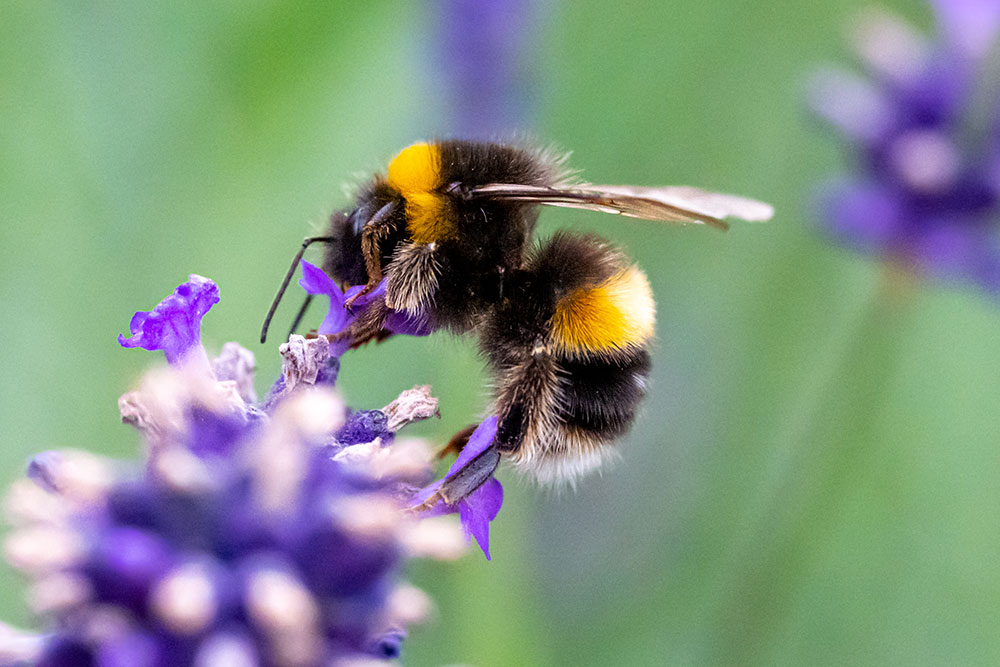
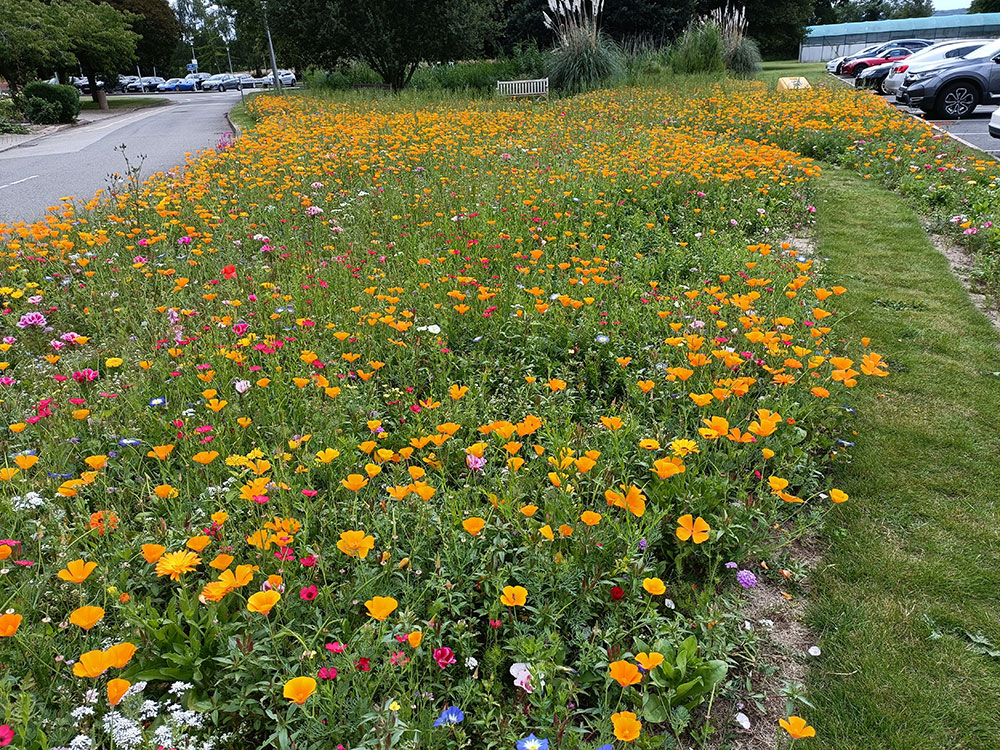
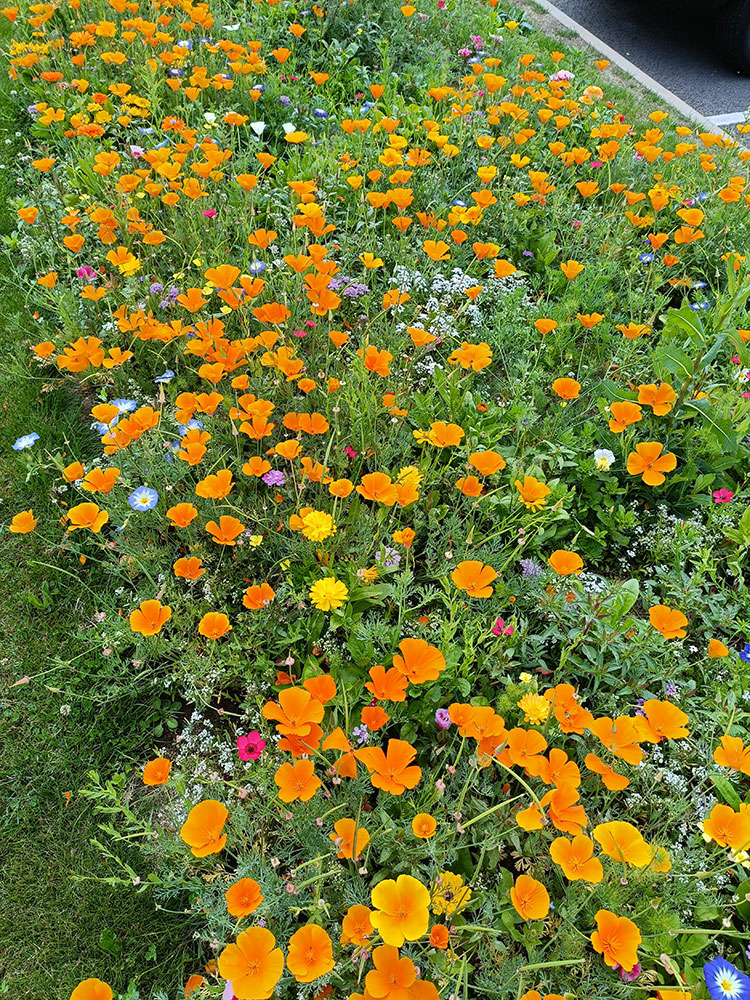
- Attracting Pollinators: Gardens planted with native and nectar-rich species attract pollinators such as bees and butterflies, which are vital for food production and maintaining the wider food web.
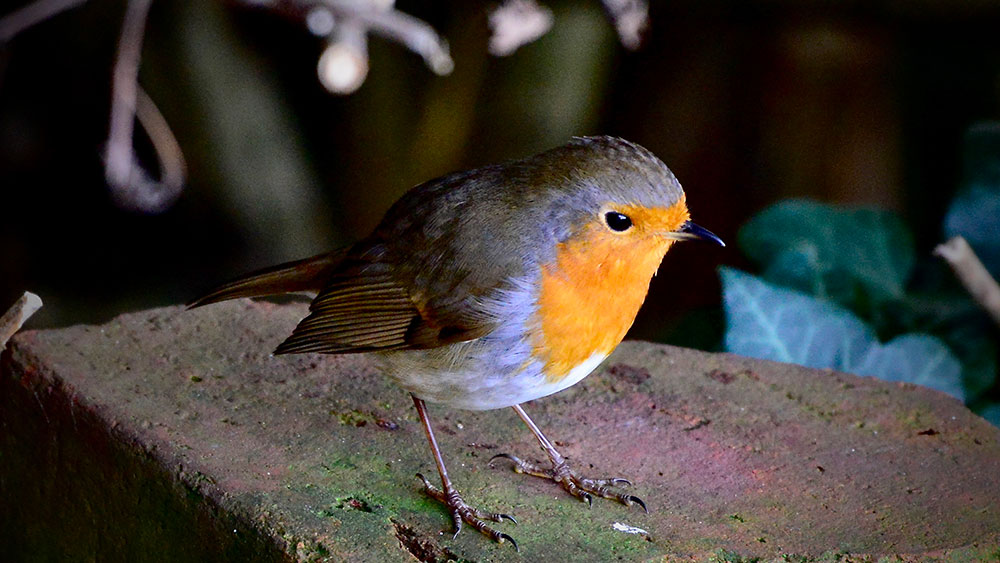
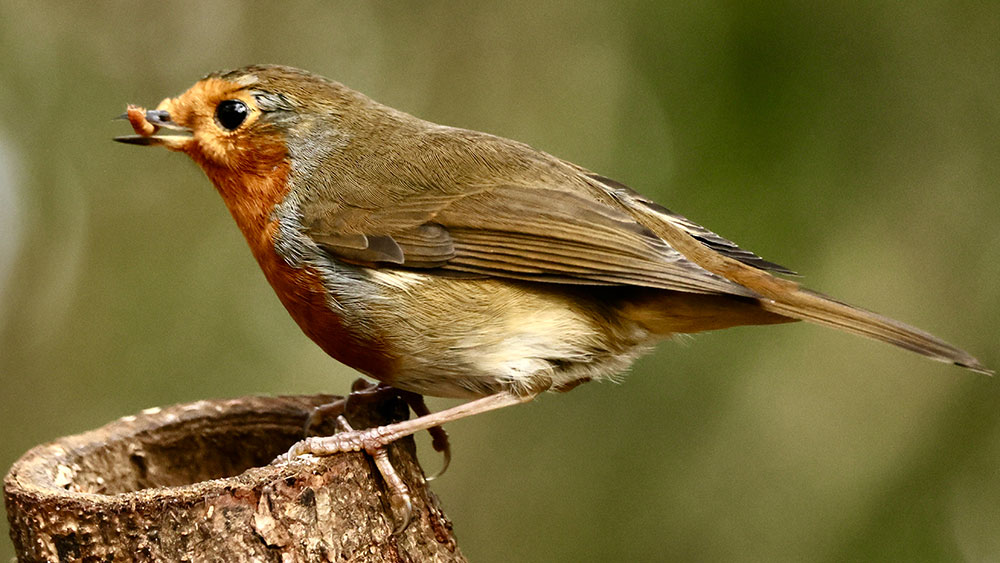
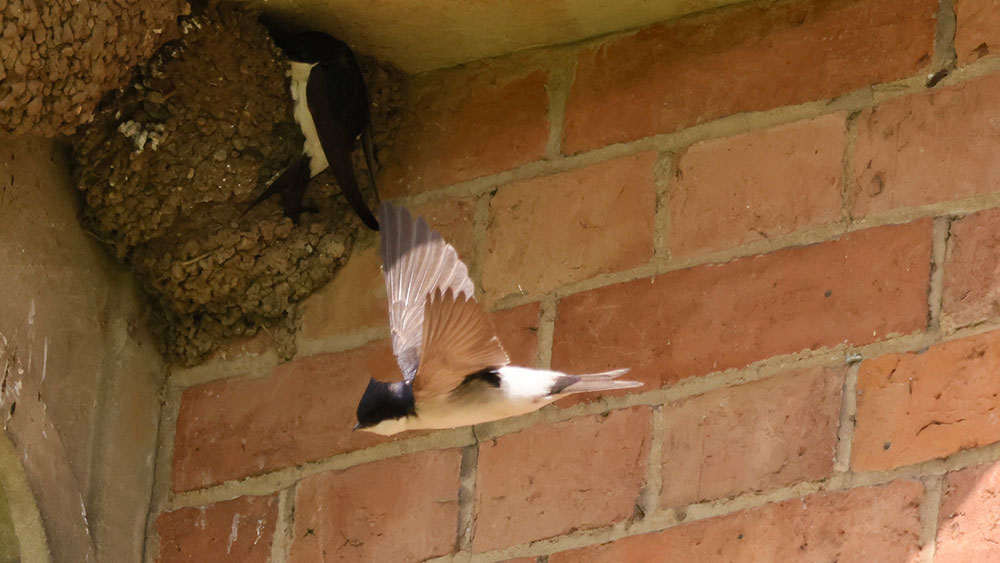
- Providing Shelter: Features like hedges, logs, and dead wood offer safe spaces for nesting birds and hibernating insects, while bee hotels help support solitary bees.
- Creating Wildlife Corridors: Hedgerows, climbing plants, and trees can form natural corridors that allow animals to move safely between habitats.
- Reducing Chemical Use: Avoiding synthetic pesticides and fertilizers protects wildlife and supports a healthier environment.
- Supporting Biodiversity: Gardens with varied plants and habitats can sustain a wider range of species, helping to create a balanced and self-sustaining ecosystem.

Projects
RSPB Big Garden Birdwatch
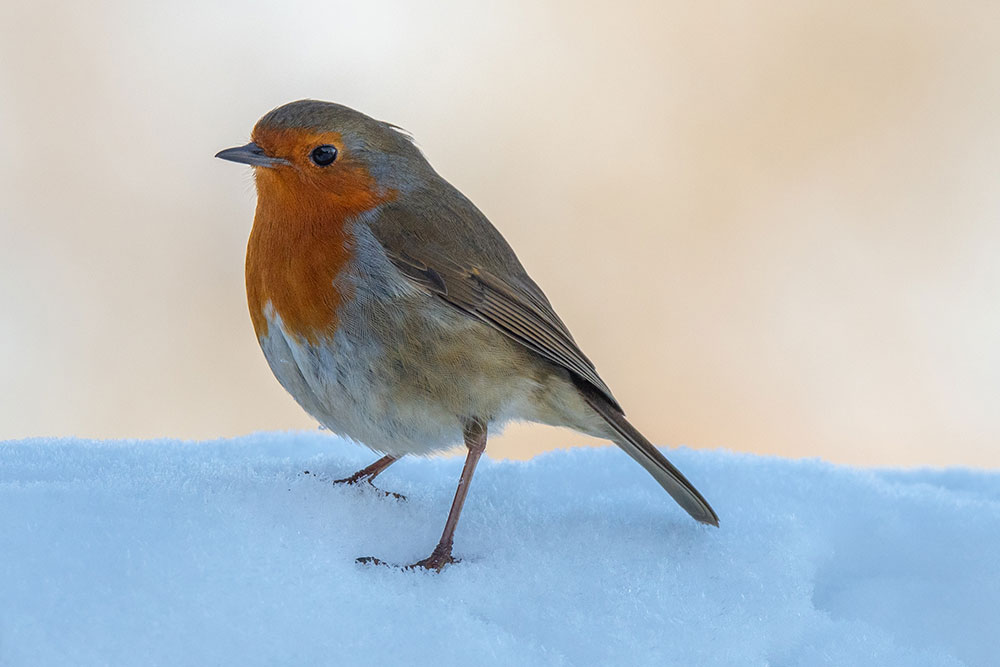
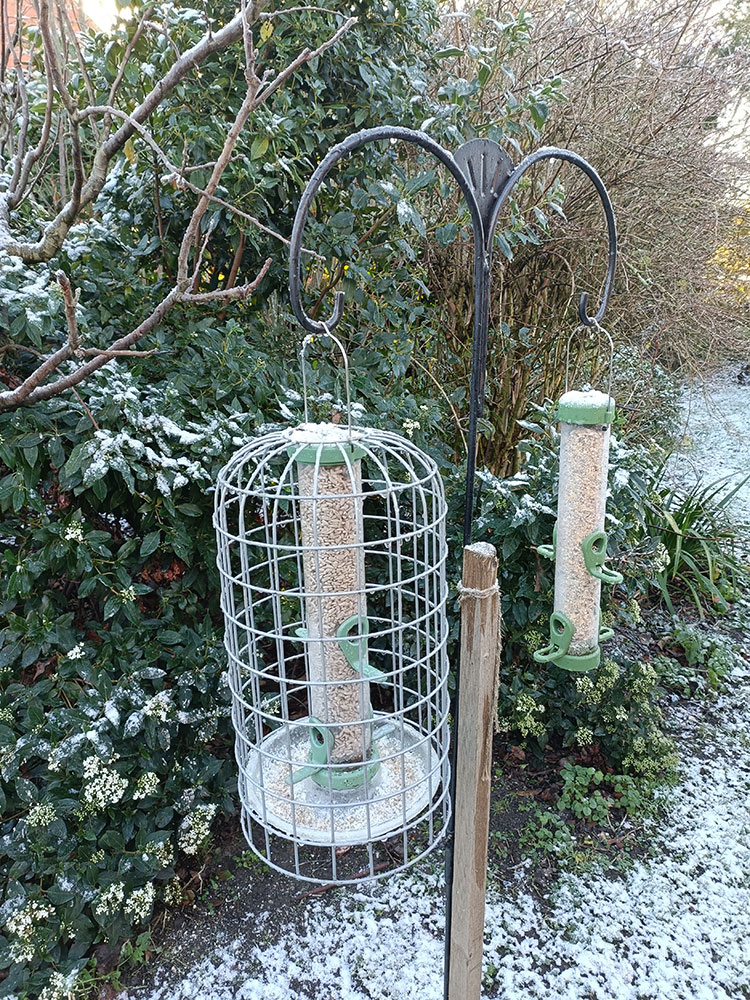
The Big Garden Birdwatch is the largest garden wildlife survey in the world. Each year, hundreds of thousands of people take part, helping to create a vital snapshot of how garden birds are doing. The RSPB provides all the guidance and resources online, and taking part is simple: just spend one hour watching the birds in your garden or local green space between 23 and 25 January 2026 and record any birds that visit. Afterwards, you report your sightings to the RSPB — even if you didn’t see any birds at all. Results can be submitted online or by post.

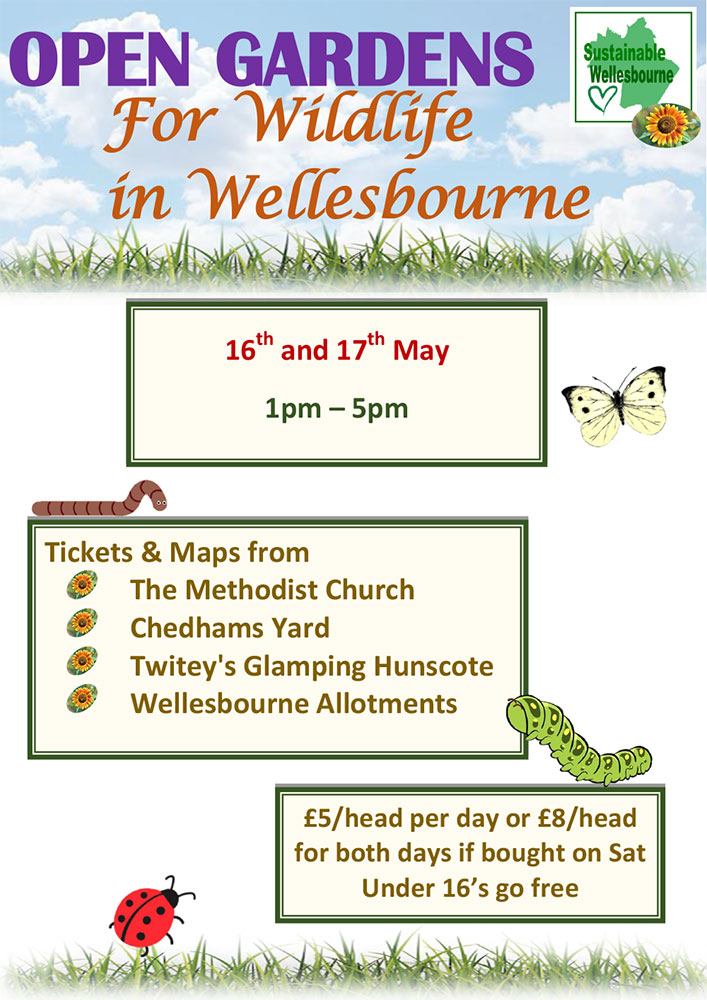
Open Gardens for Wildlife – Wellesbourne and Hunscote
Since 2024, residential, business and community gardens in Wellesbourne and Hunscote have been opened over a weekend in the summer to share ideas and methods for gardening with wildlife in mind.
In 2026, Open Gardens for Wildlife in Wellesbourne and Hunscote will be on May 16th and 17th. The theme for the third Open Gardens for Wildlife is Moths and Butterflies. 50% of money raised will go to the Warwickshire branch of Butterfly Conservation. The rest will go into wildlife and nature friendly projects in and around Wellesbourne. This year we have around 12 residential gardens (one new, two returning from 2024), Chedham’s Yard and seven plots at Wellesbourne Allotments. Dene Meadow and the Methodist Hall are also part of the day. Please note, Hunscote is a cycle ride or drive from Wellesbourne. There will be a Plant Sale on Saturday, Sunday is to be confirmed.
Resources & Guides for Wildlife Gardening



| Title | Categories | Link |
|---|