The Ragwort Debate

Ragwort and wildlife

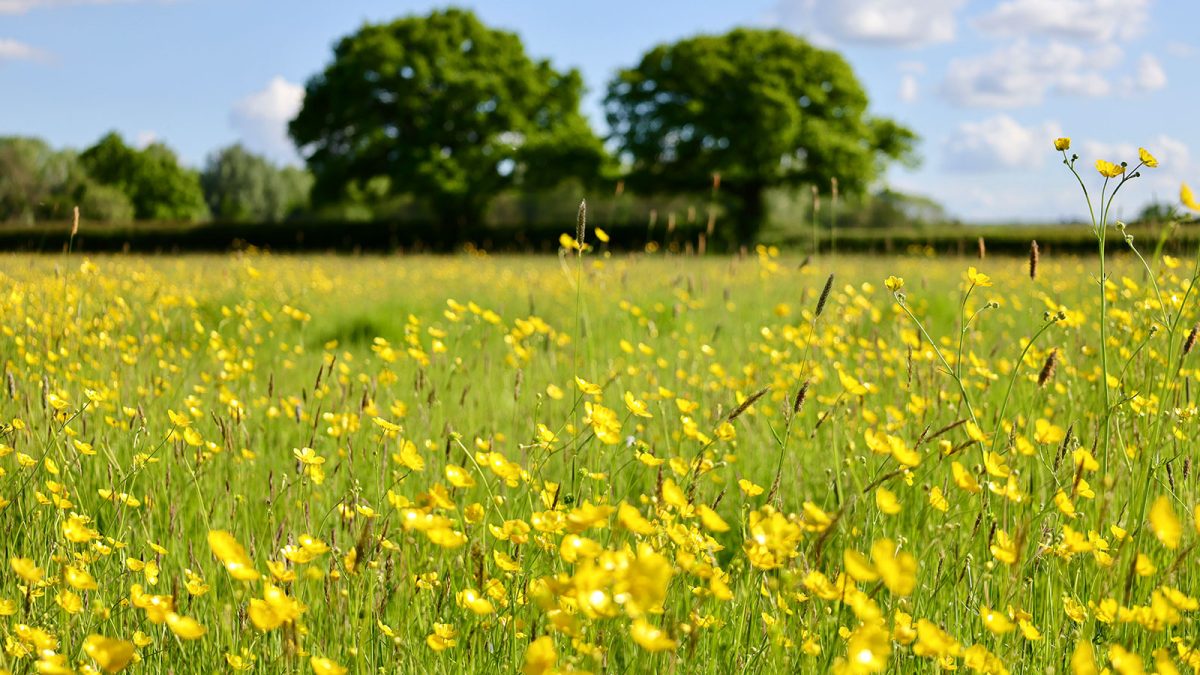
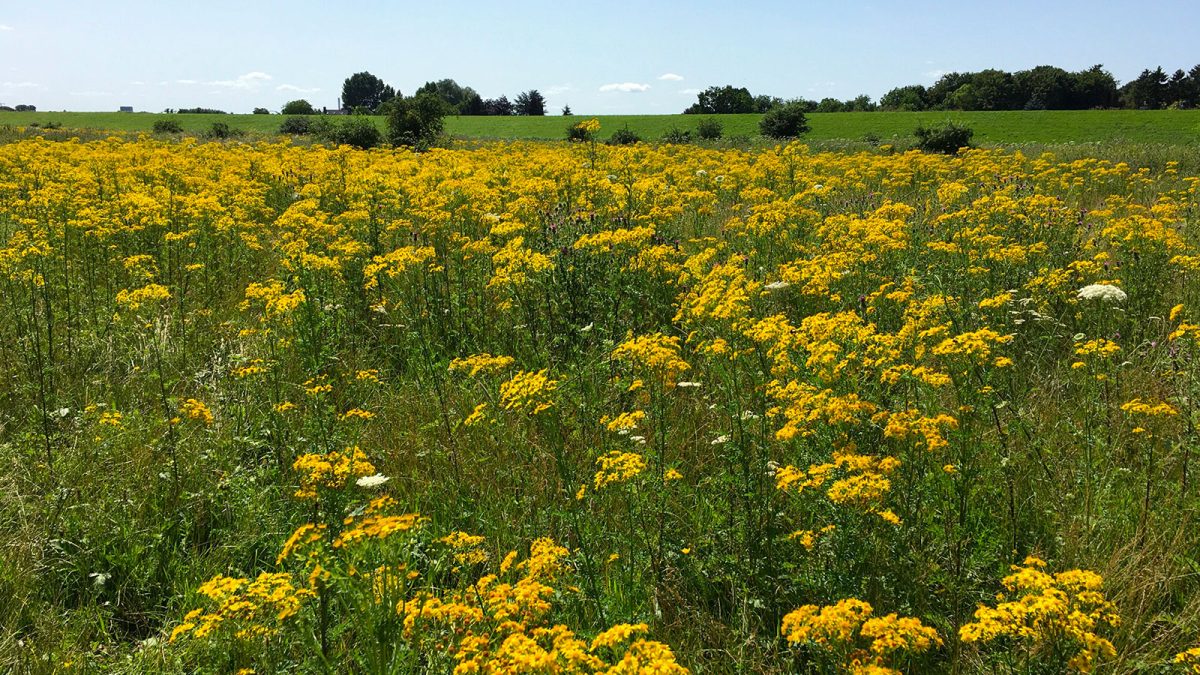
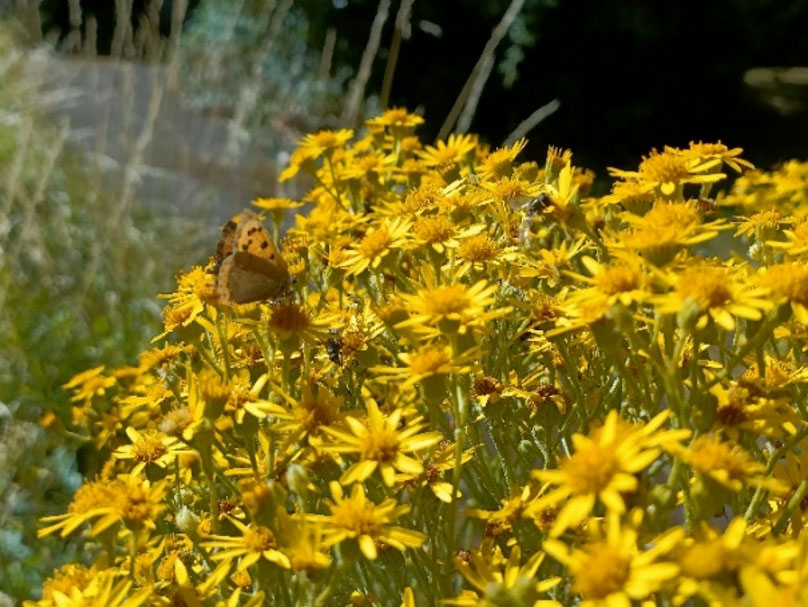
Common ragwort (Jacobaea vulgaris) is a native plant of the British Isles and plays an important role in supporting wildlife. According to the National Trust, ragwort is one of the most frequently visited flowers by butterflies, including Red Admiral and Peacock butterflies.

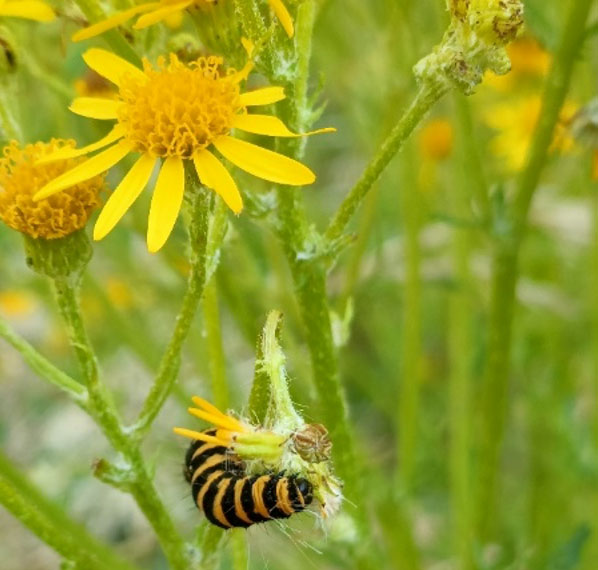
It provides food for around 178 species of insects, with 27 species relying on ragwort alone. Its bright yellow flowers also attract approximately 40 species of night-flying moths. These insects, in turn, support wider ecosystems by providing food for birds, bats, mice, voles and predatory insects. Ragwort flowers for longer than many other wild plants, offering a sustained source of nectar and pollen later into the season. It is also the sole food plant of the striking black-and-yellow caterpillars of the Cinnabar Moth.
Ragwort and Livestock Safety

Despite its ecological value, common ragwort is classified as a specified weed under the Weeds Act 1959. The plant contains toxins that can cause serious illness or death if eaten by horses and other grazing animals, particularly when ragwort is present in hay or silage.

To address this risk, Defra has produced a Code of Practice on How to Prevent the Spread of Ragwort. The Code promotes good land management to significantly reduce the likelihood of livestock poisoning. It is intended for all landowners and occupiers and provides practical guidance on:

  • Identifying common ragwort
  • Assessing risk and setting priorities for control
  • Choosing appropriate and effective control methods
  • Environmental considerations
  • Health and safety responsibilities

Importantly, the Code does not seek to eradicate ragwort altogether. Instead, it supports a strategic and proportionate approach, controlling ragwort only where it poses a genuine threat to the health and welfare of animals, while recognising its value to wildlife.

Header image credit: Cultureel Gelderland, CC0, via Wikimedia Commons


Resources & Guides for Ragwort

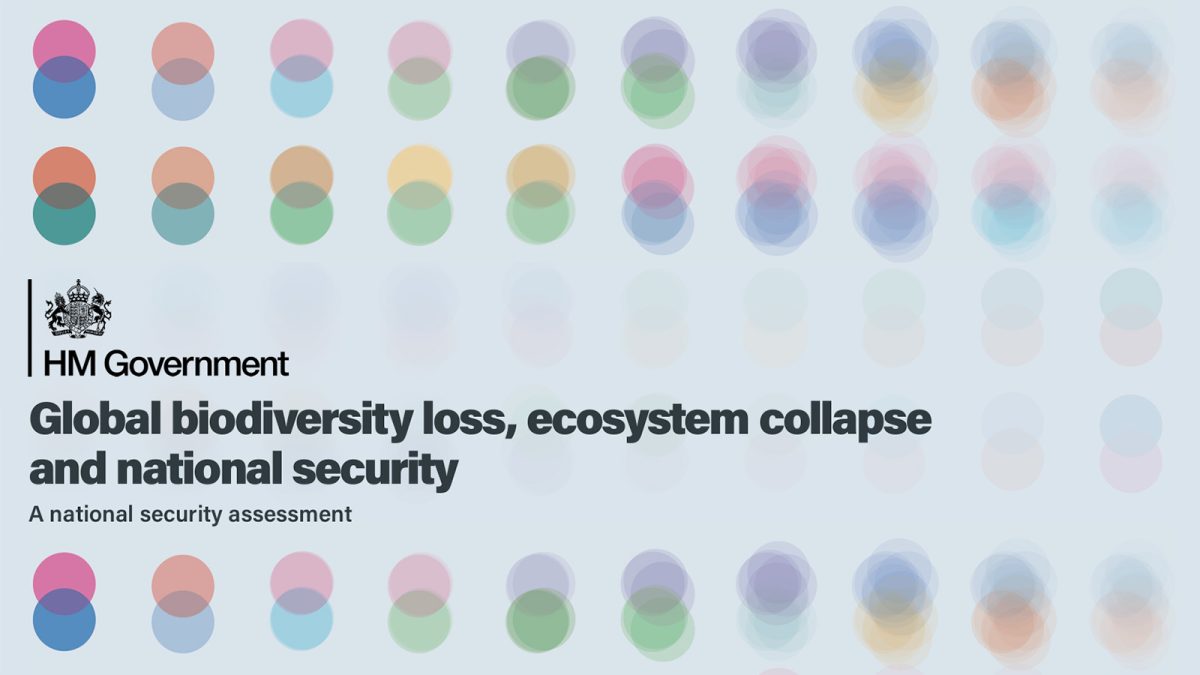
Nature security assessment on global biodiversity loss, ecosystem collapse and national security

This new strategic assessment from Defra explores how global biodiversity loss and the collapse of critical ecosystems could affect the UK’s resilience, security and prosperity.

https://www.gov.uk/government/publications/nature-security-assessment-on-global-biodiversity-loss-ecosystem-collapse-and-national-security.

This assessment is an analysis of how global biodiversity loss and ecosystem collapse could affect UK national security.

It shows how environmental degradation can disrupt food, water, health and supply chains, and trigger wider geopolitical instability. It identifies 6 ecosystems of strategic importance for the UK and explores how their decline could drive cascading global impacts.

This assessment, which was developed by analysts and experts across HM Government, supports long-term resilience planning. Publishing the assessment highlights opportunities for innovation, green finance and global partnerships that can drive growth while safeguarding the ecosystems that underpin our collective security and prosperity.

Announcing “The Gathering: for water and Nature”

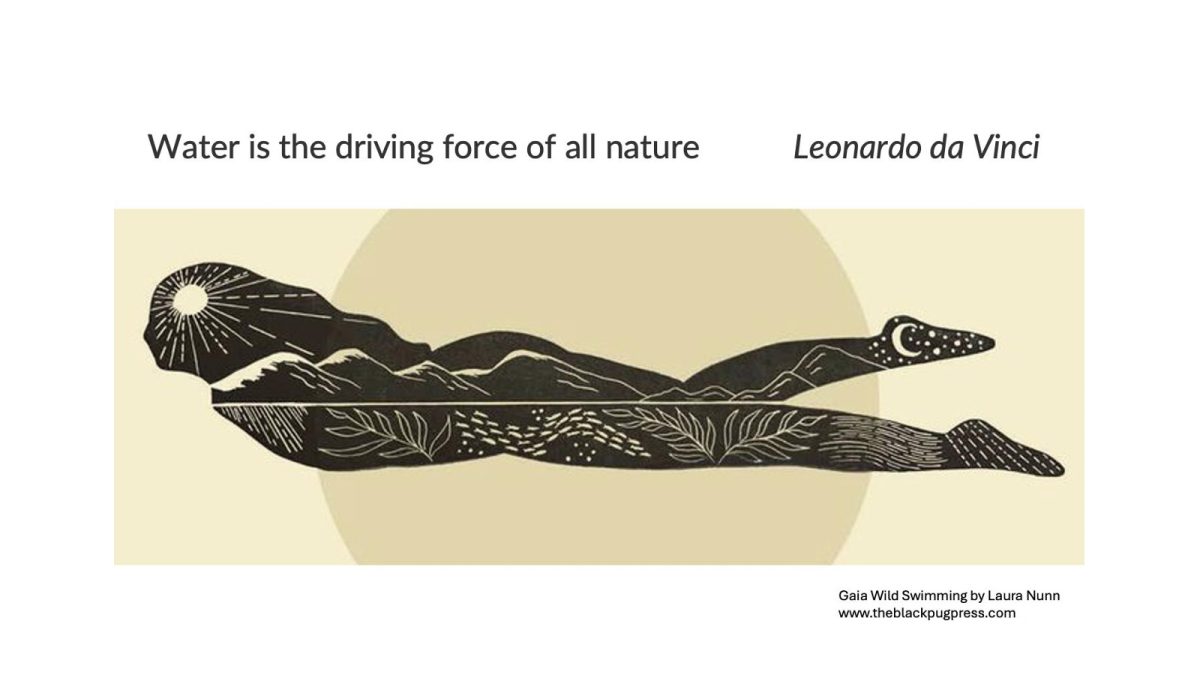
The River Hope team are organising events around Stratford-on-Avon District and South Warwickshire between 6 – 15 March, 2026, to see water differently – as a living presence that connects people, place and Nature.

The programme was launched on 1 December, 2025 at the Crowne Plaza Hotel in Stratford-upon-Avon: see presentation outlining the overarching vision (Remember | Reflect | Restore).

They are co-creating an opportunity for people across South Warwickshire to come together for learning, creative exploration and imagining, reflection, planning and action to mark the International Day of Action for Rivers on Saturday 14 March, 2026.

Expect: workshops, discussion panels, book talks, film screenings, exhibitions, ceremonies and hands-on activities that bring together residents, creatives, environmentalists, schools, local organisations, community groups and elected representatives.

New scrape and butterfly bank in Cornmill Meadows, Shipston-on Stour

Shipston is very fortunate to have its own designated Local Wildlife Site. Cornmill Meadows is owned and managed by Shipston Town Council with the help of Warwickshire Wildlife Trust and a team of local volunteers.

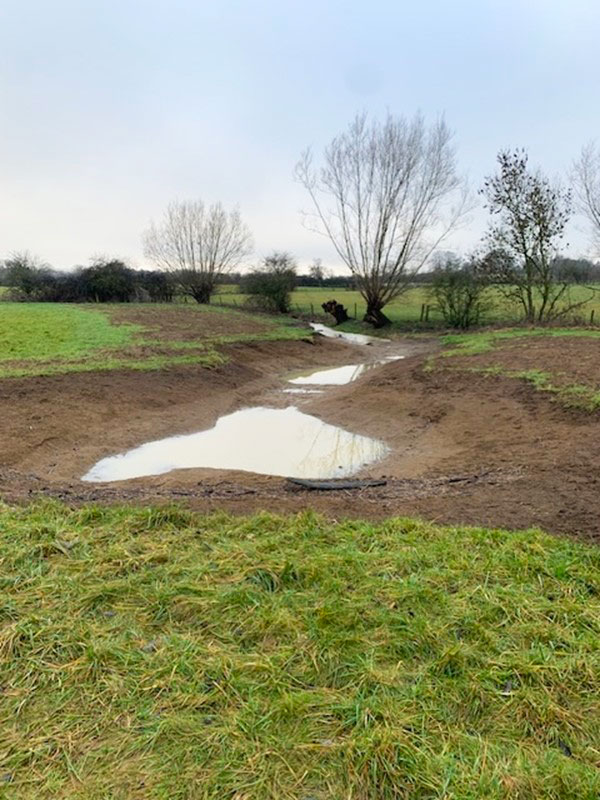
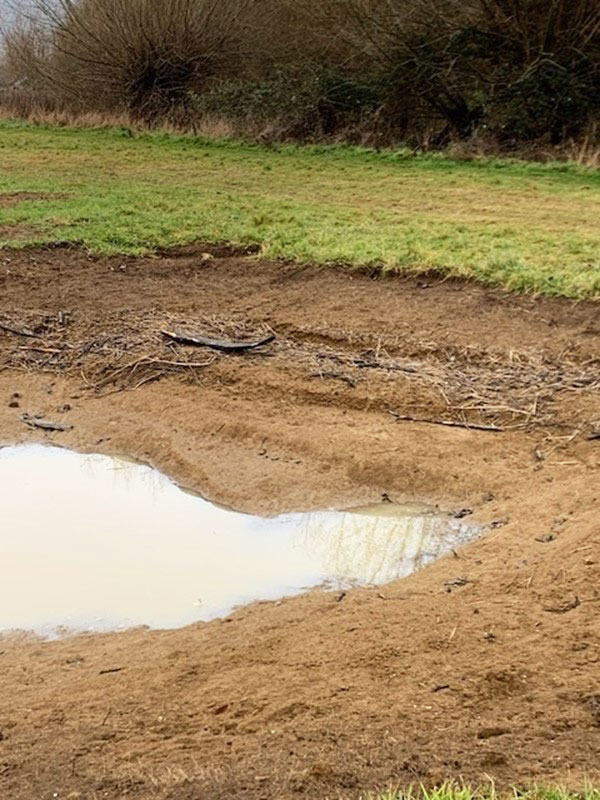
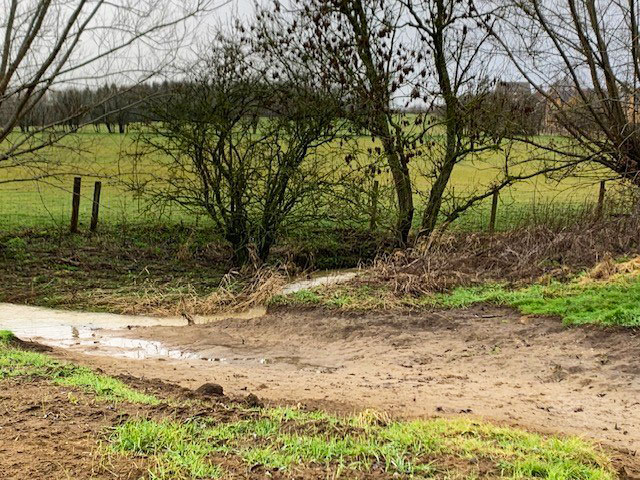
As soon as they took on Cornmill Meadows, the management group were encouraged to include ‘more water’. A team from the Severn Rivers Trust dug out a scrape in the lower meadow at the end of 2025 (at no cost to the group) and created a butterfly bank with the soil that was removed. The site obviously looks very bare at the moment, but the group will plant it up as soon as they can and, hopefully, within a year it should look a lot more established.