The Ragwort Debate

Ragwort and wildlife
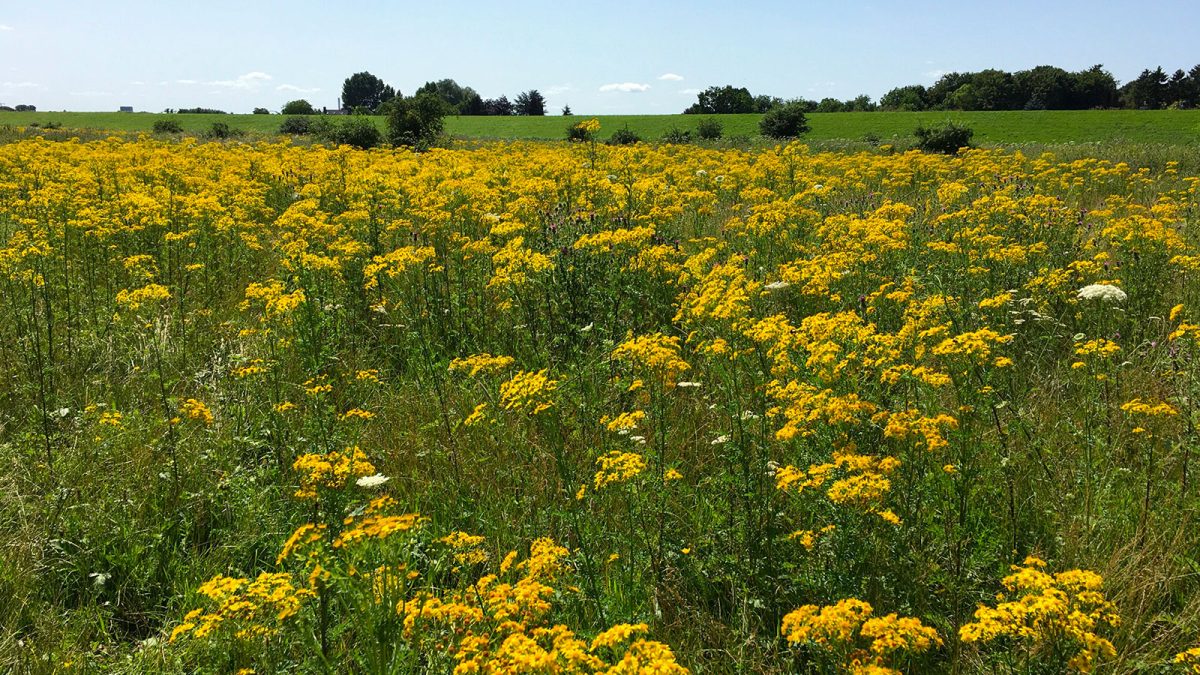
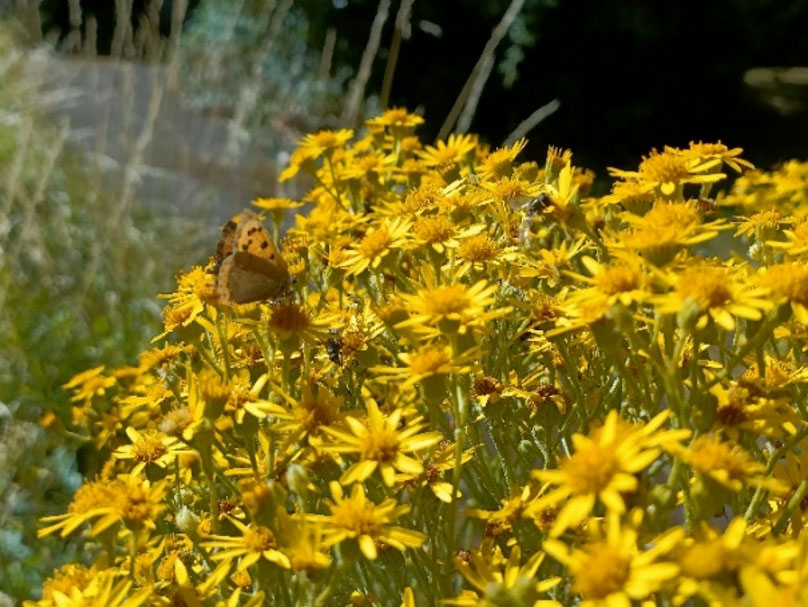
Common ragwort (Jacobaea vulgaris) is a native plant of the British Isles and plays an important role in supporting wildlife. According to the National Trust, ragwort is one of the most frequently visited flowers by butterflies, including Red Admiral and Peacock butterflies.
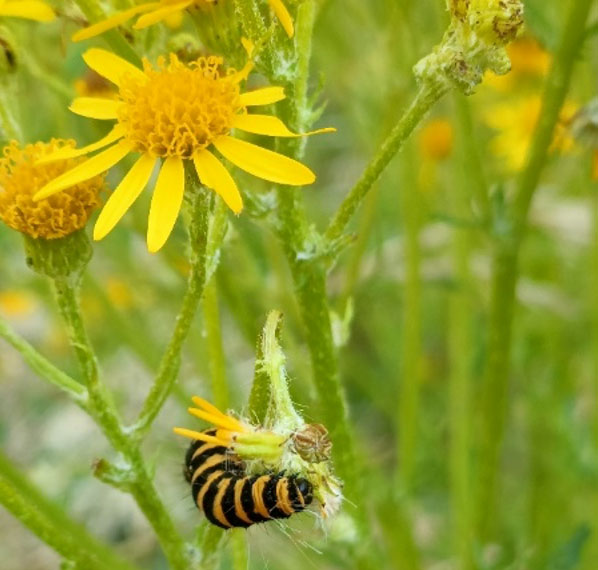
It provides food for around 178 species of insects, with 27 species relying on ragwort alone. Its bright yellow flowers also attract approximately 40 species of night-flying moths. These insects, in turn, support wider ecosystems by providing food for birds, bats, mice, voles and predatory insects. Ragwort flowers for longer than many other wild plants, offering a sustained source of nectar and pollen later into the season. It is also the sole food plant of the striking black-and-yellow caterpillars of the Cinnabar Moth.
Ragwort and Livestock Safety
Despite its ecological value, common ragwort is classified as a specified weed under the Weeds Act 1959. The plant contains toxins that can cause serious illness or death if eaten by horses and other grazing animals, particularly when ragwort is present in hay or silage.
To address this risk, Defra has produced a Code of Practice on How to Prevent the Spread of Ragwort. The Code promotes good land management to significantly reduce the likelihood of livestock poisoning. It is intended for all landowners and occupiers and provides practical guidance on:
- Identifying common ragwort
- Assessing risk and setting priorities for control
- Choosing appropriate and effective control methods
- Environmental considerations
- Health and safety responsibilities
Importantly, the Code does not seek to eradicate ragwort altogether. Instead, it supports a strategic and proportionate approach, controlling ragwort only where it poses a genuine threat to the health and welfare of animals, while recognising its value to wildlife.
Header image credit: Cultureel Gelderland, CC0, via Wikimedia Commons