
Habitats
Verges
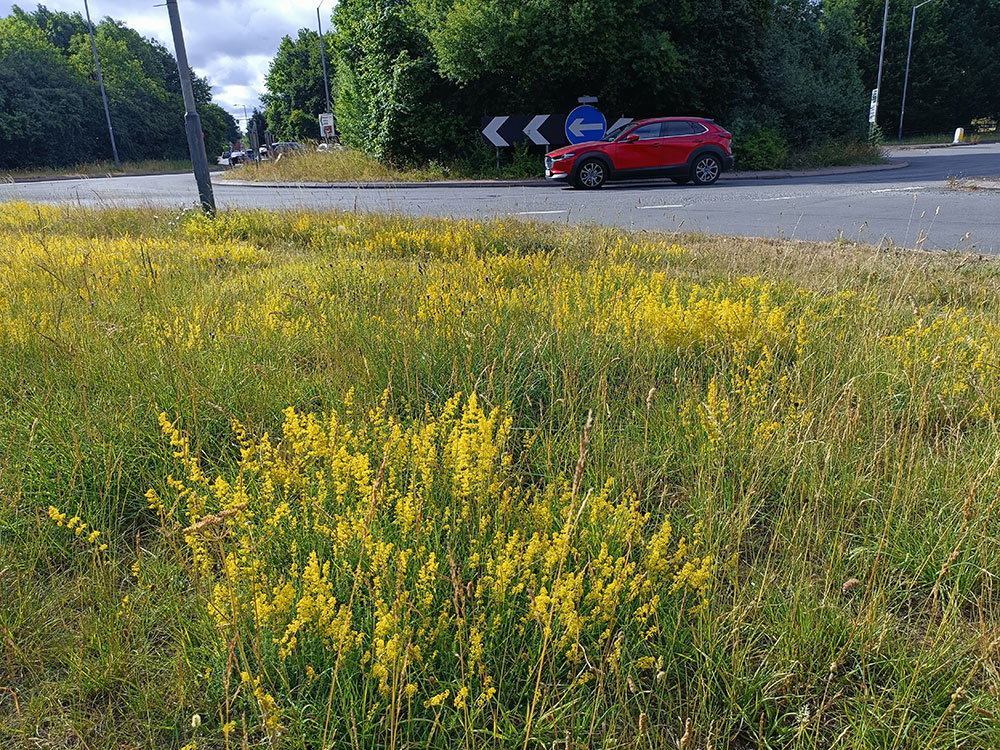
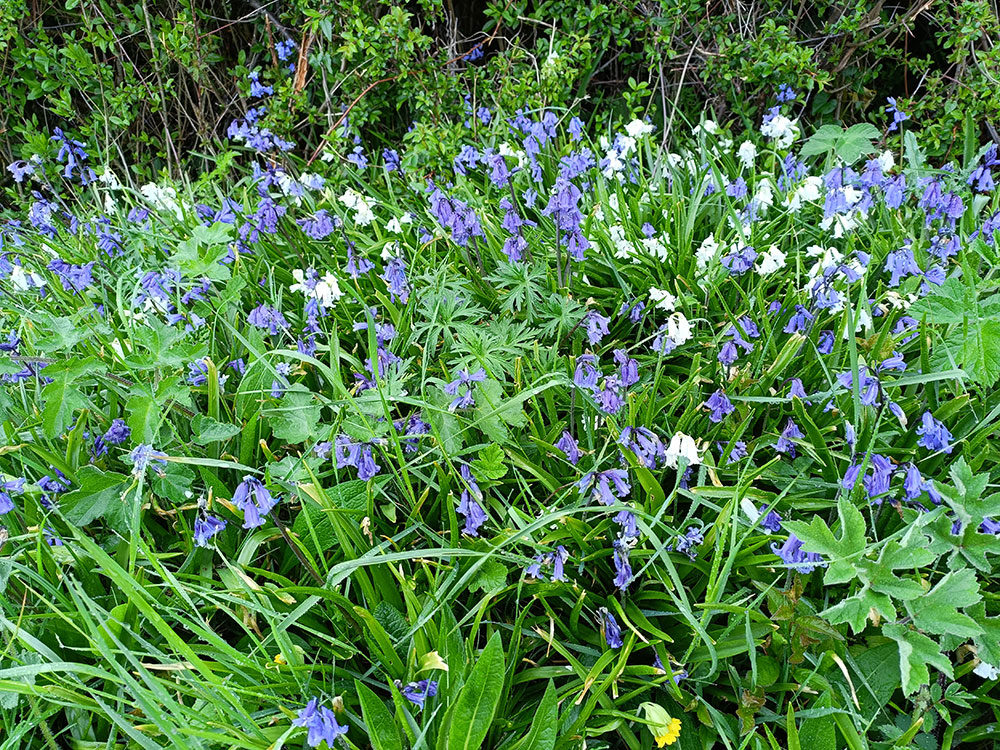
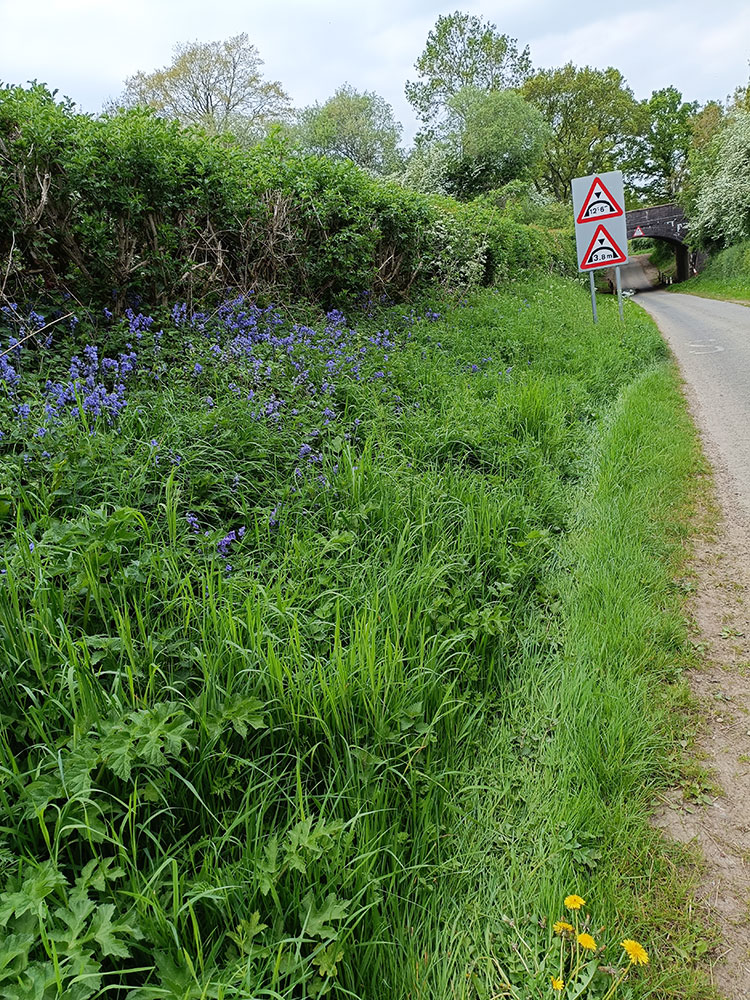
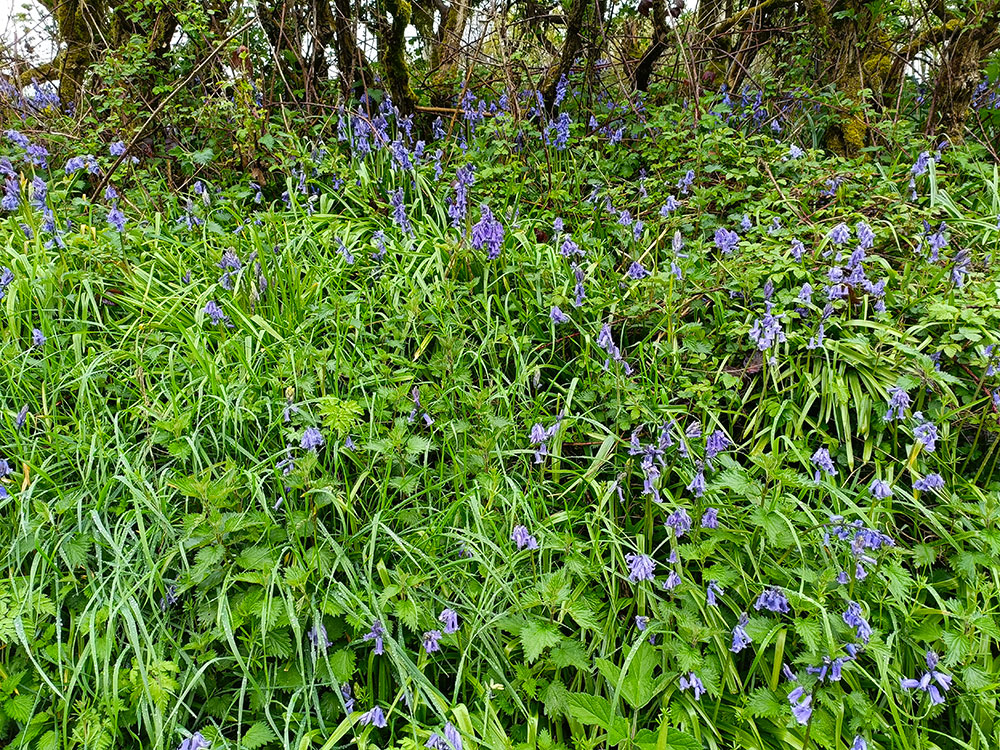
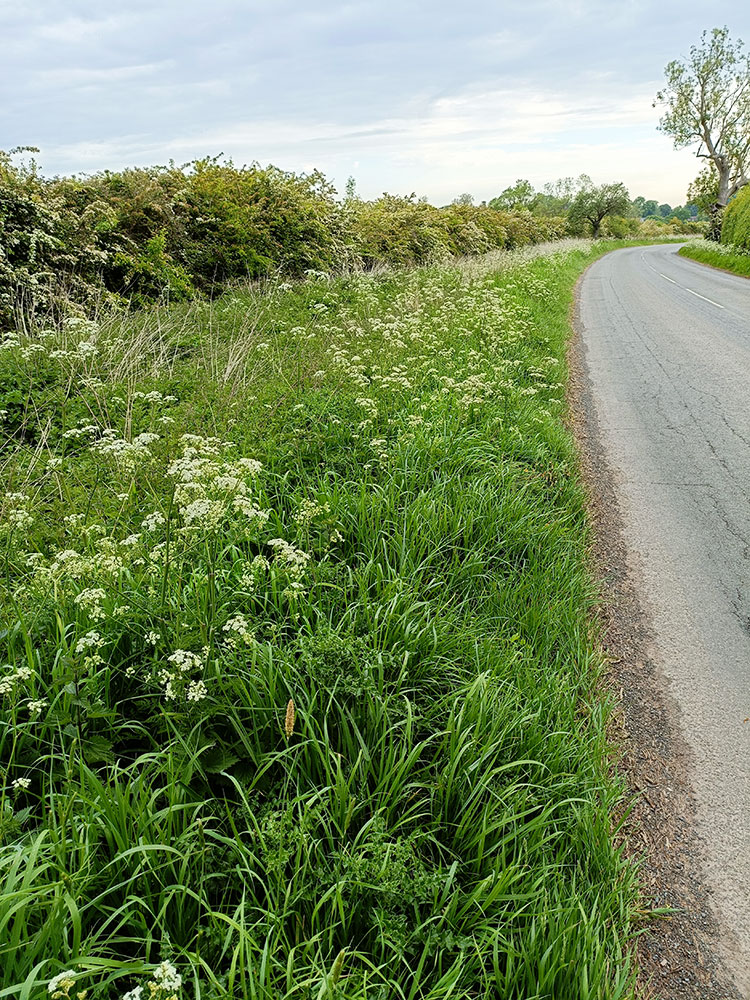
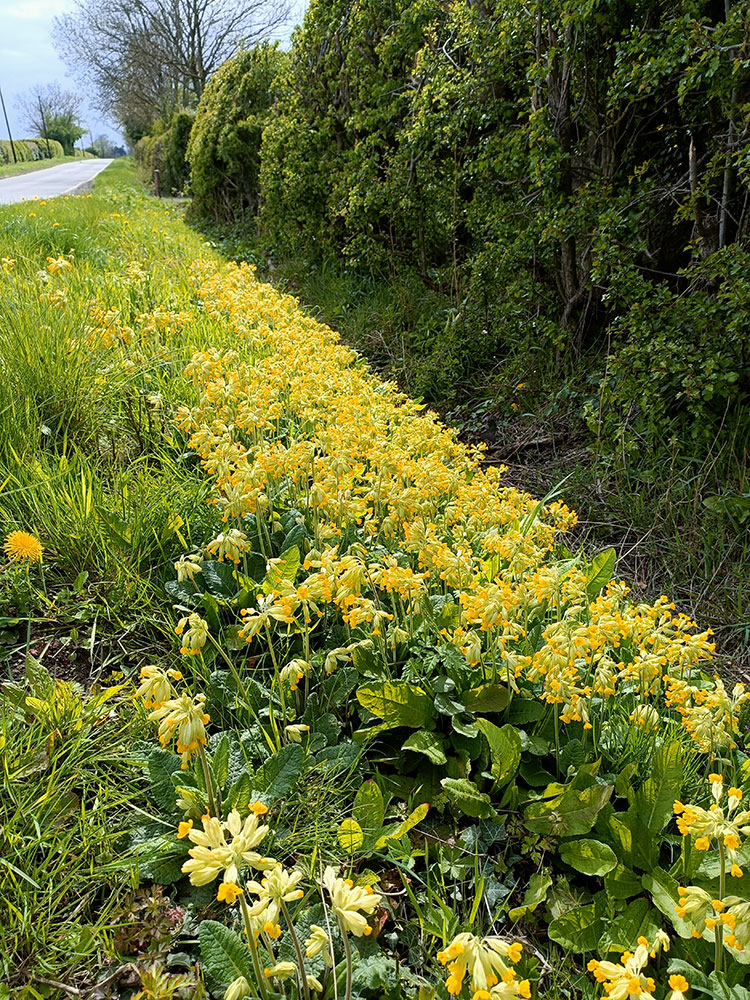
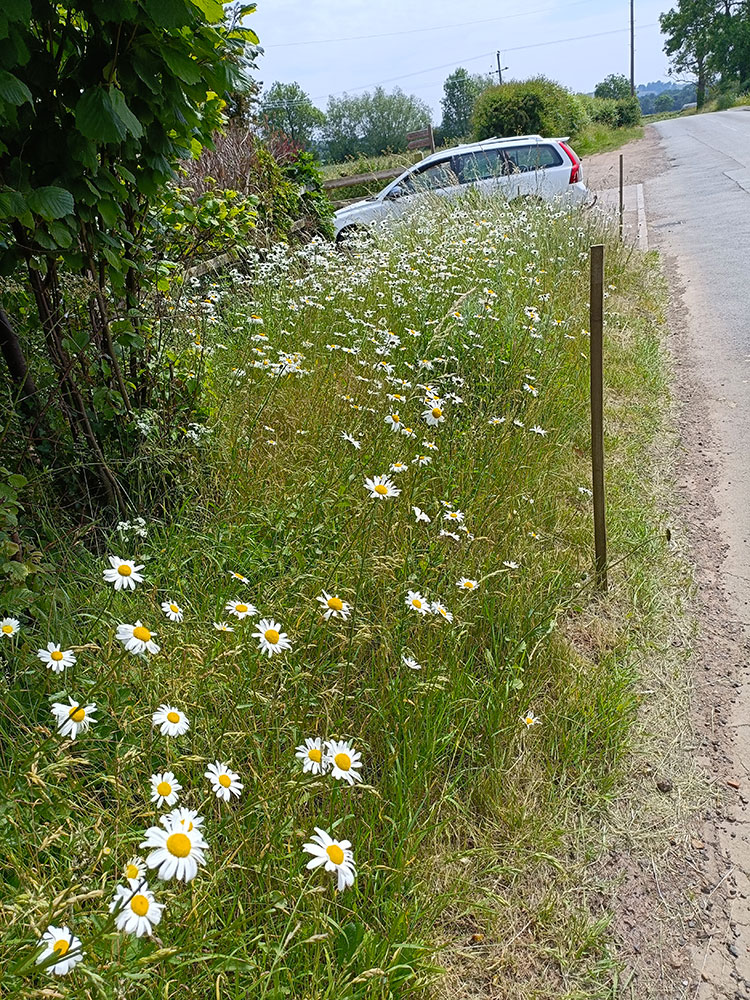
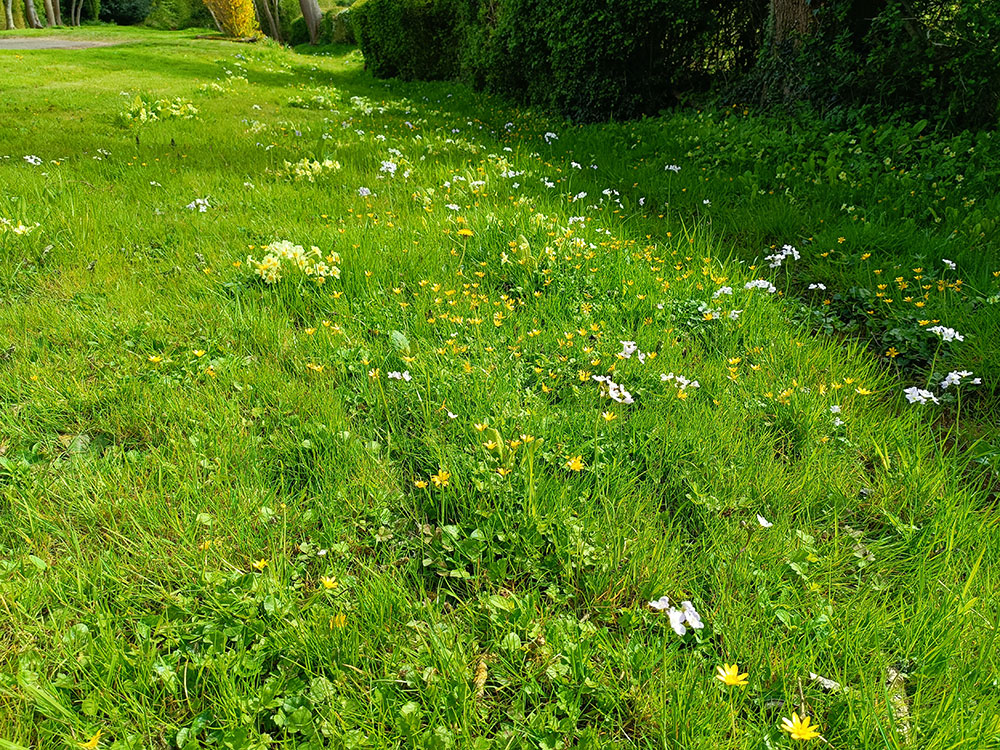
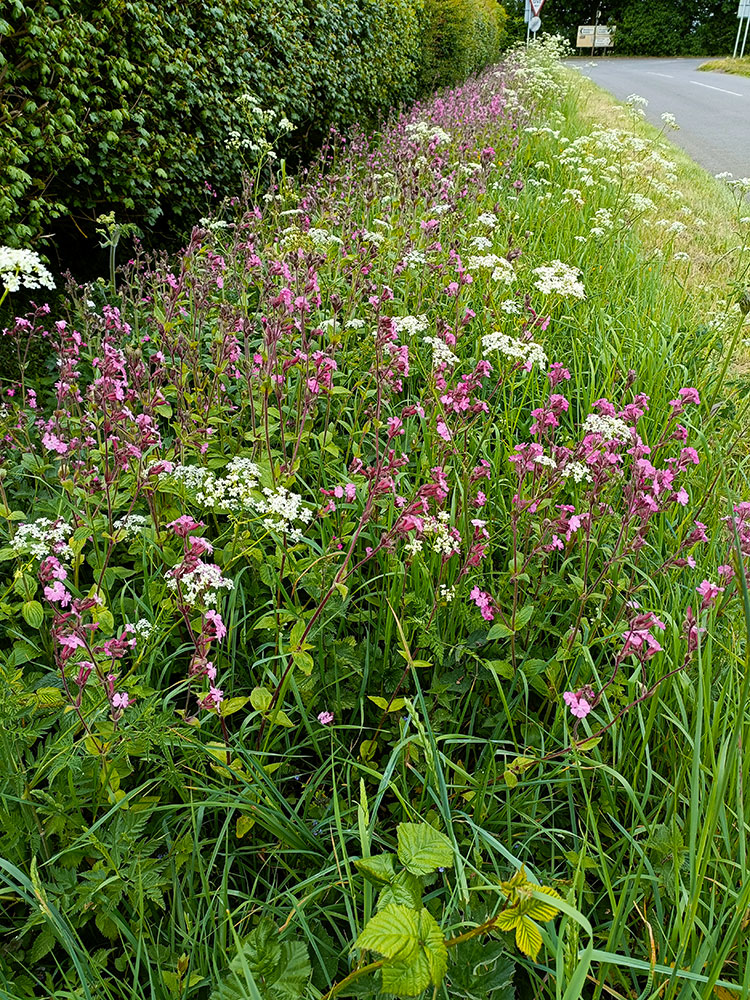
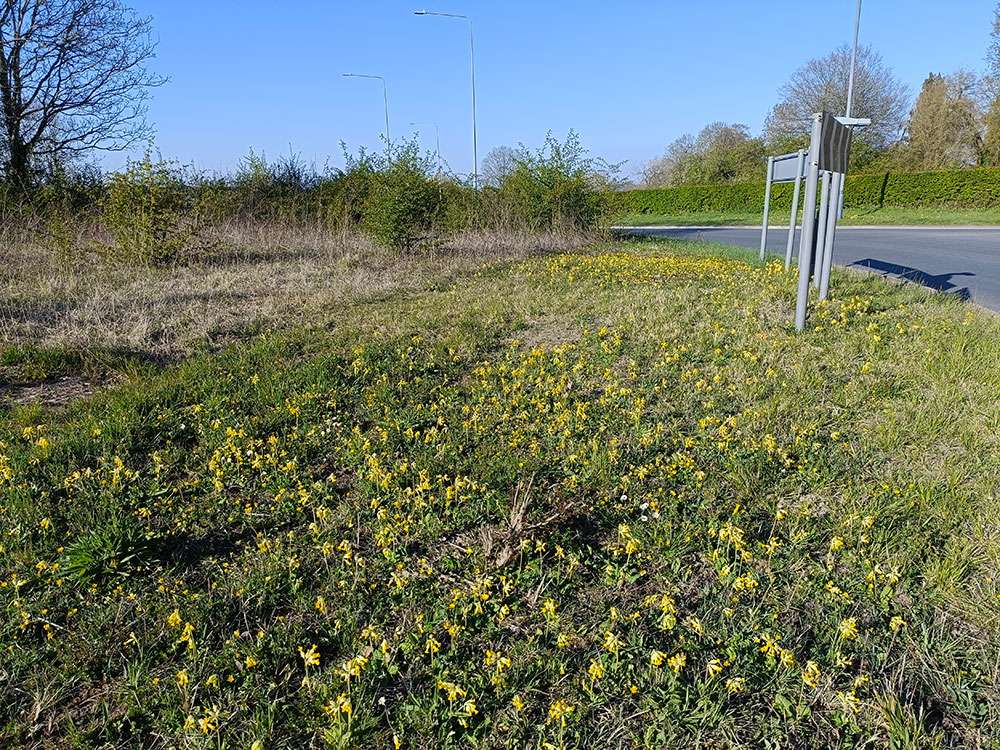
Together with hedgerows, verges provide a network of wildlife habitats throughout the county. They are a priority habitat in Warwickshire’s Local Nature Recovery Strategy. Well managed road verges, whether in the countryside or towns, can support many species. According to Plantlife, more pollinators are found on well-managed verges than in the neighbouring countryside and nearly 45% of our total flora is found on verges.
Verges have considerable value as small areas of grassland which is a priority habitat in Warwickshire. Some of the verges in south Warwickshire have been designated as Local Wildlife Sites, often because of their floral diversity, which undoubtedly supports a range of other species. Calcareous grassland verges designated as Local Wildlife Sites include Darlingscott Triangle (roadside verge with some calcareous grassland some neutral), Stretton on Fosse Road Verge, Pillerton Priors Road verge, Chesterton Road Verge, Ettington by-pass, Tredington Fosse Way Verges.
Success stories
Tysoe Wildlife
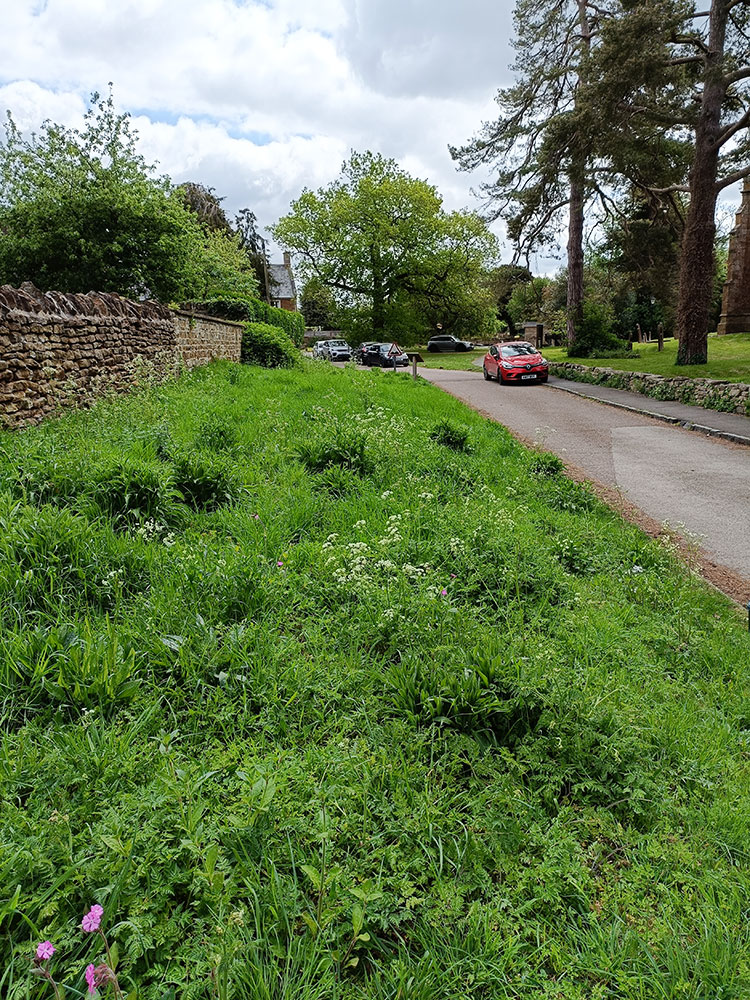
Over recent years, Tysoe Parish Council, supported by Tysoe Wildlife, has adopted a “No Mow May” approach on selected village verges, allowing flowers such as daisies, dandelions, and speedwell to bloom. This initiative has helped support insect pollinators during May.
From 2026, the Parish Council will be refining this approach by managing fewer verge areas, while allowing them to grow and flower for longer. Evidence shows that leaving grass and wildflowers uncut beyond the end of May has an even greater positive impact on wildlife.
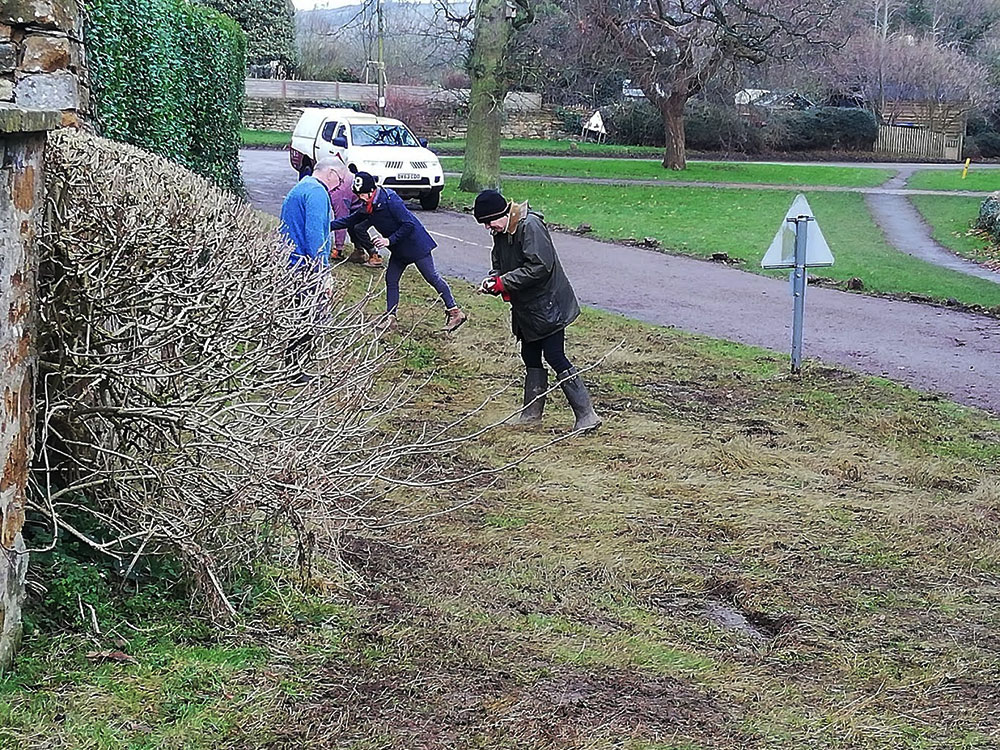
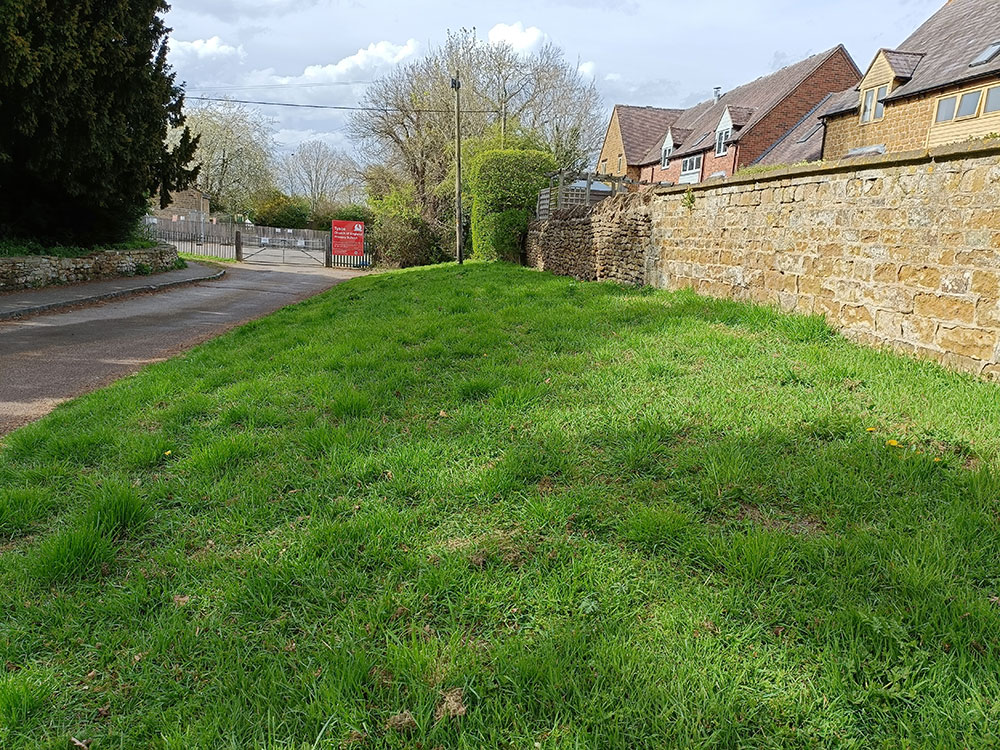
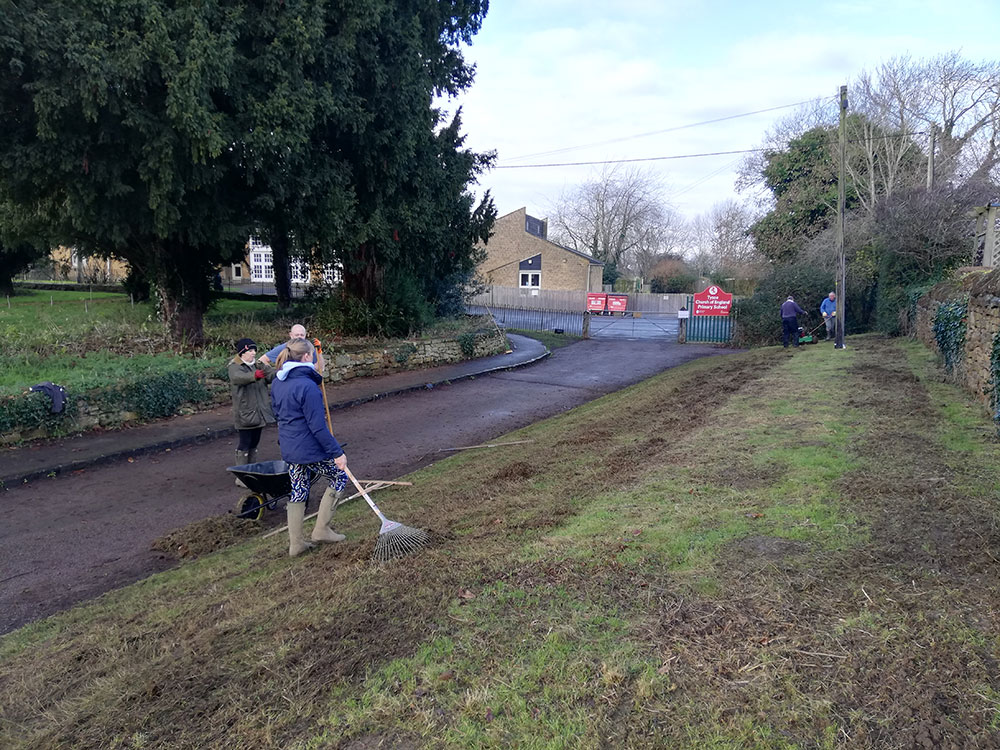
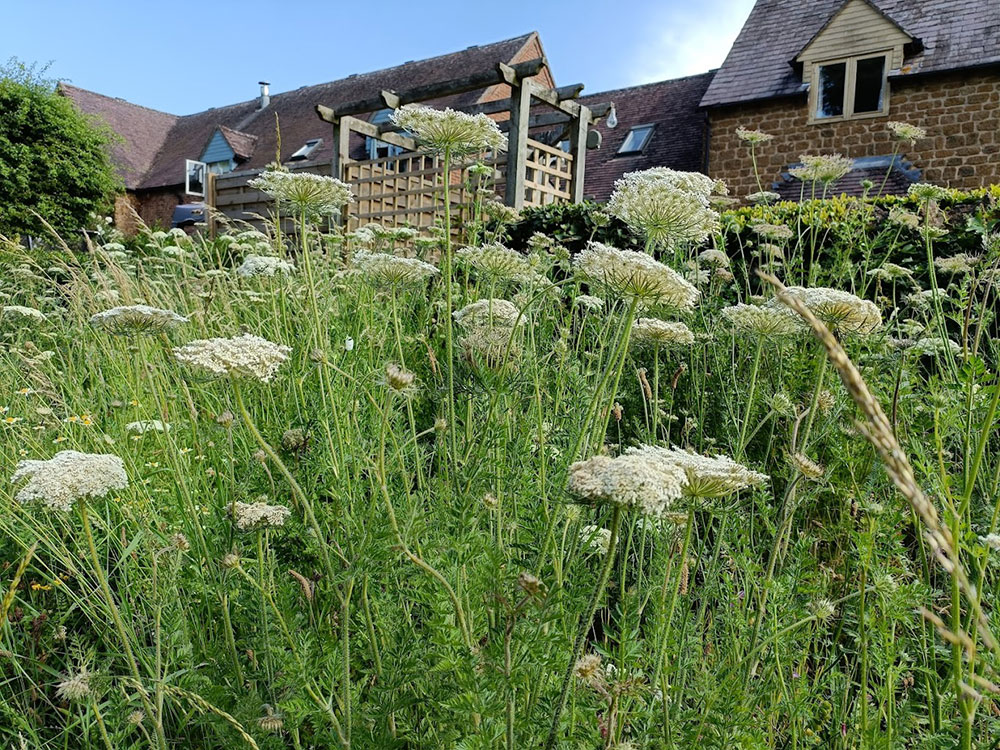
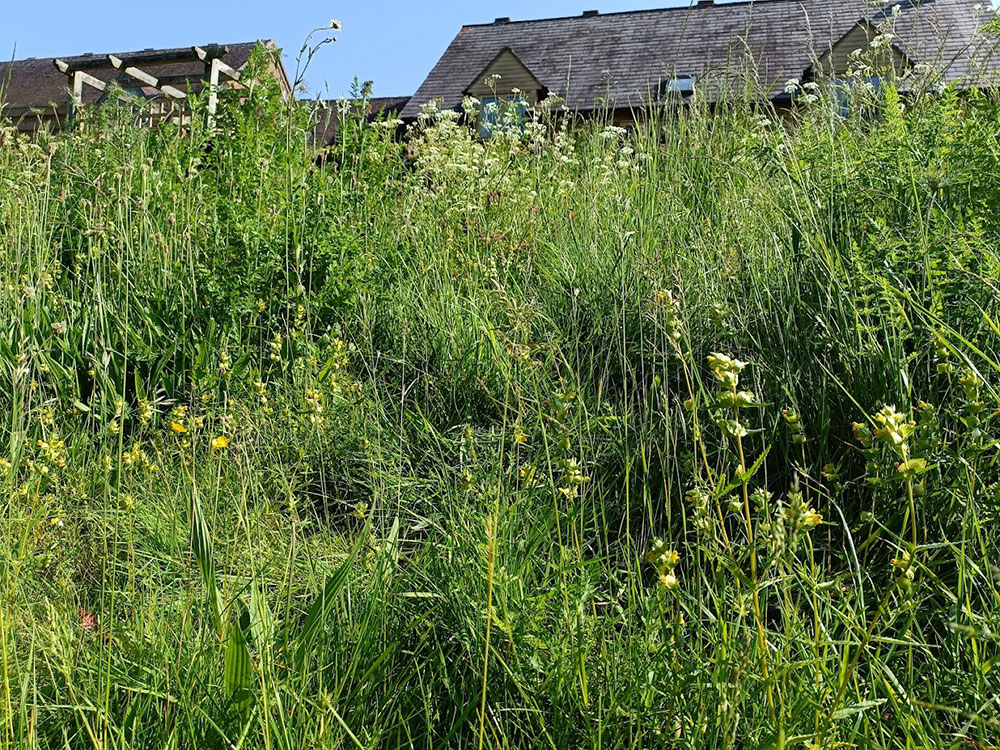
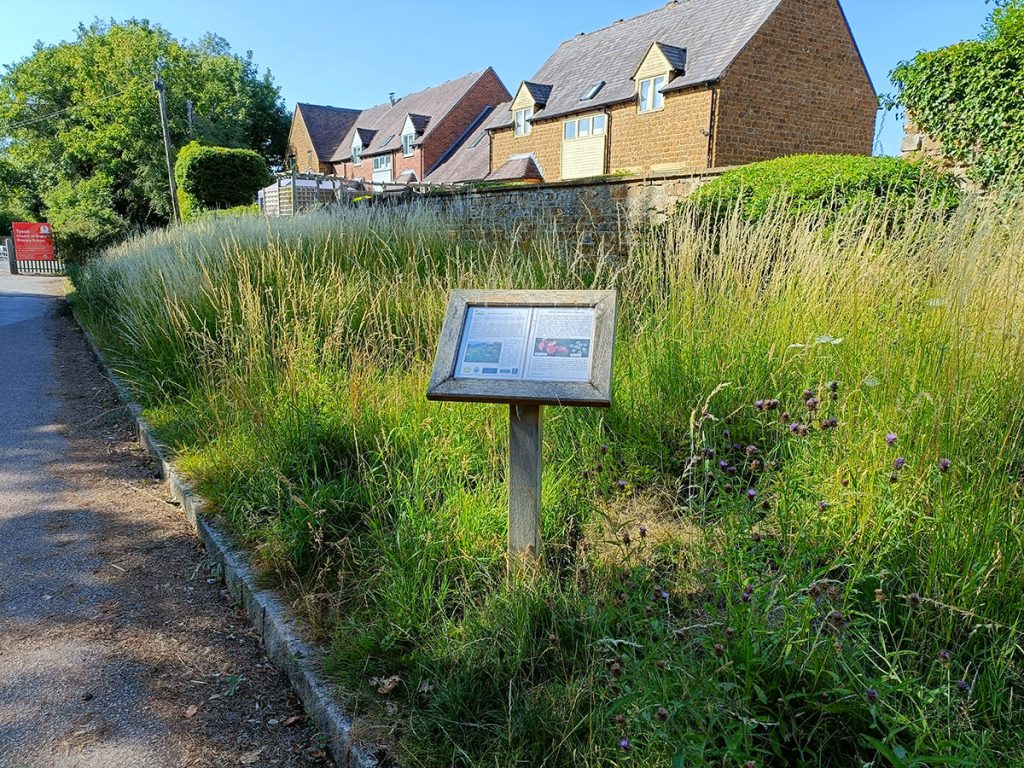
Tysoe Wildlife has also created a permanent wildflower meadow on a wide verge in School Lane. With support from Warwickshire Wildlife Trust, wildflowers were sown here and in strips along the edges of the playing fields as part of the Trust’s Wilder Communities | Warwickshire Wildlife Trust project, funded by Severn Trent.
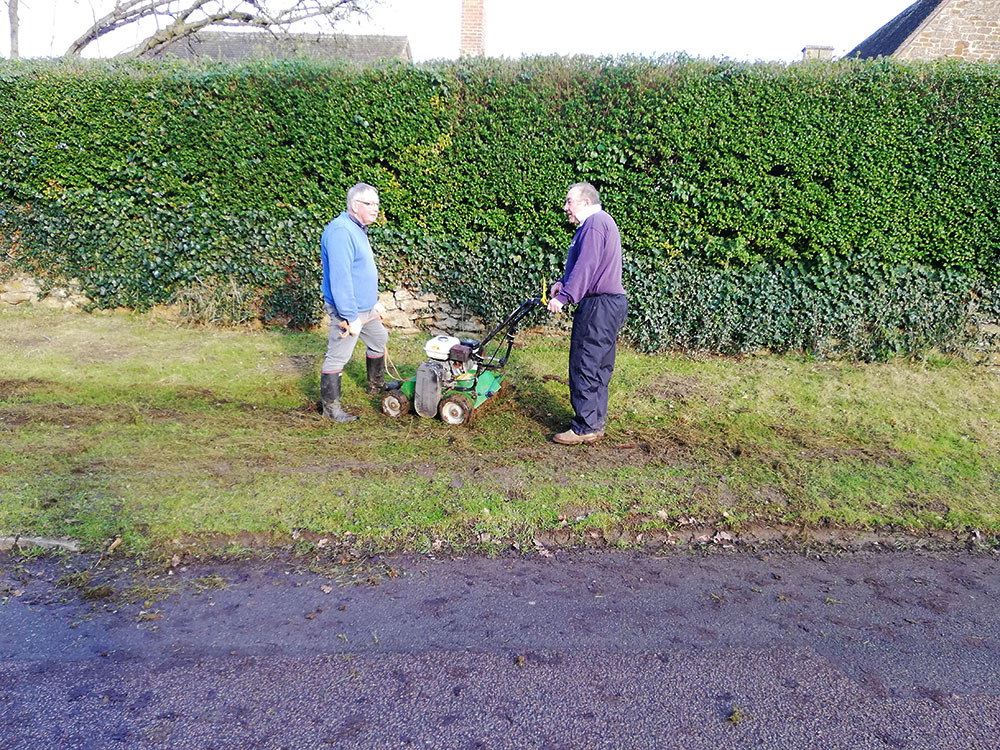
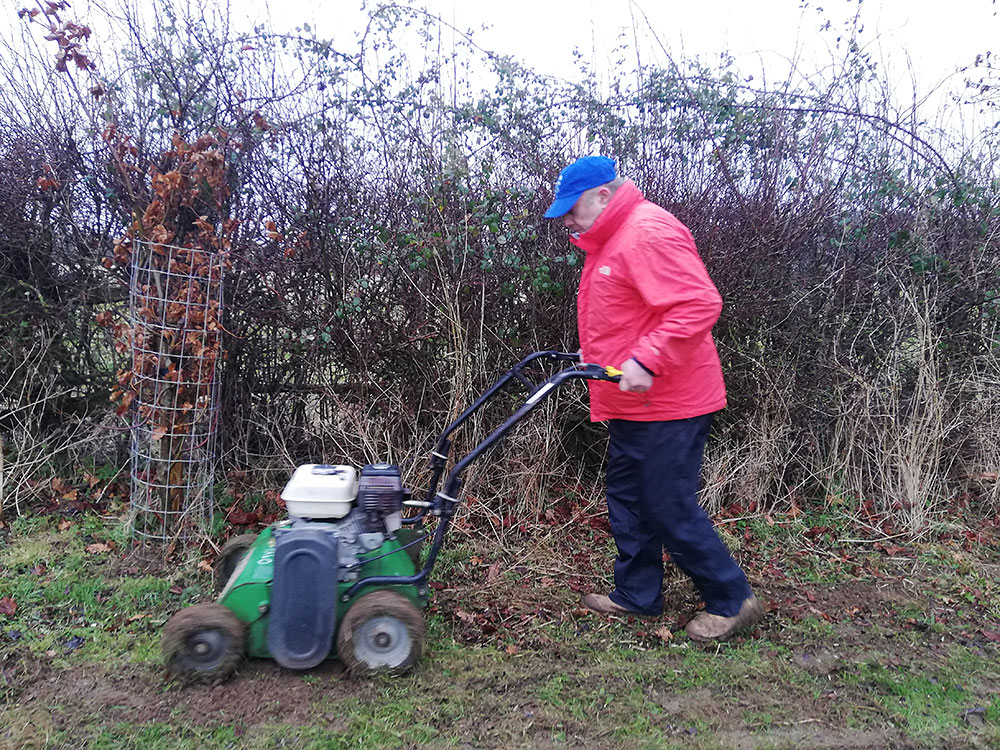
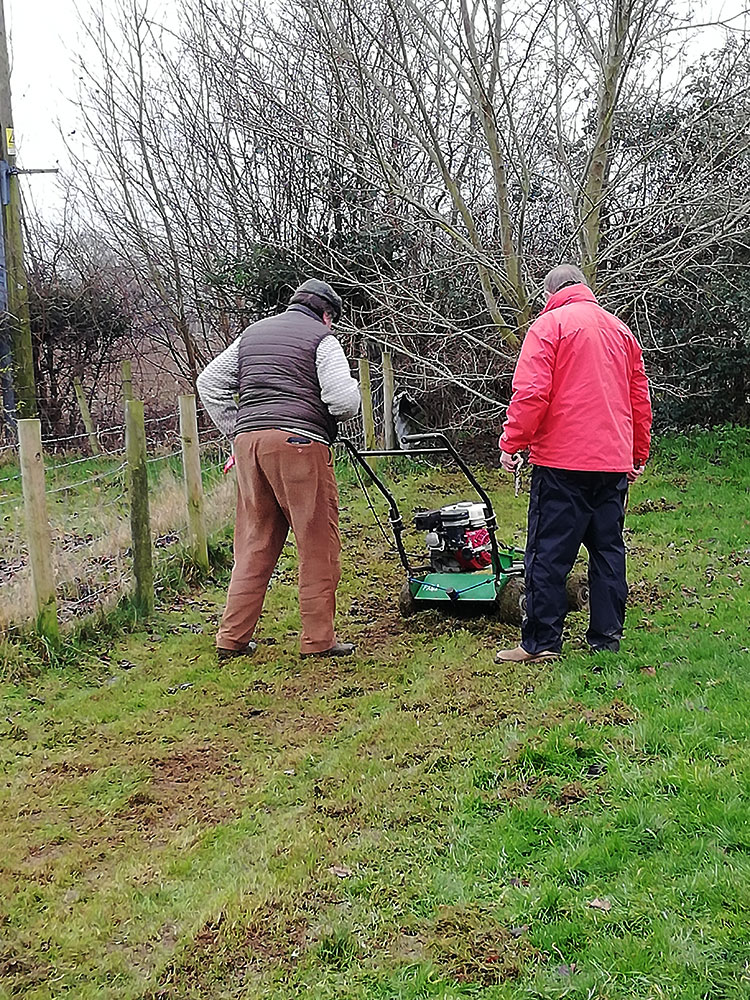
The seeds were sown in January 2022 by a group of local volunteers with support from Warwickshire Wildlife Trust. The verge is now managed as a traditional hay meadow, with an early cut at the start of the year, followed by a later cut once the wildflowers have grown and set seed. The number and variety of wildflower species continue to increase each year.

Ettington Cutting (North and South)
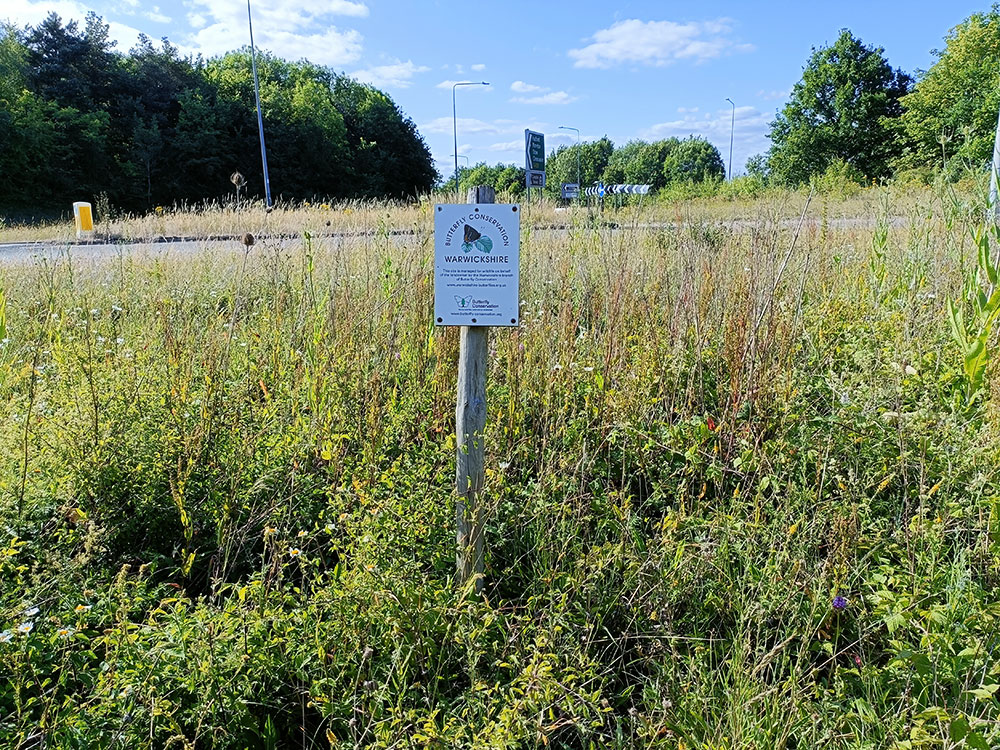
These road verges cover more than 50 hectares on both sides of the A429 near Ettington. They are managed by Warwickshire Butterfly Conservation in partnership with Warwickshire County Council’s Highways Department and Ecology Services.
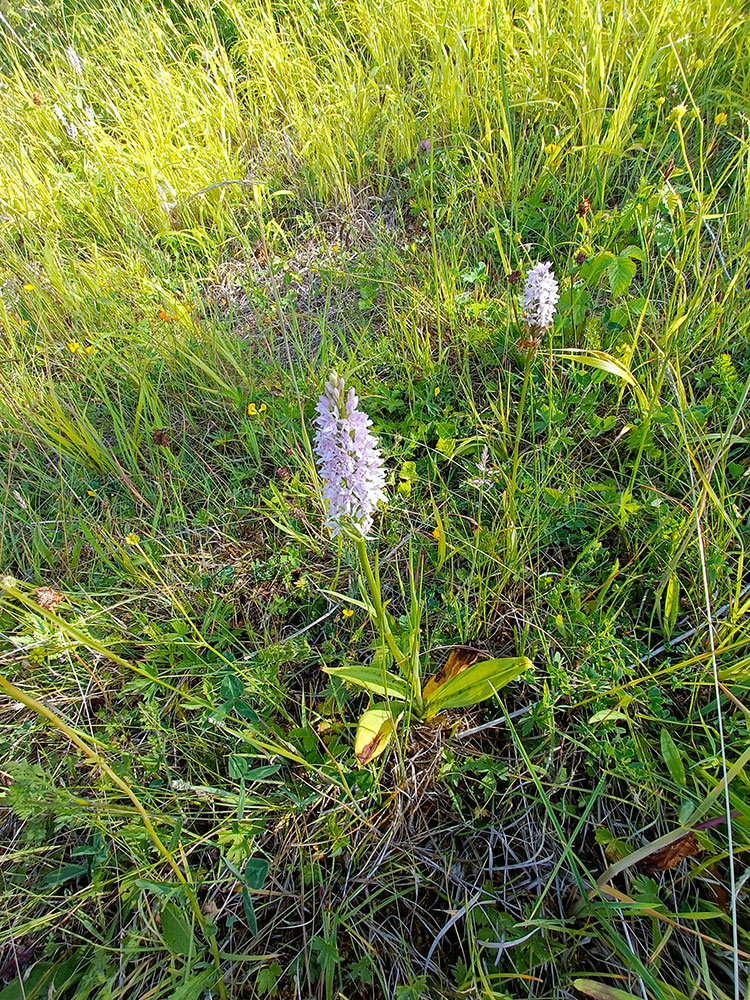
The verges support a rich and diverse flora, particularly notable for their orchids, and have been actively managed by Warwickshire Butterfly Conservation since 2016. The work carried out here is described in detail in the book ‘Butterfly Conservation – The Warwickshire Approach’ by Mike Slater and Keith Warmington.
In addition to their unusual plant species, the verges provide important habitat for a range of butterfly species, including Dingy and Grizzled Skippers, with White-letter Hairstreaks found on nearby English elms. Dark Green Fritillary, Chalkhill Blue and Small Blue butterflies have also been recorded at this site.
Resources & Guides for Verges
Members of SWAN are keen to support good verge management in their communities and have developed three documents:
| Title | Categories | Link |
|---|---|---|
| A Powerpoint presentation on verge management | Verges | |
| How to manage your verges for greater biodiversity | Verges | |
| Why we should manage grassland verges for wildlife | Verges |