River Stour Blessing Ceremony

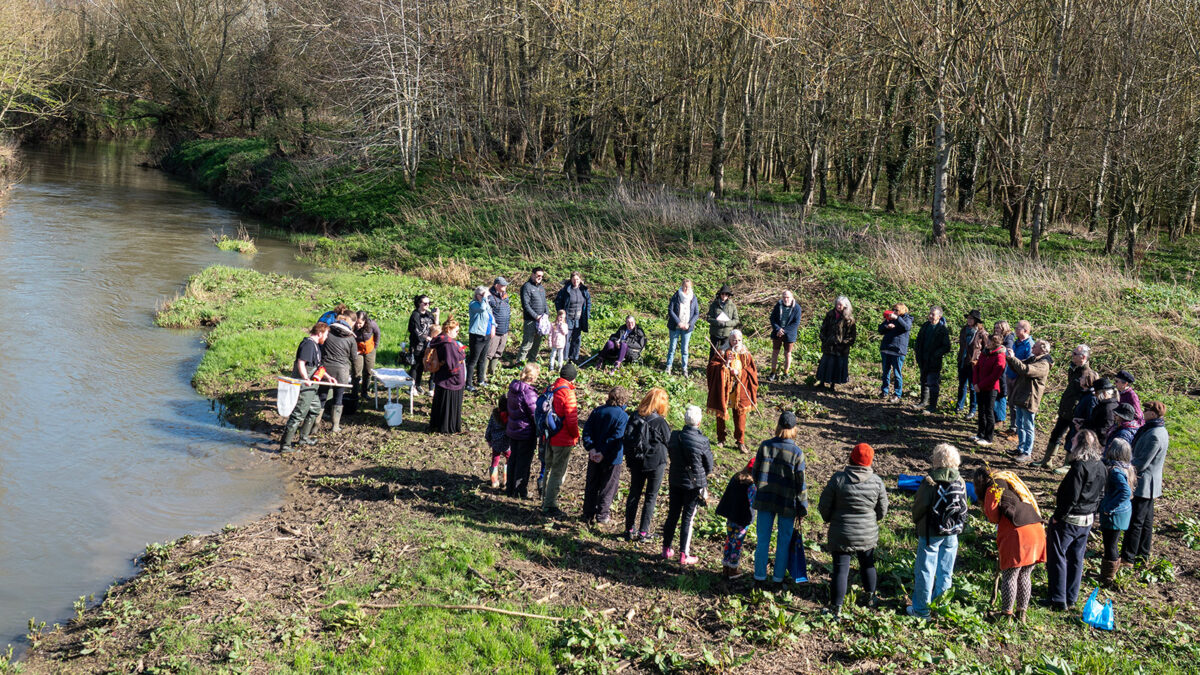
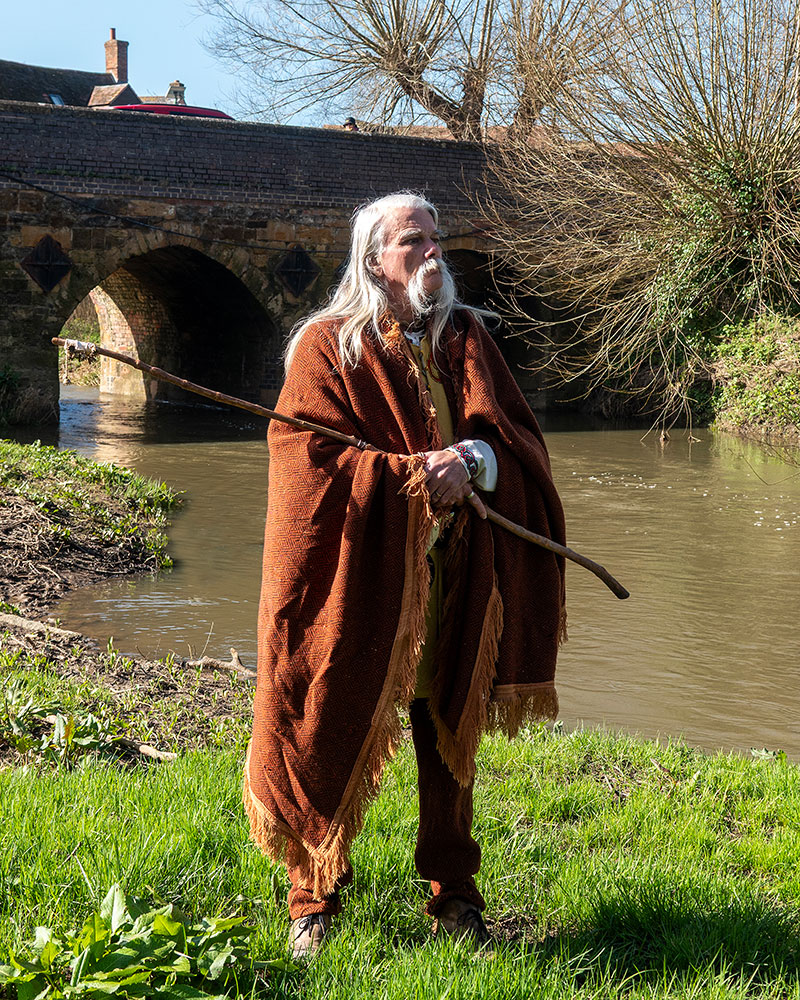
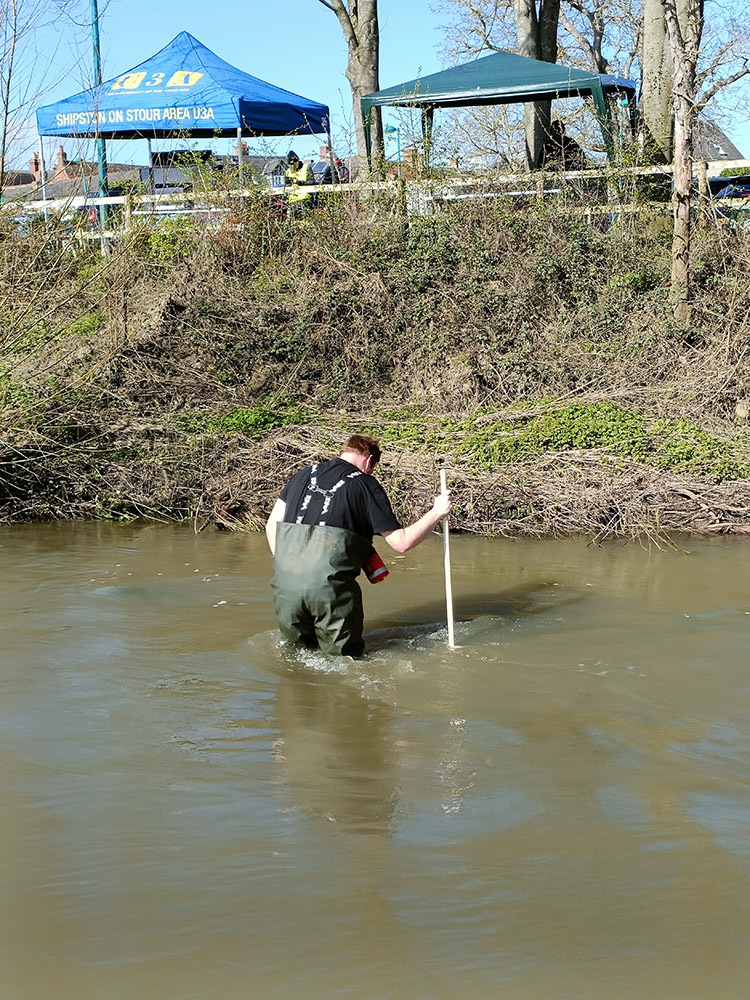
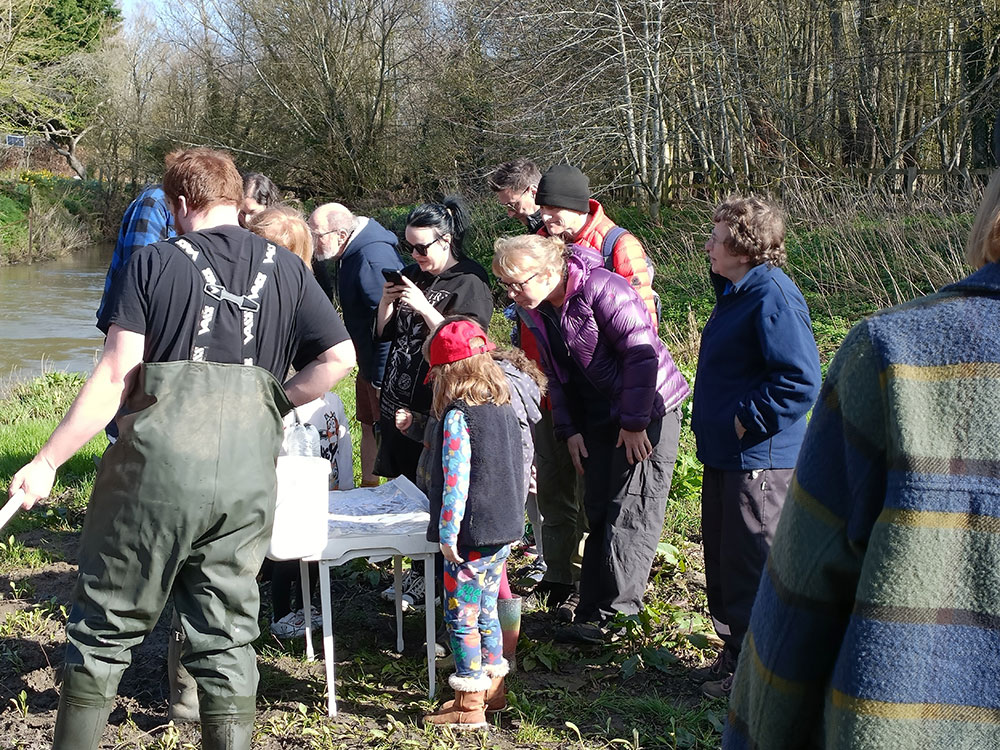
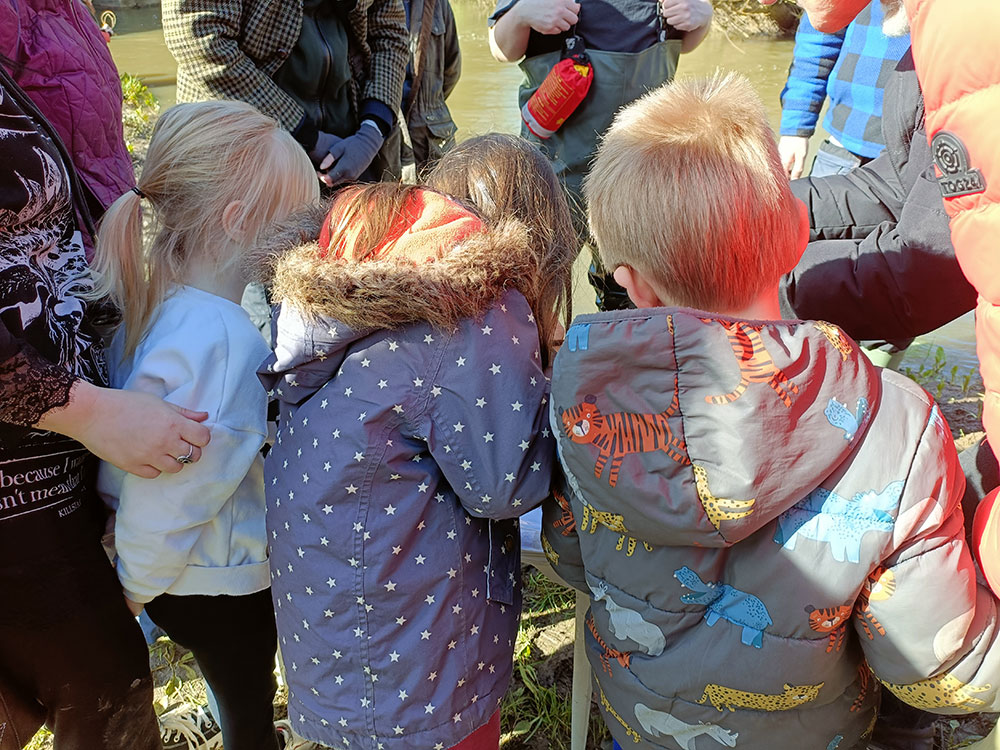
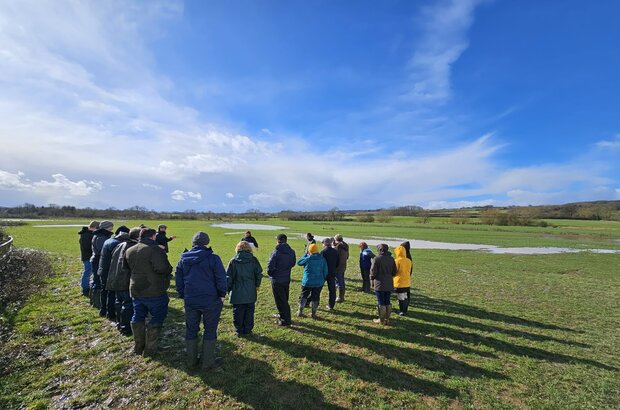
On Saturday 14th March, the Stourvale Action for the Environment group (SAFE) held an event to celebrate the 29th International Day of Action for Rivers Join us for the 29th International Day of Action for Rivers on March 14, 2026 – International Rivers.  This included a River Blessing Ceremony by local Druid, Martin Russell, and displays and activities to demonstrate:

Music was provided by ‘Misspent Ukes’, the local U3A ukulele band.

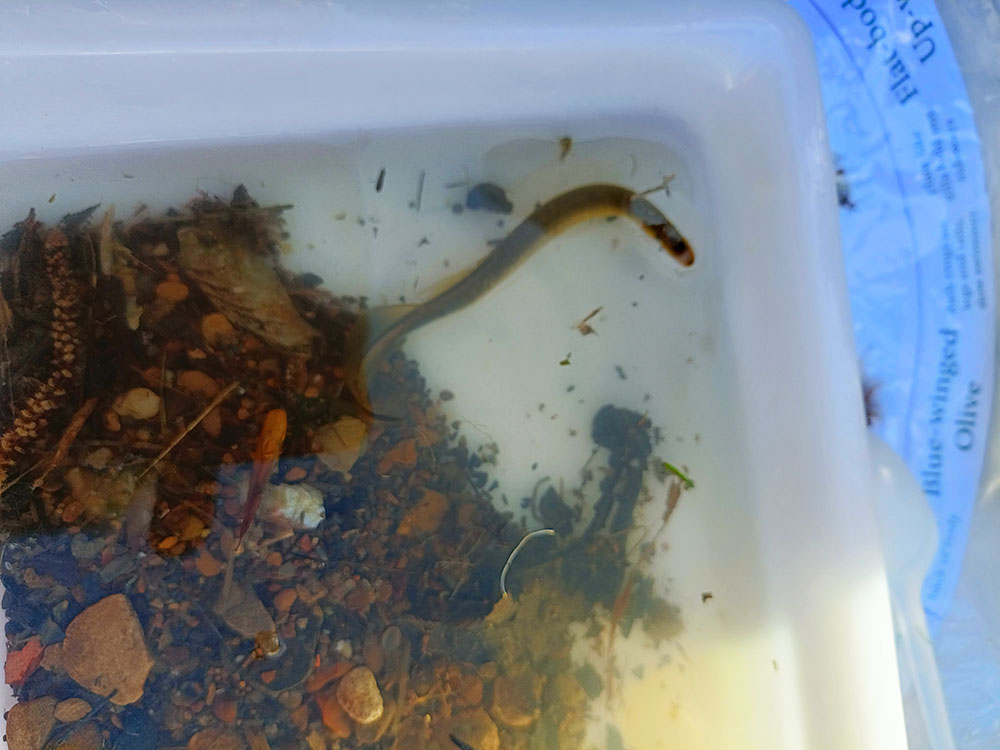
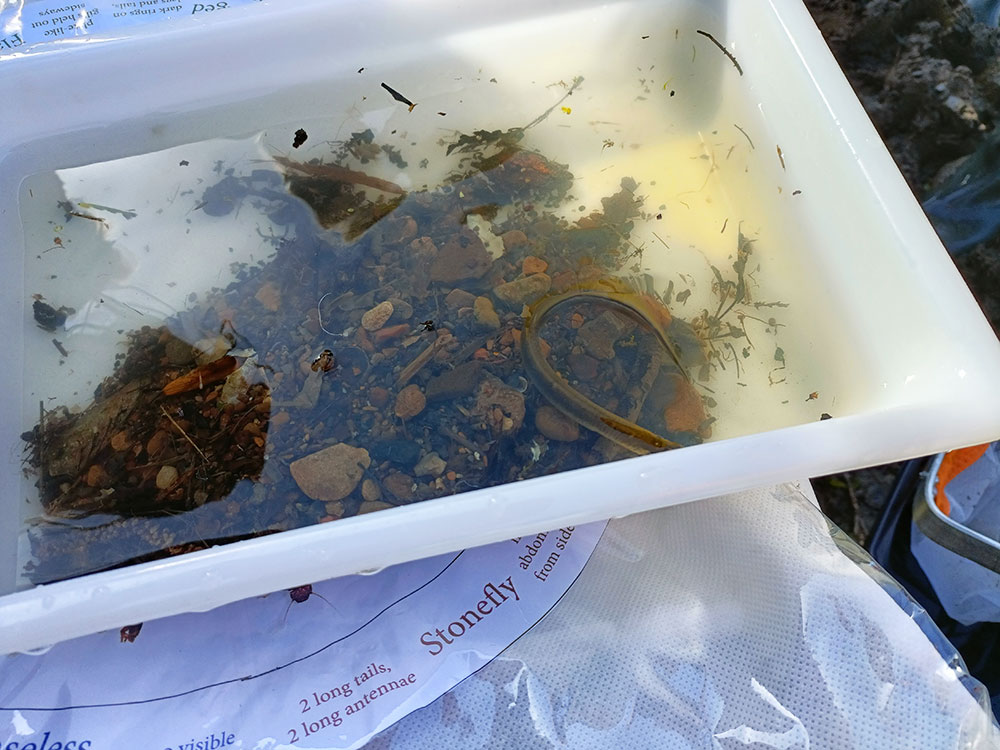
The event was blessed with sunshine and was well-attended.  The ‘find’ of the day was a Brook Lamprey, a primitive fish which is quite scarce in rivers these days and is a protected species.

This was one of a series of events that were part of the River Hope ‘Gathering’ The Gathering – River Hope.
Evenlode Landscape Recovery Project begins work on the ground

The Evenlode Landscape Recovery Project is ready to move from planning to delivery. 

This project is the first to be led by a farmer cluster. 

Managed by The North East Cotswold Farmer Cluster CIC (NECFC), the project comprises over 50 land managers and farmers, including tenant farmers. 

Together, they will start work on the ground across the 3,000-hectare project area. 

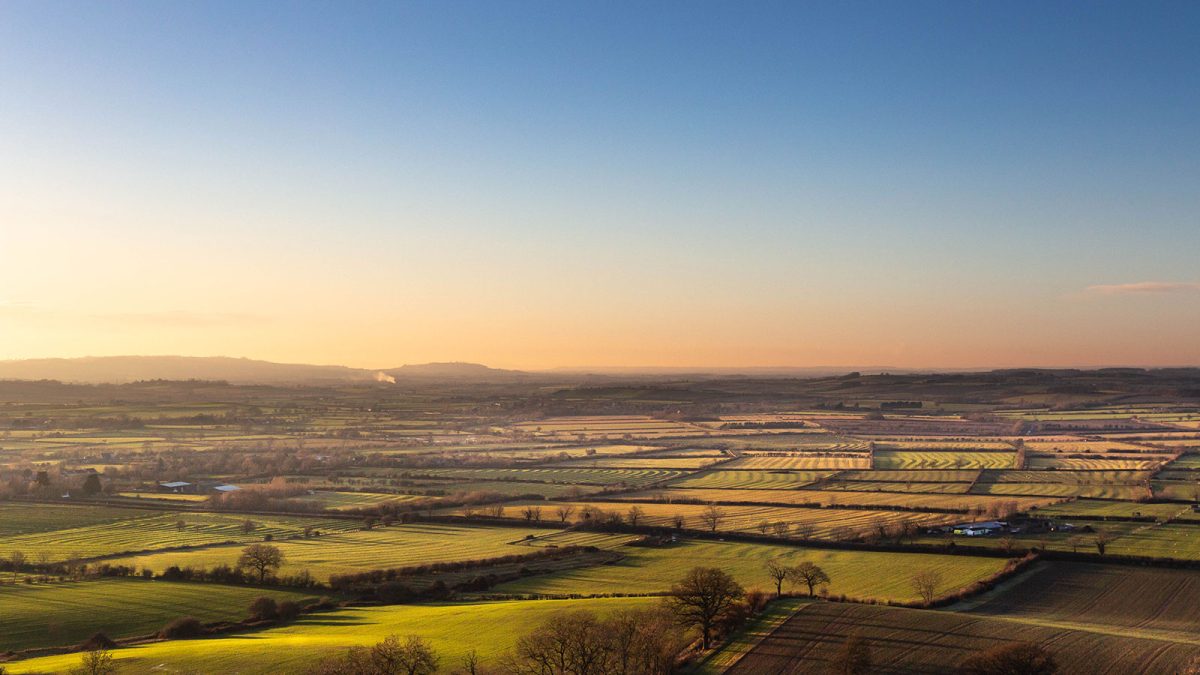
The wider catchment includes some of county’s finest landscapes. It spans parts of the Cotswolds National Landscape, the remnants of the ancient Royal Hunting Forest of Wychwood, and the Blenheim Palace World Heritage Site. It includes 16 river water bodies, including the River Evenlode and its major tributaries, the Glyme and the Dorn. 

Like so many parts of the country, the landscape is under increasing pressure from flooding, water quality decline, biodiversity loss and the challenge of sustaining long-term, productive food systems. 

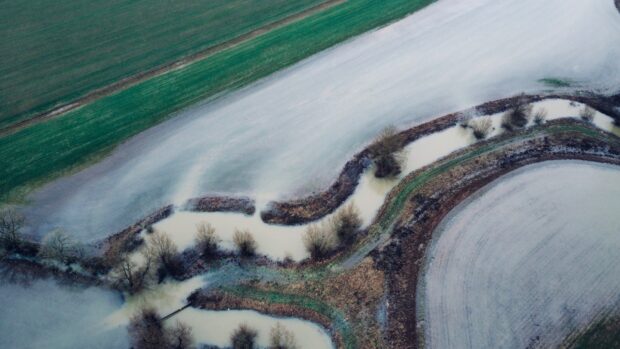
For example, around 19% of the area lies within a flood zone and floods frequently during heavy rainfall due to the catchment’s rapid (“flashy”) response. This puts multiple communities, farmland, rail and local roads at risk.

One of the farmers taking part in the project reported one field flooding nine times in the winter of 2023–24. 

The catchment supports a mosaic of habitats, including oak and ash woodland, limestone grasslands, lowland meadows and fen, creating conditions for a wide range of wildlife. 

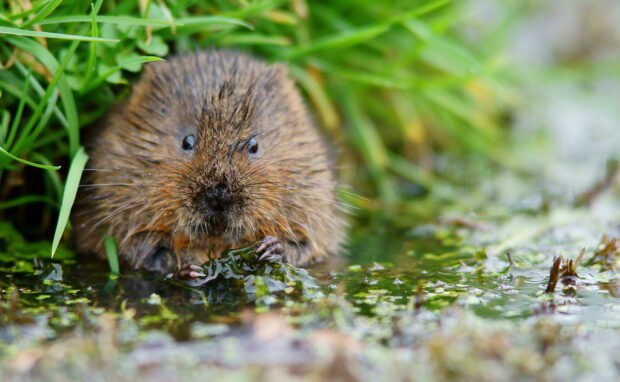
The priority species identified for targeted conservation action because they are rare, declining or threatened, include remnant populations of the endangered native crayfish and water voles, alongside rare plants such as fen violet and downy woundwort. 

Once common along rivers and streams, water voles have declined sharply in recent decades due to habitat loss and the predatory American Mink.They are found along rivers, streams and ditches and can be mistaken for brown rats. Water voles are legally protected in the UK under the Wildlife and Countryside Act 1981, are a Priority Species under the UK Post-2010 Biodiversity Framework and are listed as endangered on both the Great Britain and England Red Lists for mammals.