
Initiatives
Curlew Recovery Project
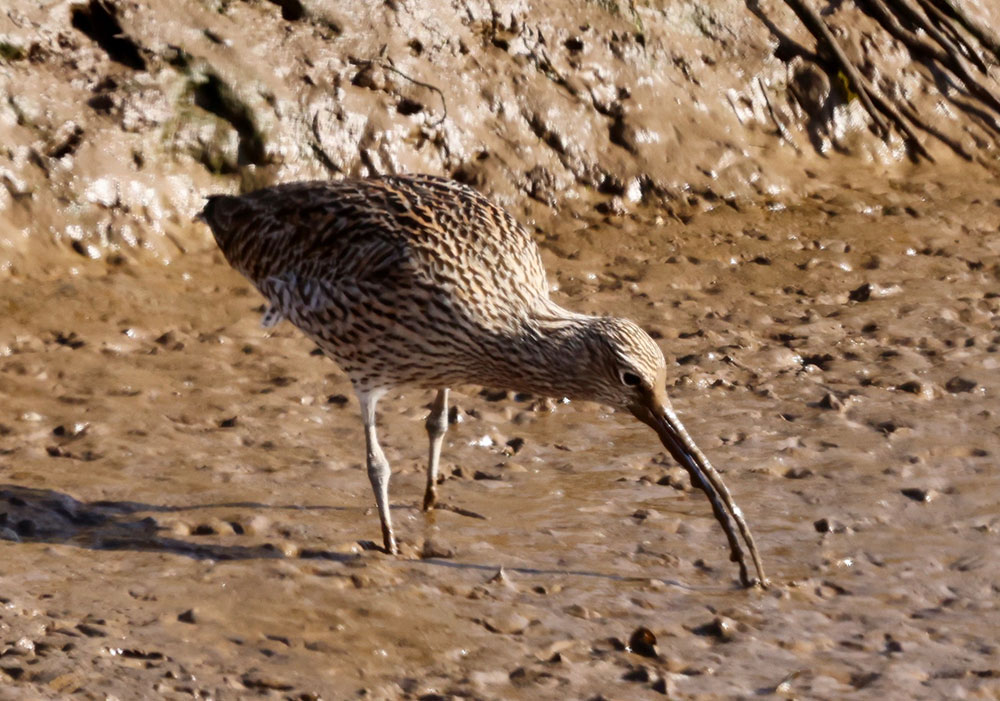
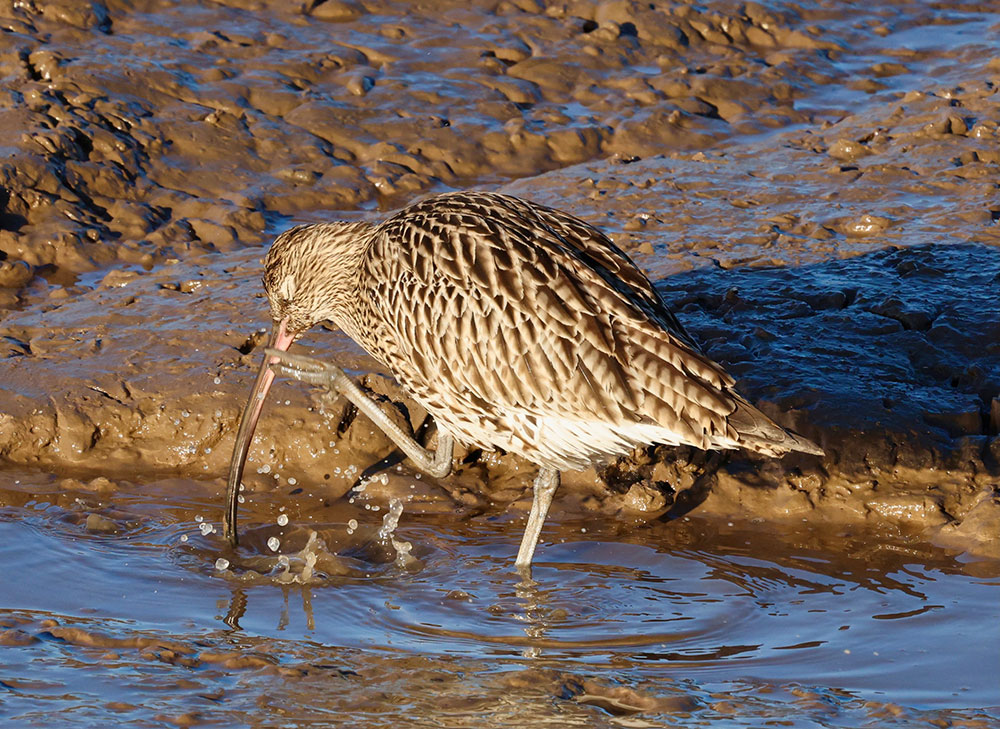
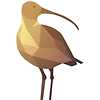
Curlews are large ground-nesting birds with a distinctive call, loved by many. Across the UK, the population has halved in the past 25 years and they are now a ‘Red List’ species, meaning they are at urgent risk of extinction. This has largely been driven by loss of wetland and meadow habitat, intensive agricultural practices and predation from animals such as foxes and crows.
As recently as 2004 there were still 25 pairs in Warwickshire but this year only five pairs were found – all in south Warwickshire and at two sites. Ornithologists fear that, without urgent intervention, the wading bird and its distinctive call will become locally extinct. Volunteers are taking part in work to monitor and support the Warwickshire Curlews, led by Banbury Ornithological Society. This activity is part of a larger recovery project for curlews covering Oxfordshire and parts of Buckinghamshire as well as south Warwickshire. Curlews are one of 17 priority species for Warwickshire identified by the Warwickshire Local Nature Recovery Strategy.
In 2021, curlew recovery groups around the country joined together to form the national Curlew Recovery Partnership (CRP).
Success Stories
The voluntary work Banbury Ornithological Society and partners are doing in erecting fences around curlew nests to reduce predation does significantly increase hatching success and is an internationally proven conservation method. Several clutches have hatched in recent years at both sites in South Warwickshire, as well as the wider region. The challenge now is to create better habitat for the chicks to hide from the predators and survive until fledging.
Resources & Guides for Curlews


| Title | Categories | Link |
|---|
Contact us to get involved
Ready to make a difference for wildlife in South Warwickshire? Whether you have five minutes or five hours to spare, there’s a place for you in our growing community. Contact us if you would like to get involved.
Banbury Ornithological Society:
View contact details on the Banbury Ornithological Society website