Groups
Harbury Swift Village Project
Harbury Swift Village Project was initiated in 2022 to help the long-term recovery of the swift population in Harbury.
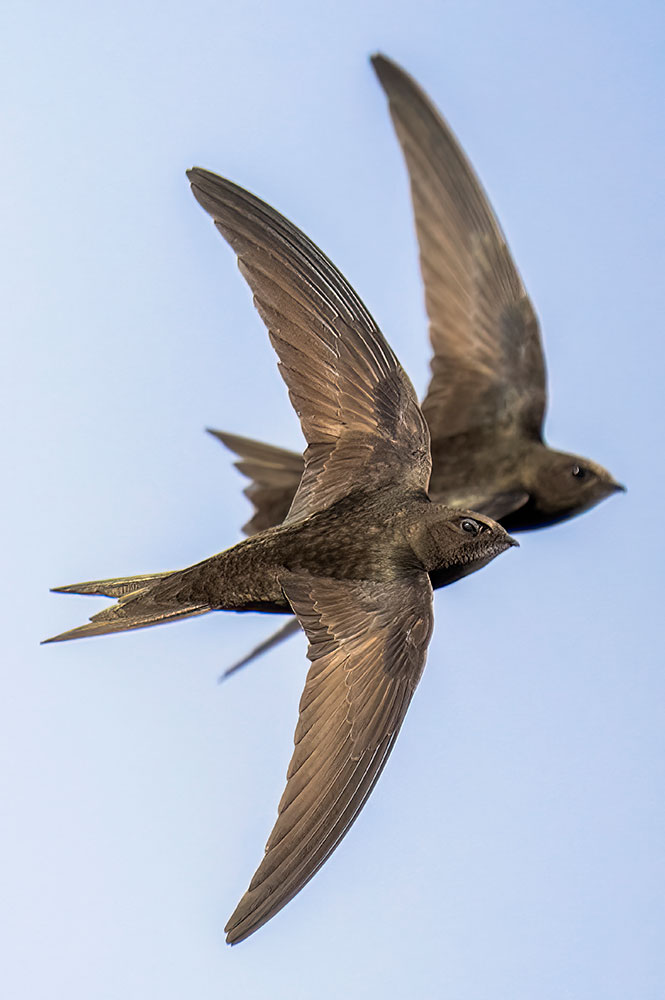
In the UK, swifts have declined in number by 60% over the last twenty-five years. Swifts were once very common in Harbury and their shrill calls, swooping flight and scythe-shaped silhouettes are familiar to many Harbury residents. Swifts visit from Africa for just three months of the spring and summer. They arrive here in May to nest and breed, migrating back to Africa at the end of July or early August, a return journey of 6000 miles. Swifts were once to be seen flying low in very large parties through the village, but as in the rest of the UK, there has been a massive decline in their numbers.
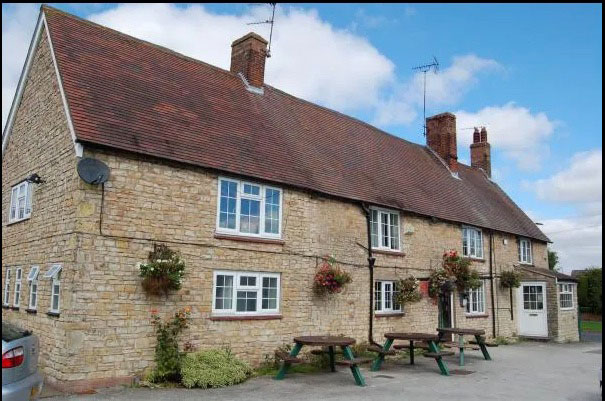
Swifts are very faithful to their nest sites, returning to the same place year after year, to nest alongside other swifts, in colonies. One of the causes of their decline in number is the loss of their traditional nest sites, due to renovation or demolition of older buildings, while new buildings typically do not provide nesting opportunities for swifts. For decades, every year swifts have faithfully returned to nest under the eaves of many properties in Harbury; with several pairs nesting at the Old New Inn and in buildings on Bush Heath Lane and Mill Street, among other places. Renovation work at the Old New Inn (and subsequent loss of the swift colony there) was the inspiration for this project to make Harbury one of a growing number Swift Villages in the UK. A Swift Village is a community made up of several groups of neighbouring houses, all with swift boxes, with the shared goal of supporting swift colonies.
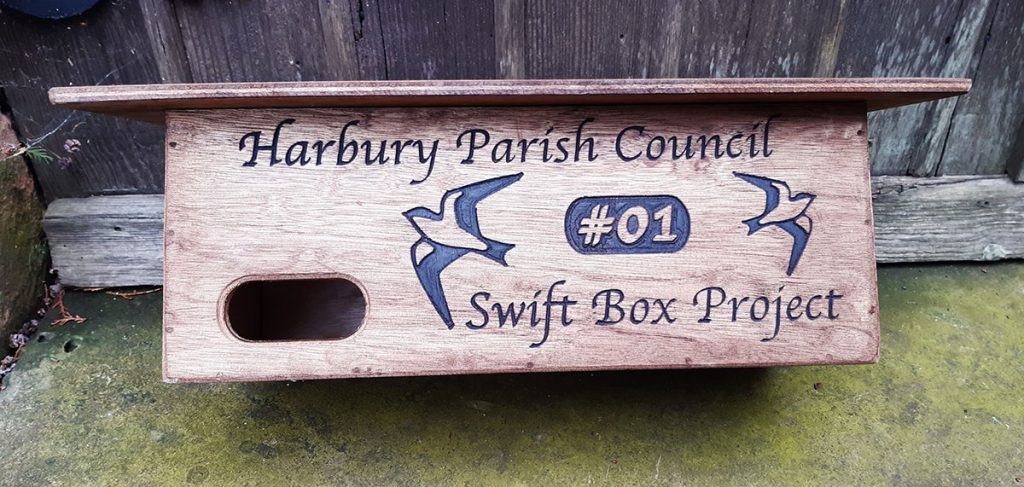
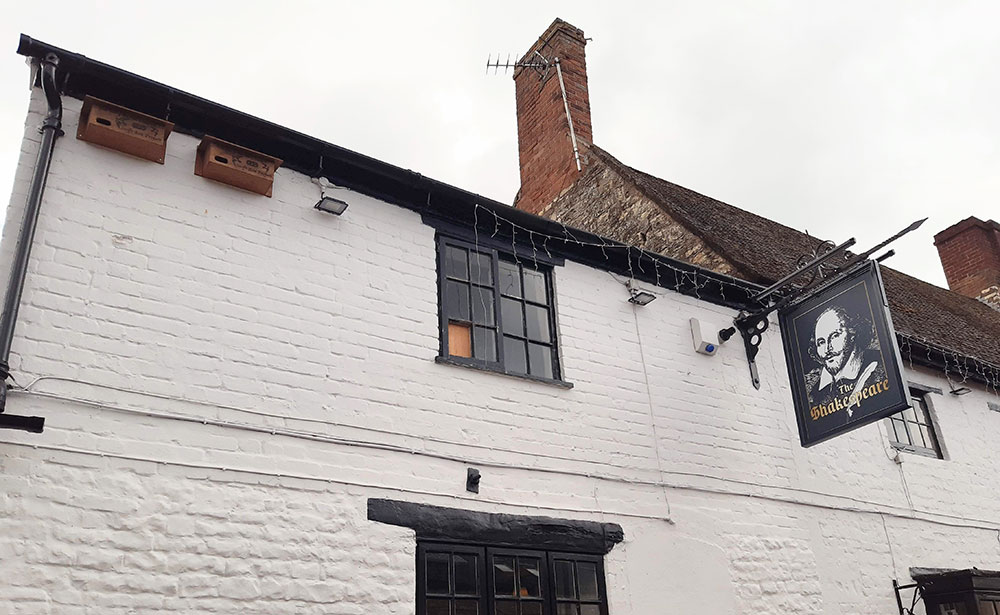
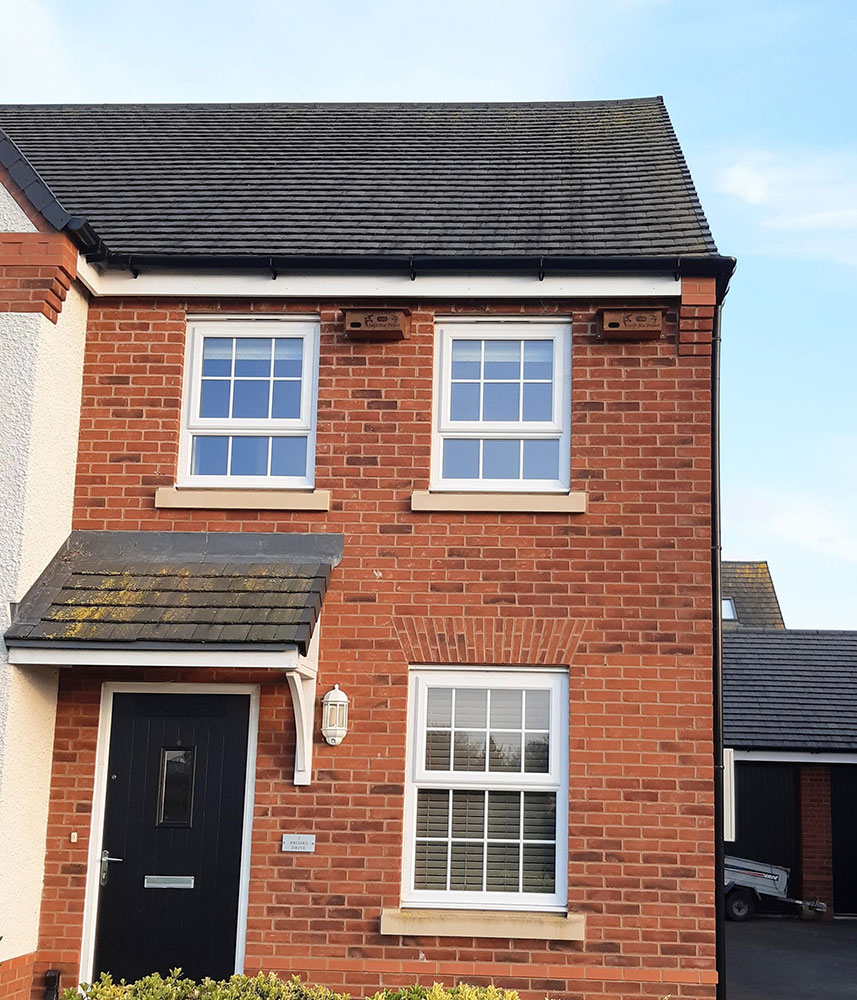
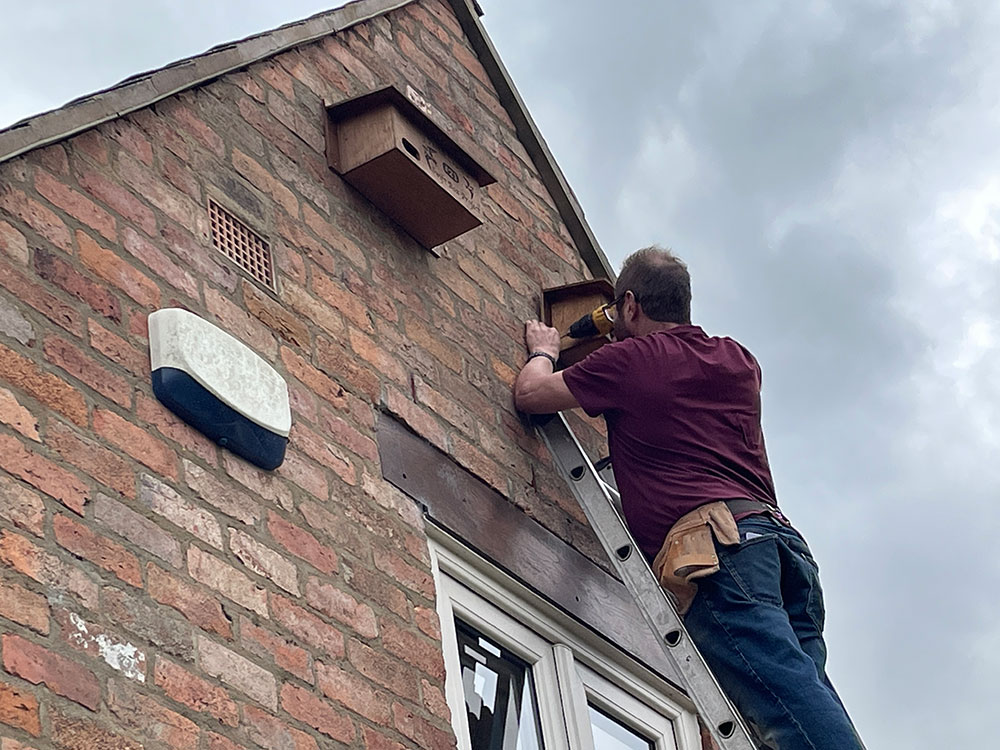
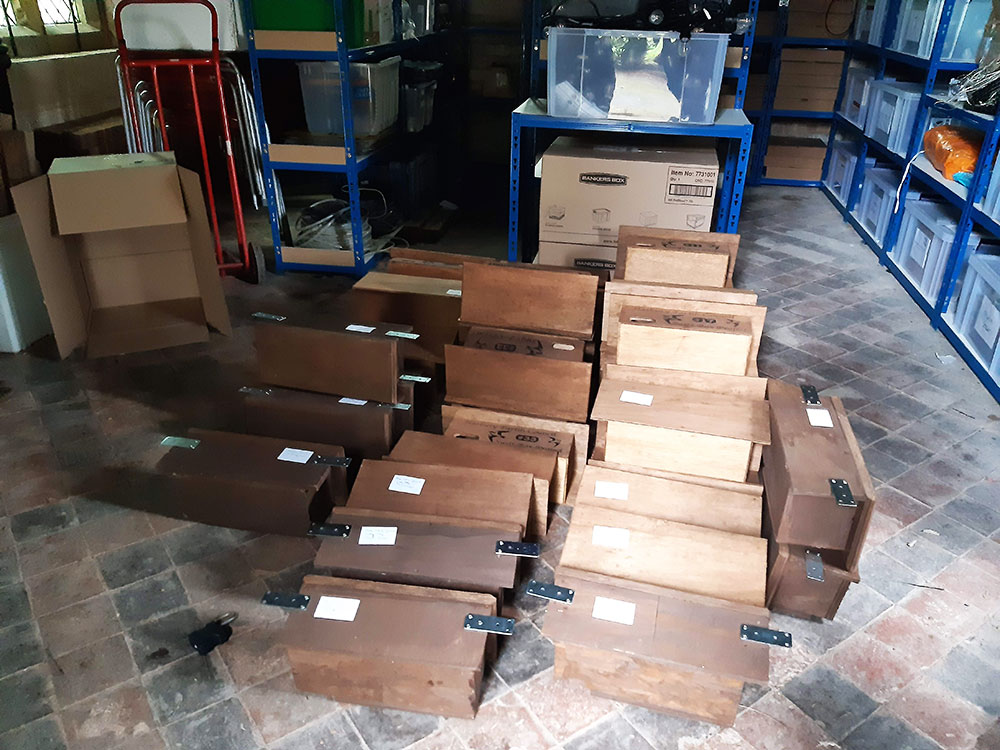
In 2022, Harbury Parish Council enthusiastically agreed to give practical aid for swift conservation through generous funding to provide and install nest boxes throughout the village. Initially, the Parish Council Clerk contacted the Bishop’s Itchington Men’s Shed, and in September, with a donation from the Parish Council, the members of this organisation presented Harbury with ten swift nest boxes. Swifts are gregarious and live in colonies rather than as individual pairs, so it was important to provide groups of boxes, either on a single property, or on several adjacent properties. Harbury Parish Council agreed to fund a further 30 boxes, to be made and inscribed by local carpenter Craig Knowles, of Phoenix Craft Creations.
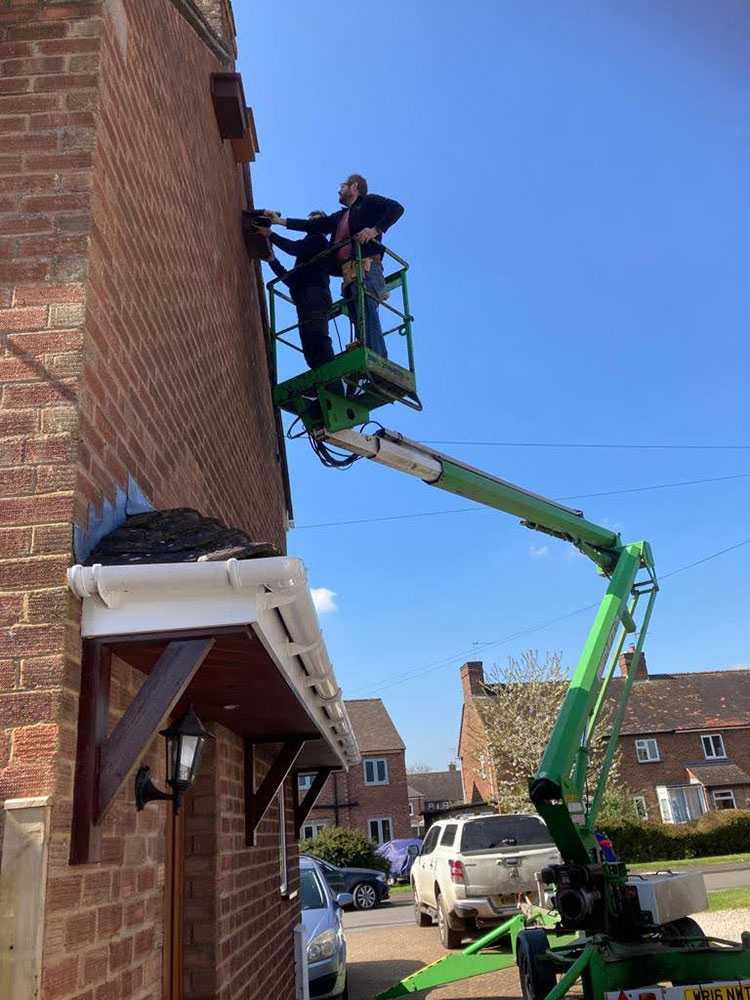
This community initiative captured the imagination of people throughout the village, with many offering their properties to give swifts a home, as well as purchasing additional boxes to help build a colony in their neighbourhood, bringing the total number of boxes in the village to over sixty. Data from the RSPB’s Swiftmapper website and local knowledge of past swift nest sites, helped inform the best places to site the boxes. The swift nesting boxes were installed in March 2023 on a variety of properties in the village, ready for the arrival of the swifts in May.
Swifts are not mature enough to breed until they are three or four years old. Breeding adult swifts will return to the same nest site, year after year. It will be the first-time breeders that will be looking for a home. Although a nest box may attract a new pair of swifts to breed should they discover it, swifts can be slow to take up residence. The chances are greatly increased if swift calls are played, quietly in the early morning and late evening, at or near the nest box, mimicking the sound of a colony. Some generous donations provided sufficient funds to initially purchase five swift call attraction systems plus timer switches. In summer 2025, these were strategically sited alongside some of the Harbury Parish Council swift nest boxes around the village, with the aim of encouraging newly mature birds to come and investigate the boxes and make their nests here. Where swift callers were installed alongside the swift nest boxes, juvenile swifts were observed on a number of occasions, investigating those particular boxes. A further generous donation from Harbury WI has enabled the purchase of an additional five swift attraction callers for the 2026 breeding season.
Recent Projects & Initiatives
Harbury Swift Survey
A team of volunteers surveyed Harbury’s swifts during the 2025 breeding season. At least eighteen natural swift nests were located in crevices and holes in buildings around Harbury. We hope that the juveniles that were prospecting the boxes in the previous summer will return to take up residence in 2026. By installing further swift call attraction systems next to additional nest boxes, it is hoped that the level of ‘swift interest’ in the boxes will further increase in 2026.
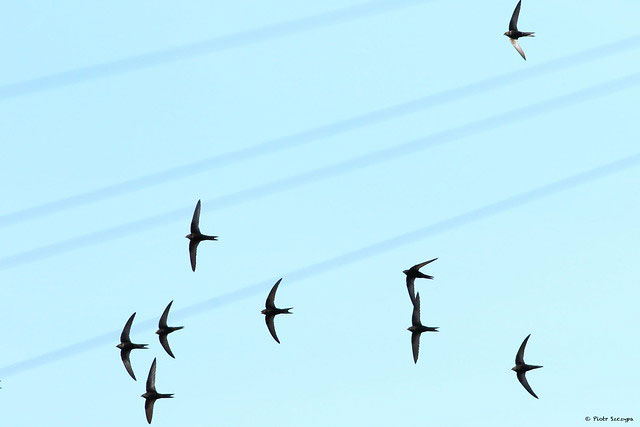
Image: Swifts in flight by Piotr Szczypa
#Team Wilder
According to the Warwickshire Wildlife Trust, Team Wilder is “a growing movement of people who notice and celebrate nature in their day-to-day lives, taking the global problem of biodiversity loss down to a super-local level, helping to bring about nature’s recovery in their local area.” Supported by local Wildlife Trusts, collectively, these small actions make a big difference.
Harbury’s Swift Village Project has inspired people in other nearby villages in Warwickshire, including Lighthorne, Upper Lighthorne, Moreton Morrell, Napton and Leek Wootton to start their own swift initiatives.
Image: A pair of swifts in flight by Robert Booth
The Future in Harbury
This is a long-term project for Harbury: we very much hope that over the next few years, newly adult swifts will select some of our boxes to nest in. Our aim is to ensure that the joyful calls of swifts are heard by future generations over our Warwickshire villages.
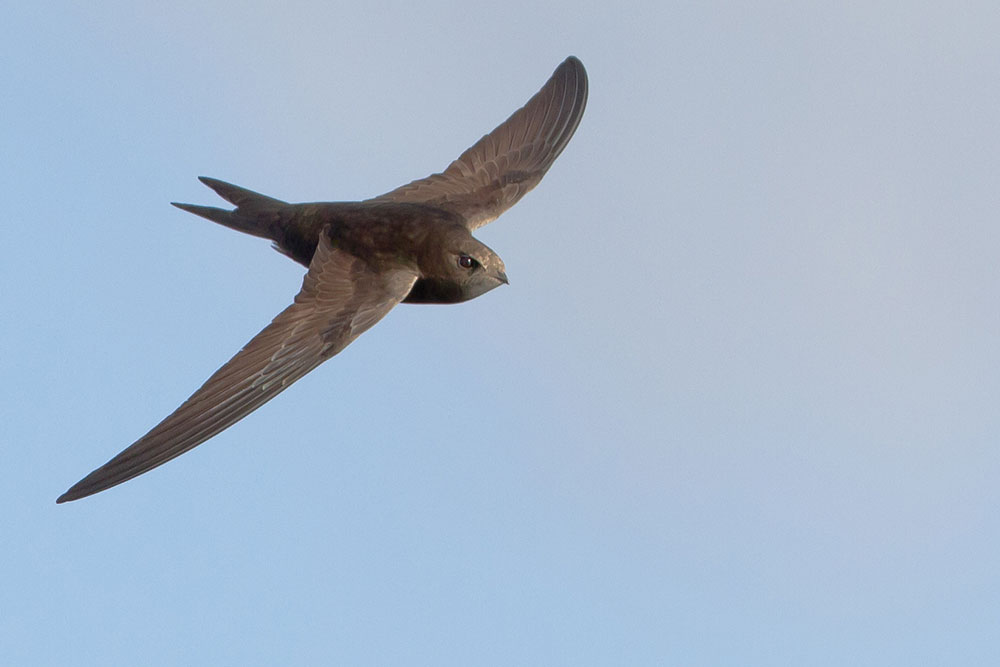
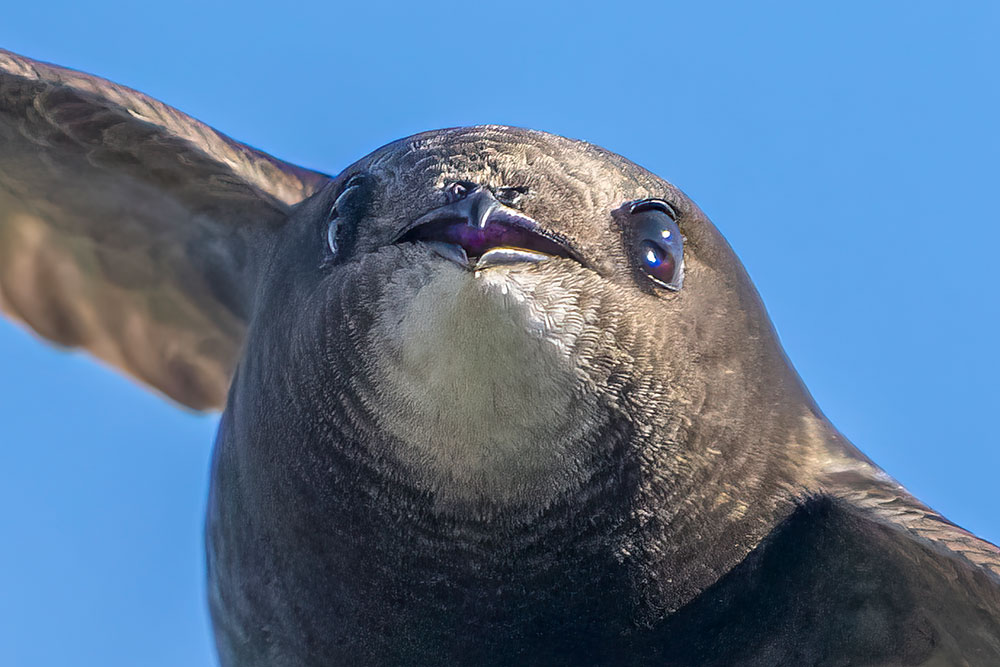
Image: Swift in flight by Roger Wyatt
How you can help
- Check the Action for Swifts website to see if there is already a group near where you live. If not, then you can help your swifts locally by forming your own swift group.
- You can help swell your local swift colonies by putting up swift nest boxes, or by installing soffit boxes or swift bricks. There are many different types of swift nest boxes available, but the most important thing to remember is that a pair of swifts will use the same box for their entire breeding lives, so the box needs to be made from durable materials.
- If you are replacing your soffits, consider including some soffit swift boxes (see information on the Action for Swifts website). These are an ideal solution for swifts and very discreet. Swifts will readily nest in soffit boxes as it’s their natural instinct to fly up into the entrance hole at that angle.
- Swift bricks are an even better option for swifts as the birds can live up to 20 years and are faithful to the same nest site. Swift bricks will last longer than wooden boxes, and can be retro-fitted. They are also more natural for swifts as they mimic the type of hole that swifts would have used in the past.
- A swift nest itself is very modest, just a few feathers, and the birds don’t cause any damage to property and leave minimal mess. Nest boxes should included a nest cup to keep the eggs contained and stop them falling out of the nest.
- You can also garden for swifts: swifts only eat insects and need plenty of insect food to raise their chicks and to help them fatten up before they migrate back to Africa later in the summer. Grow insect attracting plants and install a pond. Swifts love to eat mosquitoes!
Contact us
Ready to make a difference for wildlife in South Warwickshire? Whether you have five minutes or five hours to spare, there’s a place for you in our growing community.
Contact us if you would like to get involved.
Resources & Guides for Swifts





| Title | Categories | Link |
|---|
Upcoming Events