Initiatives
Monitoring our Barn Owls
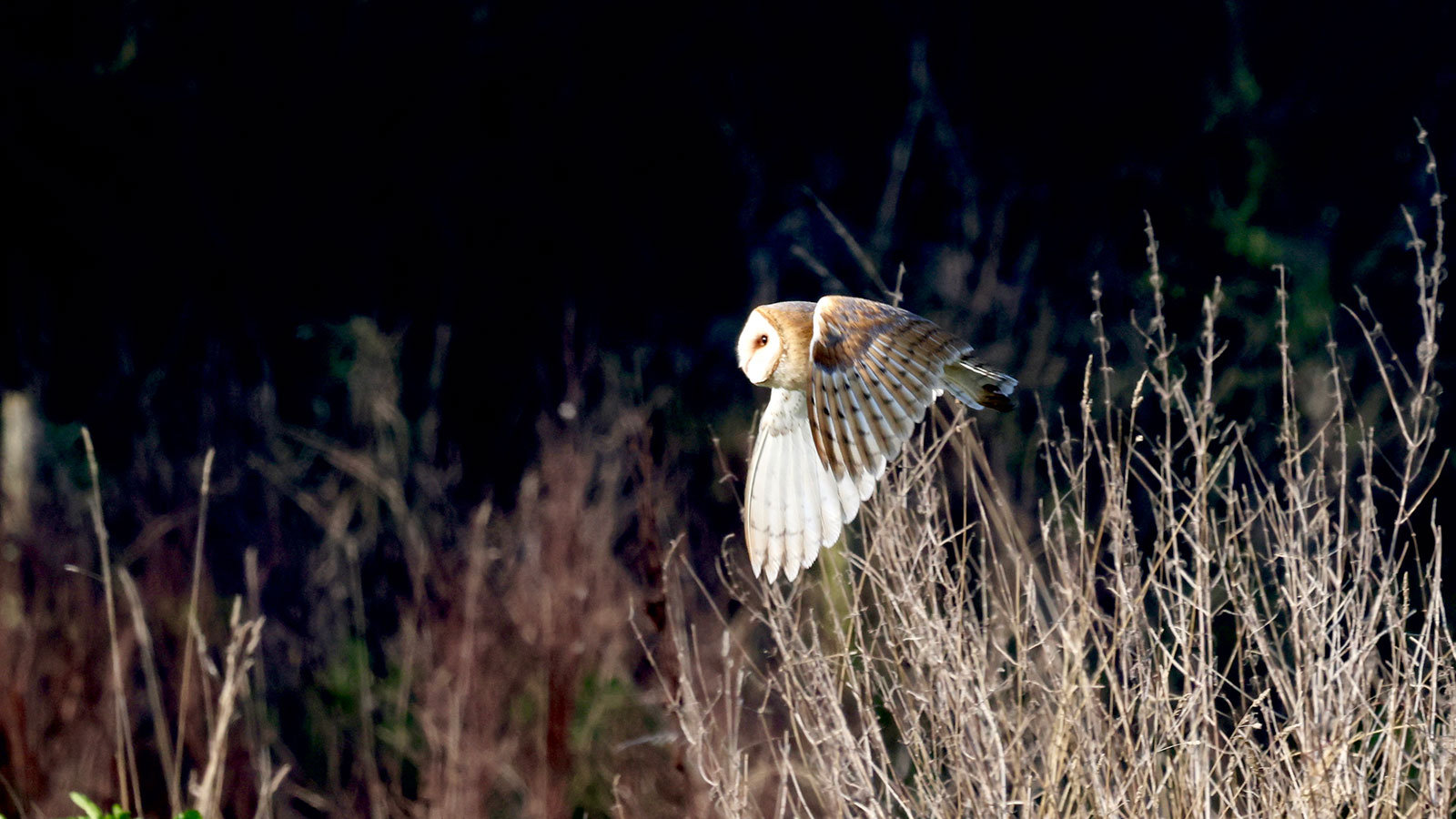
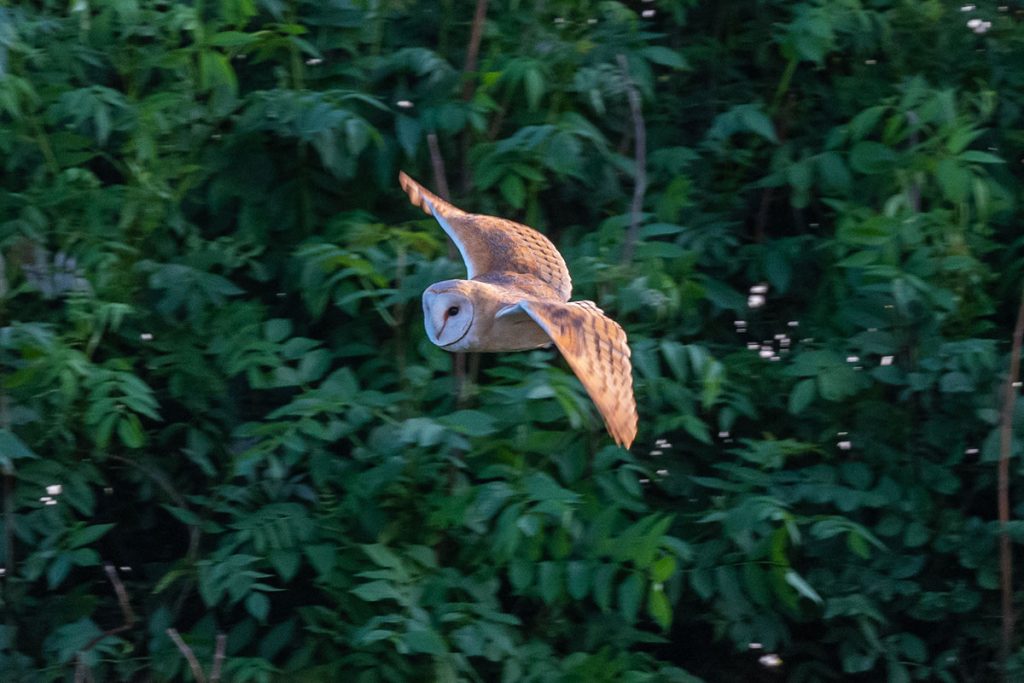
Barn owls are widely distributed across Britain but it is difficult to monitor nocturnal species and so their total numbers are unknown. However, a variety of wildlife groups send information to the Barn Owl Trust, who collate an annual report on the ‘State of the UK Barn Owl Population’. A wildlife group based on the Stour Valley contribute to this report.
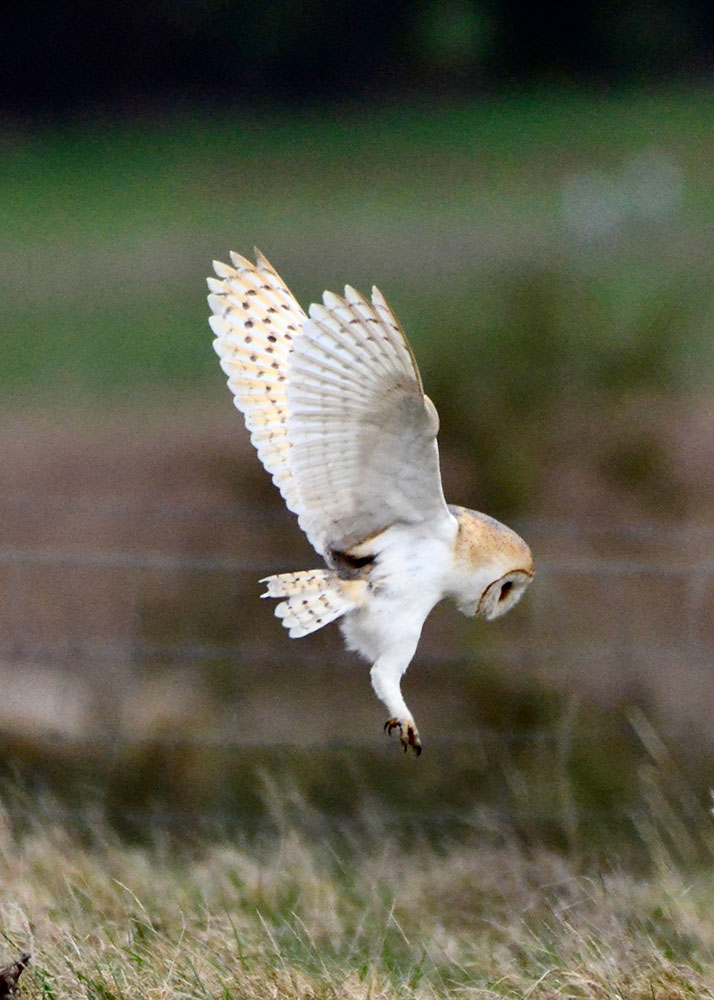
Barn owls feed on small mammals and particularly field voles, common shrews and wood mice. In Britain, permanent rough grassland is the best habitat for owls to hunt across and we have some good examples in South Warwickshire.
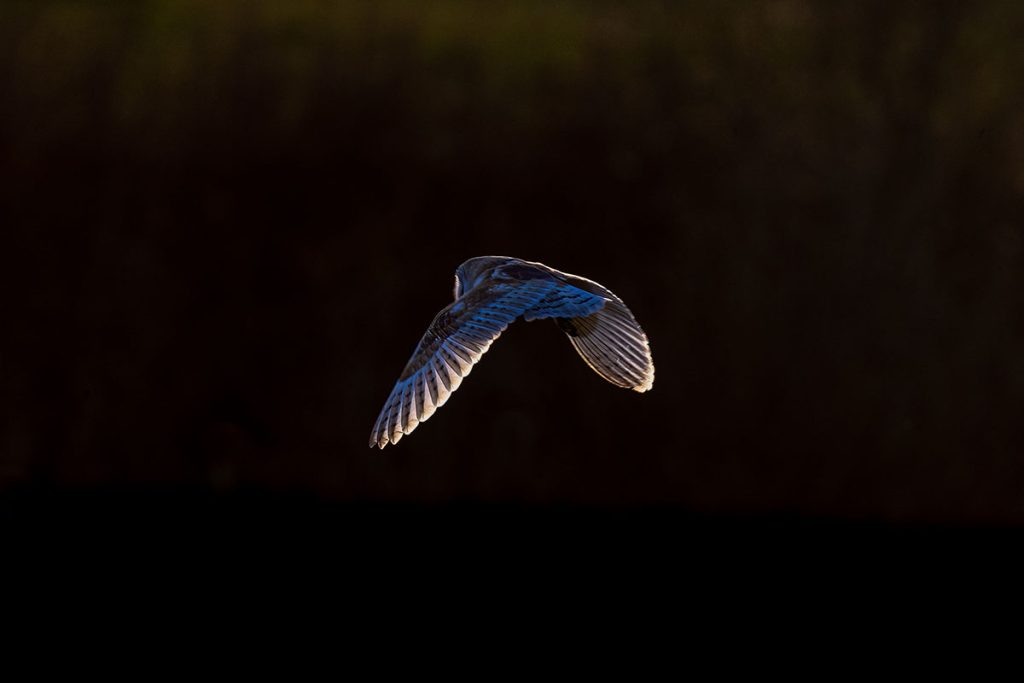
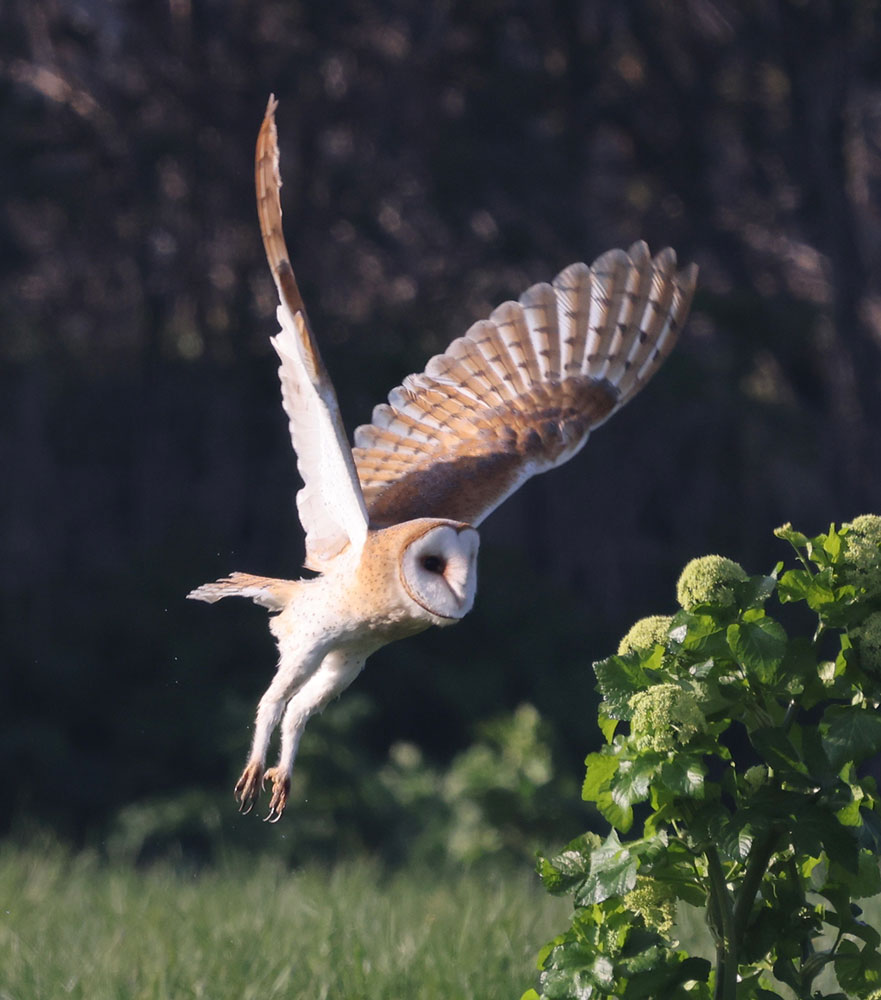
A barn owl’s ‘home range’ is never circular and generally overlaps with the ranges of its mate and of other owls. It can be as large as 5,000 hectares in winter but, when food is more abundant in summer, the range will shrink to less than a tenth of that size. Barn Owls develop a very detailed ‘mind map’ of their home range and can remember the best hunting sites, 1-3 main roost sites and their nest site (possibly two). They use vision to help them navigate, but they hunt their prey purely on the basis of sound. They are well-known for their almost-silent flight.
The undoubted decline in Barn Owl numbers over the last decades is related to a decrease in the abundance of prey, due mainly to changes in farming practices. The loss of old barns and road deaths have also had an impact. Increased provision of rough grassland and artificial nesting sites can help to increase barn owl numbers.
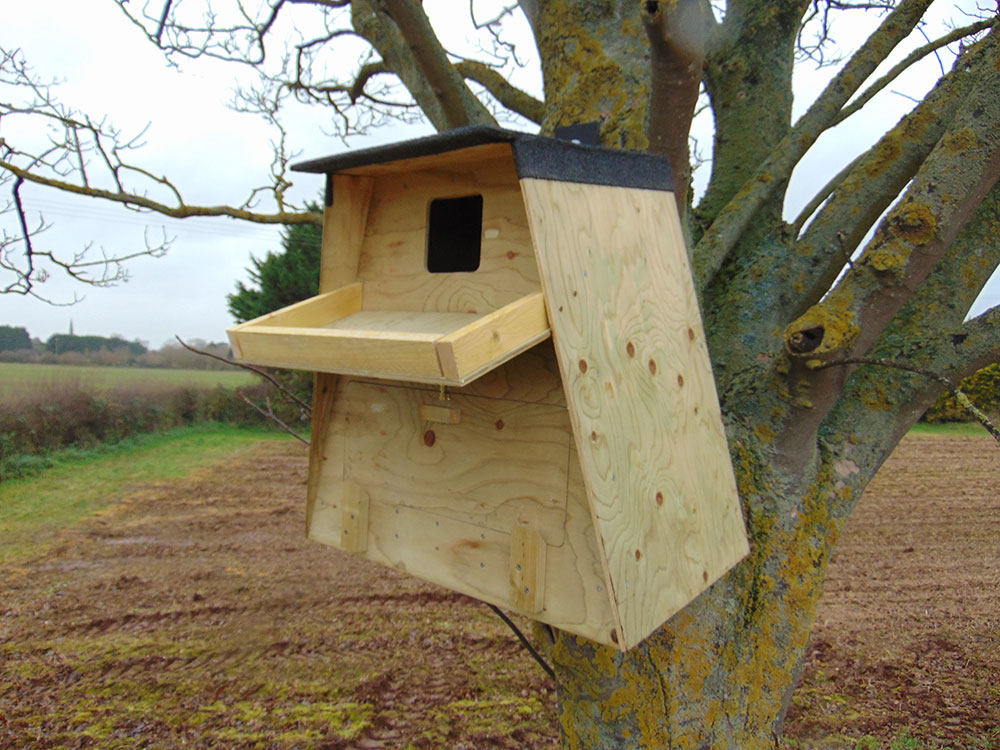
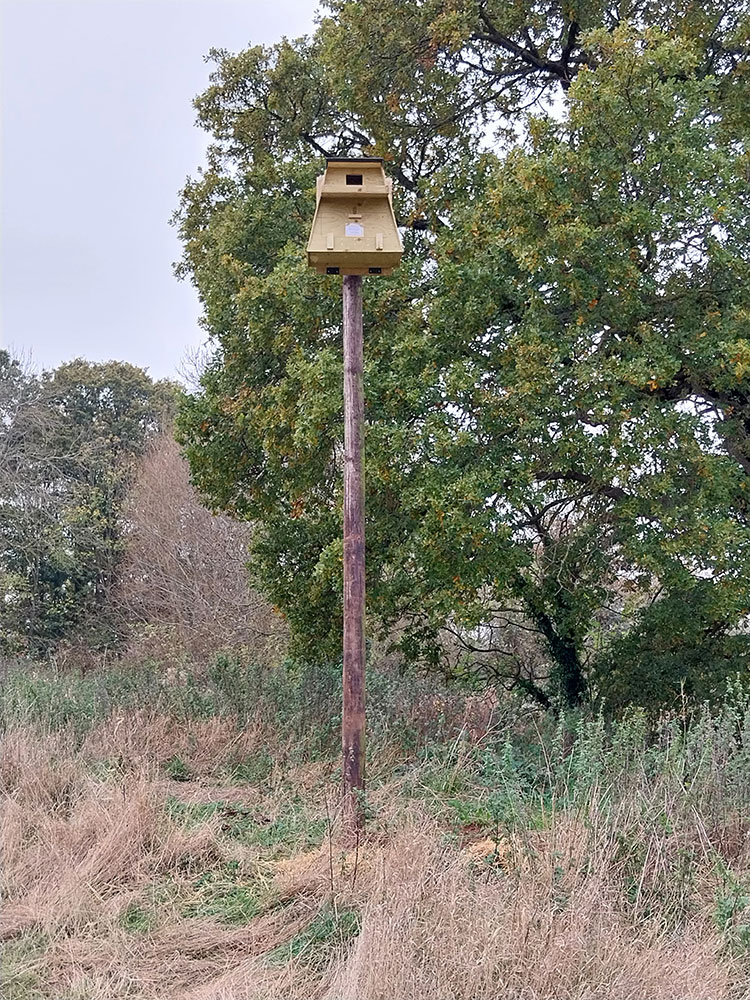
The Stour Valley Barn Owl Group have helped to erect, and now monitor, a good number of Barn Owl boxes in the area. They contributed to this report: State of the UK Barn Owl population – 2024. You can record your Barn Owl sightings with the Barn Owl Trust here: https://www.barnowlsurvey.org.uk/.