
Initiatives
SWAN Book Notes
This SWAN page is about the power of reading to bring people closer to nature, in our increasingly virtual, disconnected, doom-scrolling world. While there is no substitute for getting out into open spaces, nature readings – a really good piece of nature writing, or a deep dive into a well-constructed taxonomy (such as the Wild Flower Key listed below) – can come close.
Once you’ve been bitten by the reading bug, you can hitch a ride on a book – over hill, over dale, through bush, through brier, over park, over pale – and dream, as our local playwright almost said. In search of an enhanced nature experience, don’t even think about AI. Just take your book with you, and find a comfortable place to sit. Wherever you read, you can get into hedges, trees, and rivers… somewhere else. From your armchair, you can travel through the Amazon or the sub-Arctic without getting bitten by bugs, and without flying. You’ll find yourself following in the footsteps of nature writers as they learn to see bees, moths, eels, frogs, crows, swifts, or bats in their natural habitat. If you’re a citizen scientist, you can join in with the field work fray, and discover good books in the field. As an expert scientist or a naturalist, you take a ride on the wild side, in the best science fiction (such as Brian Aldiss’s Hothouse.)
The books listed here might not tell you what to do about biodiversity decline or environmental protection, or how to adapt to global warming. But, as you read these books or others (suggestions welcome!), you might find immersion in an ecology of ideas. If nothing else, you can escape into a completely different imaginary, with a lovely cup of tea at your elbow. Cake optional.
SWAN Bookshelf
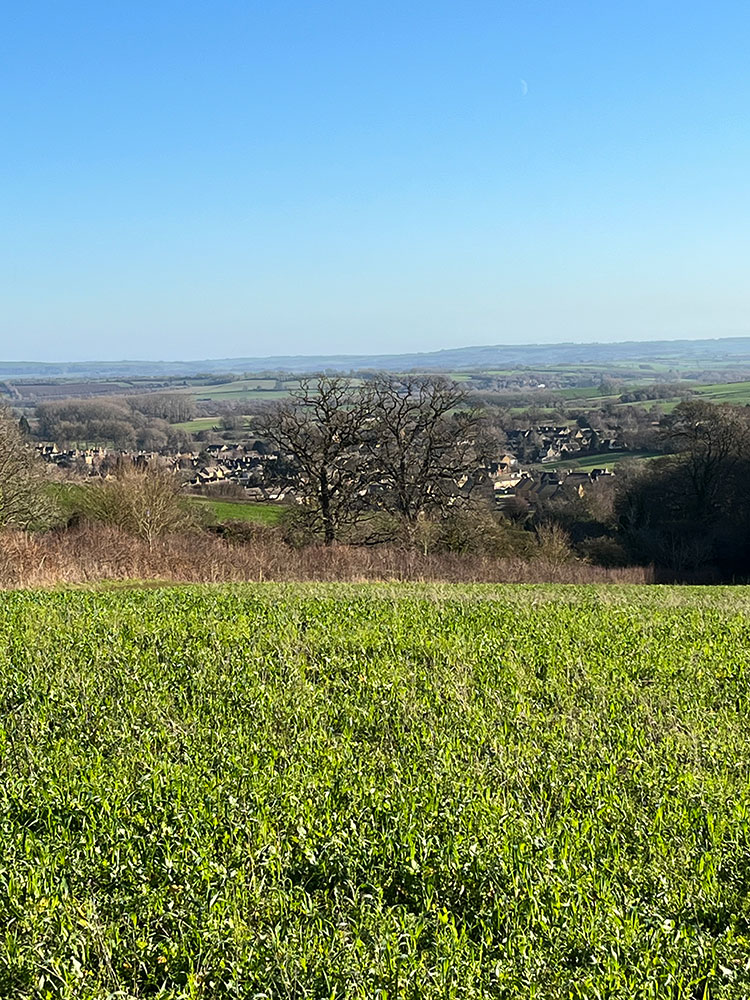
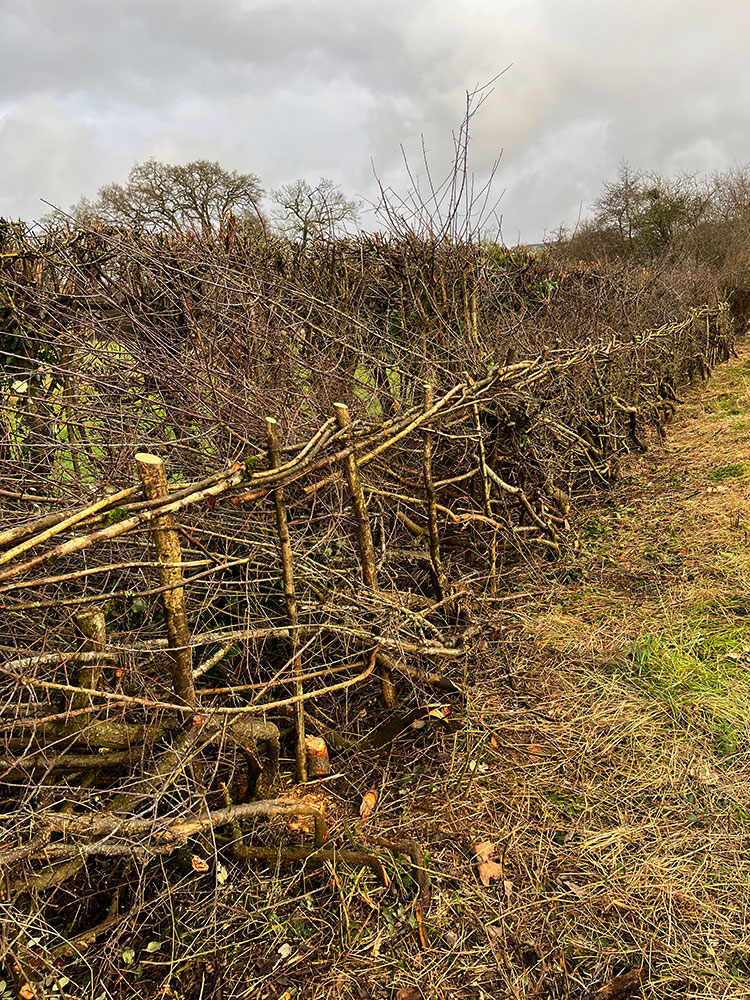
Habitats – Forests, Woodlands, Hedges, Gardens, Fields, Meadows
John W. Dover (Ed.), The Ecology of Hedgerows and Field Margins (Abingdon: Routledge, 2019).
Merlin Hanbury-Tenison, Our Oaken Bones: Reviving a Family, a Farm, and Britain’s Ancient Rainforests (London: Witness, 2025).
Christopher Hart with Jonathan Thomson, Hedgelands: a Wild Wander Around Britain’s Greatest Habitat (London: Chelsea Green Publishing, 2024).
Paul Lamb, Of Thorn and Briar: a Year with a West Country Hedgelayer (London: Simon & Schuster, 2025).
John Lewis-Stempel, A Natural History of England (London: Transworld, 2024 ebook)
Richard Mabey, The Accidental Garden: Gardens, Wilderness, and the Space in Between (London: Profile Books, 2025).
Richard and Nina Muir, Hedgerows: Their History and Wildlife (London: Michael Joseph, 1987).
Guy Shrubsole, The Lost Rainforests of Britain (London: William Collins, 2023).
Wildlife – Wonders, Declines, Conservation…
Chloe Dalton, Raising Hare (Edinburgh: Canongate).
Derek Gow, Bringing Back the Beaver: The Story of One Man’s Quest to Rewild Britain’s Waterways (White River Junction, Vermont: Chelsea Green, 2020).
Jamie Lorimer, Wildlife in the Anthropocene: Conservation After Nature (Minnesota: University of Minnesota Press.)
Michael Malay, Late Light: The Secret Wonders of a Disappearing World (London: Manilla Press, 2023).
Michelle Nijhuis, Beloved Beasts: Fighting for Life in an Age of Extinction (New York: Norton, 2021).
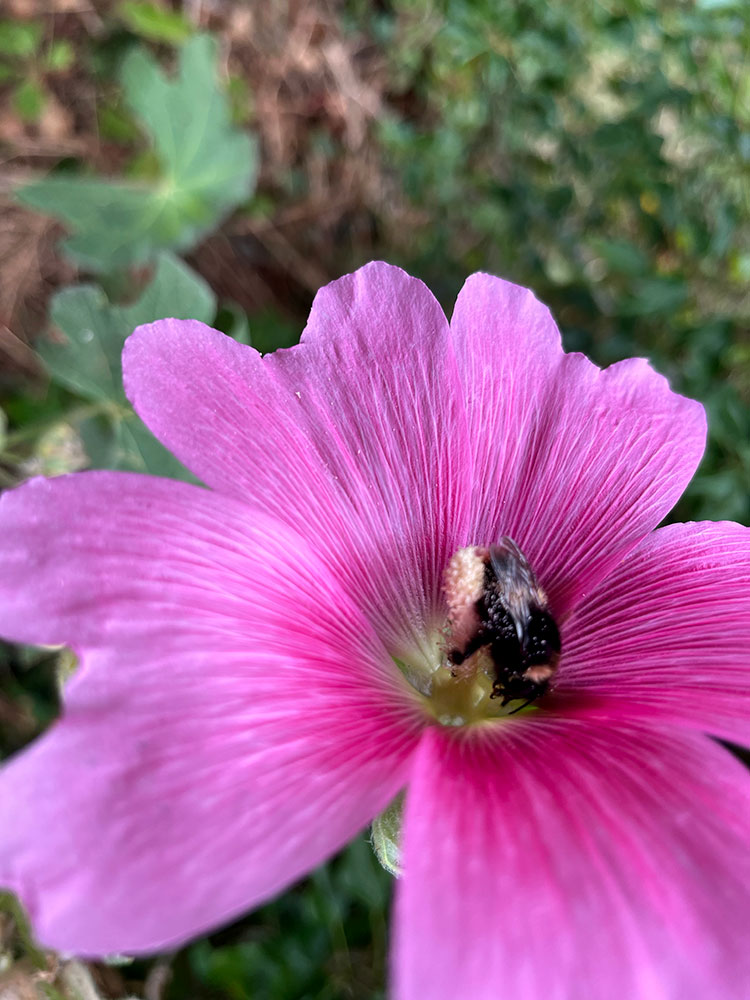
Bug Life… Wonders, Declines, Conservation
Lars Chittka, The Mind of a Bee (Princeton: Princeton University Press, 2022).
Sally Coulthard, The Book of the Earthworm.
Dr Nikki Gammans, Dr Richard Comont, Gill Perkins. Bumblebees: An Introduction.
David Goulson, Silent Earth: Averting the Insect Apocalypse (London: Jonathan Cape, 2021).
Barry Henwood and Phil Sterling, A Field Guide to Caterpillars of Great Britain and Ireland. Illustrated by Richard Lewington.
Erica McAlistair, The Secret Life of Flies.
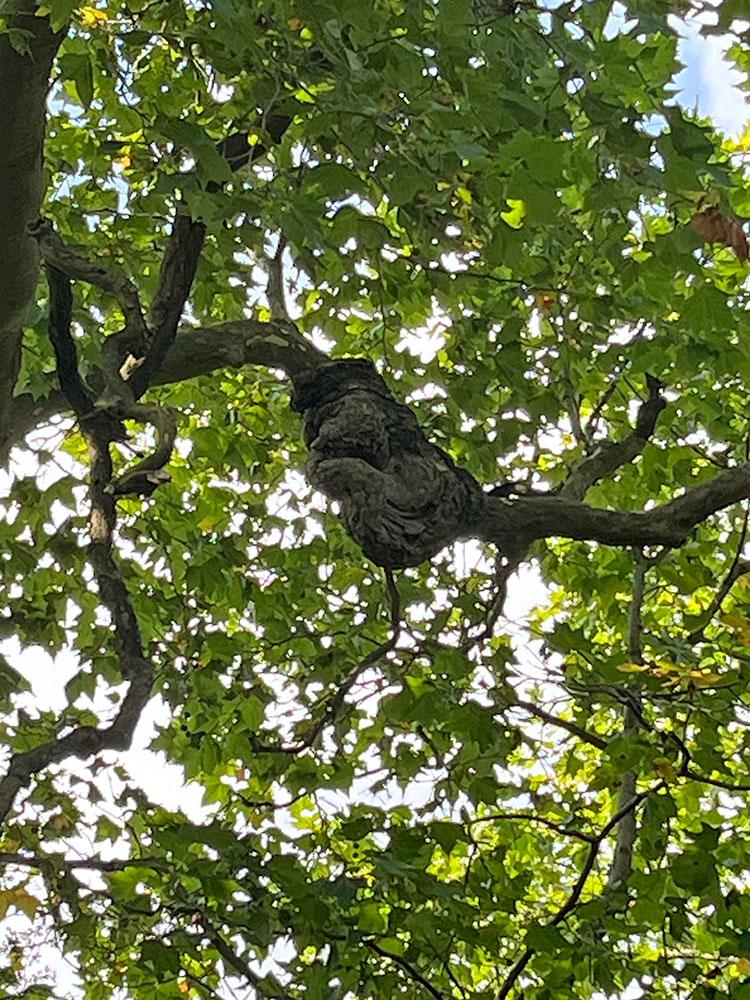
Trees…
Richard Powers, The Overstory (London: Vintage, 2018).
Callum Robinson, Ingrained: the Making of a Craftsman (London: Transword, 2024).
Suzanne Simard, Finding the Mother Tree: Uncovering the Wisdom and Intelligence of the Forest. London: Allen Lane, 2021.
Peter Wohlleben, The Hidden Life of Trees: What they Feel, How they Communicate. Discoveries from a Secret World (London: Harper Collins, 2016).
Michael Chinery, Britain’s Plant Galls: A Photographic Guide. Pemberley Books, 2011.
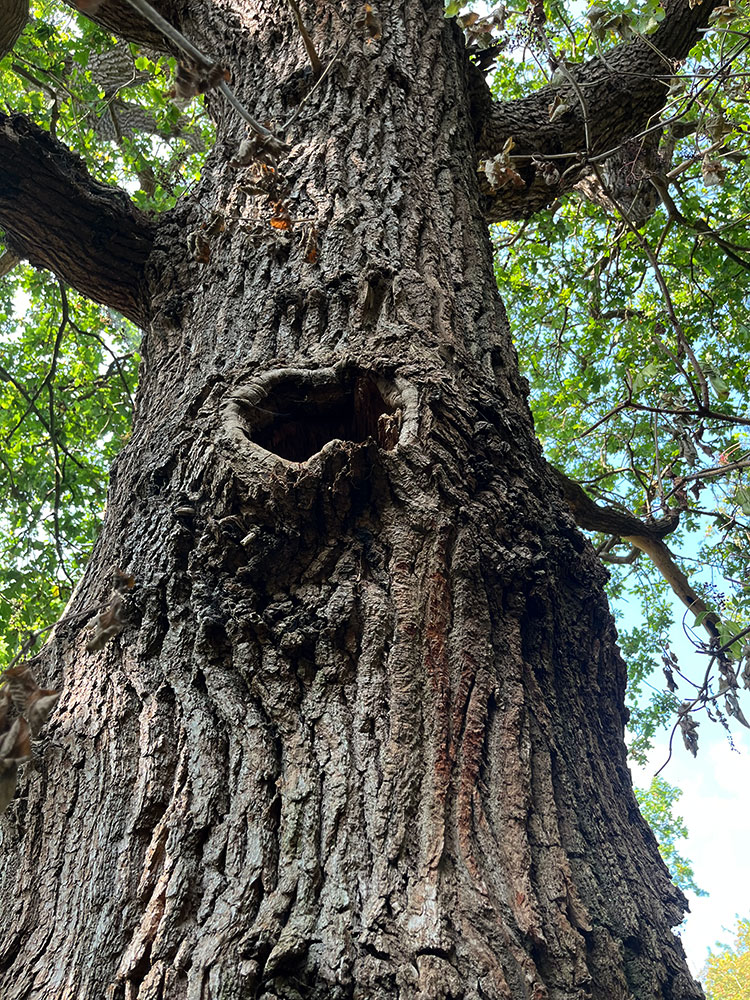
Nature Rights, Legal Standing, Personhood…
Christopher D. Stone, Should Trees Have Standing?: Law, Morality and the Environment (Oxford: Oxford University Press, 2010, Third Edition).
Robert MacFarlane, Is a River Alive? (London: Hamish Hamilton, 2025).
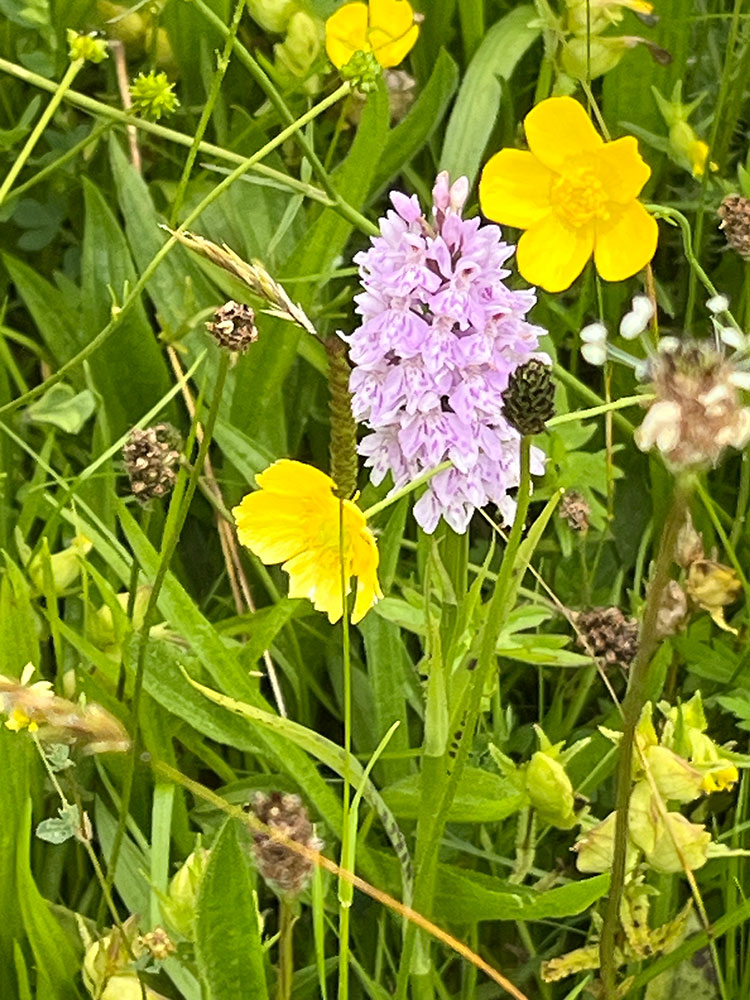
Plants, Wildflowers, Fungi…
Francis Rose, The Wildflower Key. How to Identify Wild Flowers, Trees and Shrubs in Britain and Ireland, revised & Updated by Clare O’Reilly. (London: Frederick Warne, 2006).
Michael J. Hathaway, What a Mushroom Lives for: Matsutake and the Worlds they Make (Princeton University Press, 2022).
Zoe Schlanger, The Light Eaters: How the New Science of Plant Intelligence Expands Our View of Life on Earth (London: 4th Estate, 2024).
Merlin Sheldrake, Entangled Life: How Fungi Make Our Worlds, Change Our Minds, and Shape Our Futures (The Bodley Head, 2020).
Robin Wall-Kimmerer, Gathering Moss: A Natural and Cultural History of Mosses London: Penguin, 2021.
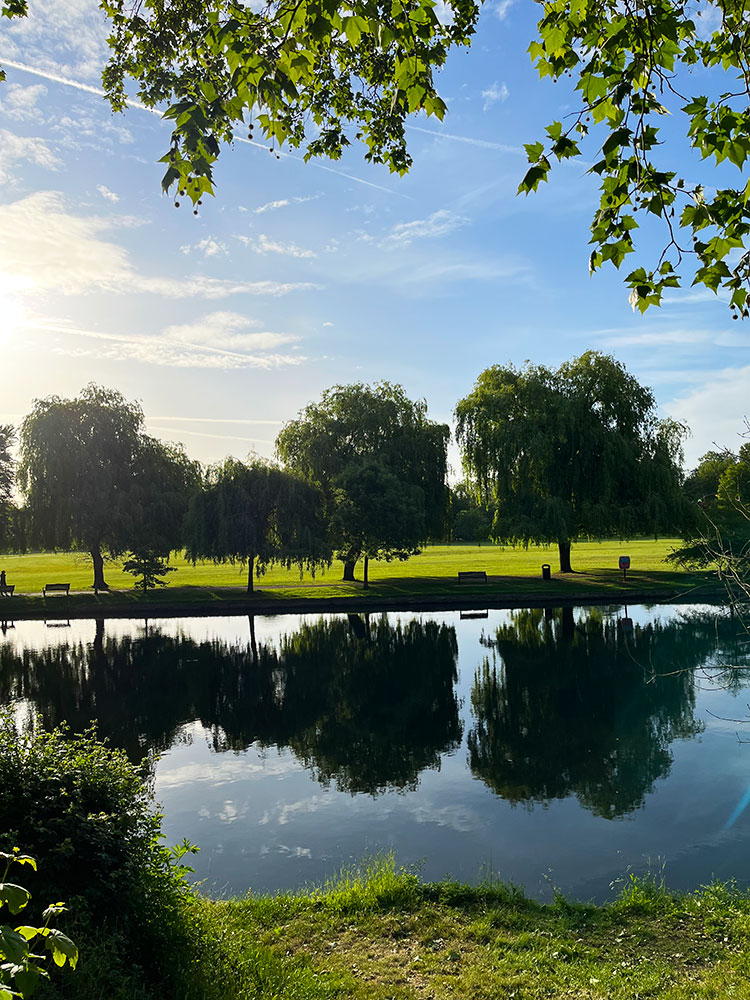
Rivers, Streams, Springs, Groundwater…
Amy-Jane Beer, The Flow: Rivers, Water and Wilderness (London: Bloomsbury, 2023).
Rose George, Every Last Fish: What Fish do for Us and What We Do to Them. London: Granta, 2025.
Elif Shafak, There Are Rivers in the Sky (Penguin, 2024).
Science Fiction, Eco Fiction
Brian Aldiss, Hothouse. London: Penguin, 1961.
Algernon Blackwood, The Wendigo and Other Stories. Oxford: OUP, 2023.
Sarah Hall, Helm. London: Faber & Faber, 2025.
Olga Tokarczuk, Drive Your Plough Over the Bones of the Dead. London: Fitzcarraldo, 2009
Contact us
If you’d like to suggest a book please get in touch, thank you!