
Habitats
Farmland
Much of South Warwickshire is farmland, either arable farming or livestock (mainly sheep and cattle). Arable land is typically cultivated on an annual basis and sown with the chosen crop, which is subsequently harvested. Efforts are made to reduce harm to the crop through competition/contamination by weeds, and damage by pest insects and pathogens, which are a small number of species highly adapted to cropped systems.
When they are outdoors, livestock are usually maintained on grass. They may be fed at times on either hay or silage grown for them in the summer, particularly in the winter when they may be indoors. Some livestock graze on what is described ecologically as ‘grassland’ and some of the grassland may be very biodiverse.
The largest part of any arable field is where the crop is grown. Traditionally this was a major habitat for arable ‘weeds’, especially at the edges of the crop. Most of these are now suppressed by herbicides applied to crops that are grown conventionally. About 100 plant species in Warwickshire are strongly associated with arable land. Some of these are now extinct or very rare.
The margins of arable fields may be bounded by hedges or ditches, and quite often the ‘margin’ between the boundary and the area where the crop is grown will be quite wide. Wide field margins have been encouraged over the last few decades to protect any watercourses on the boundary and to support/encourage wildlife. Some of these margins are funded by government schemes to support farmland biodiversity.
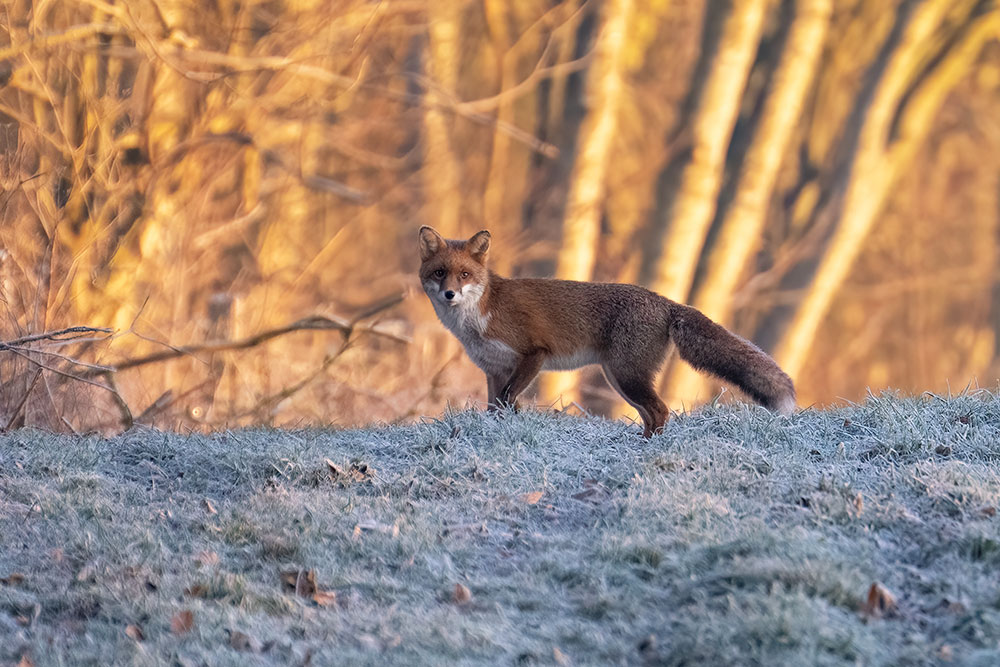
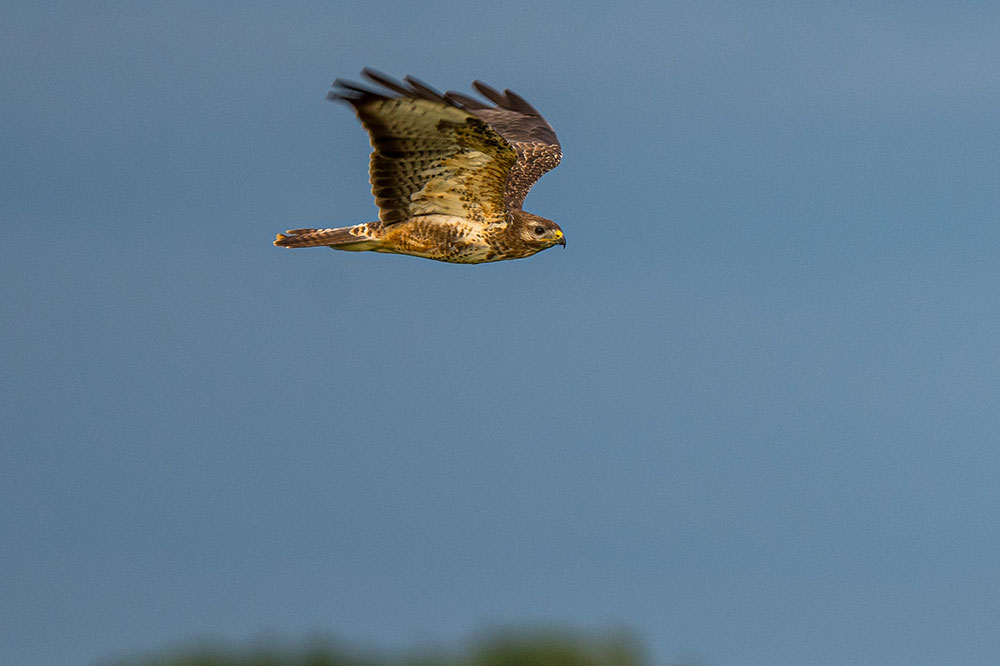
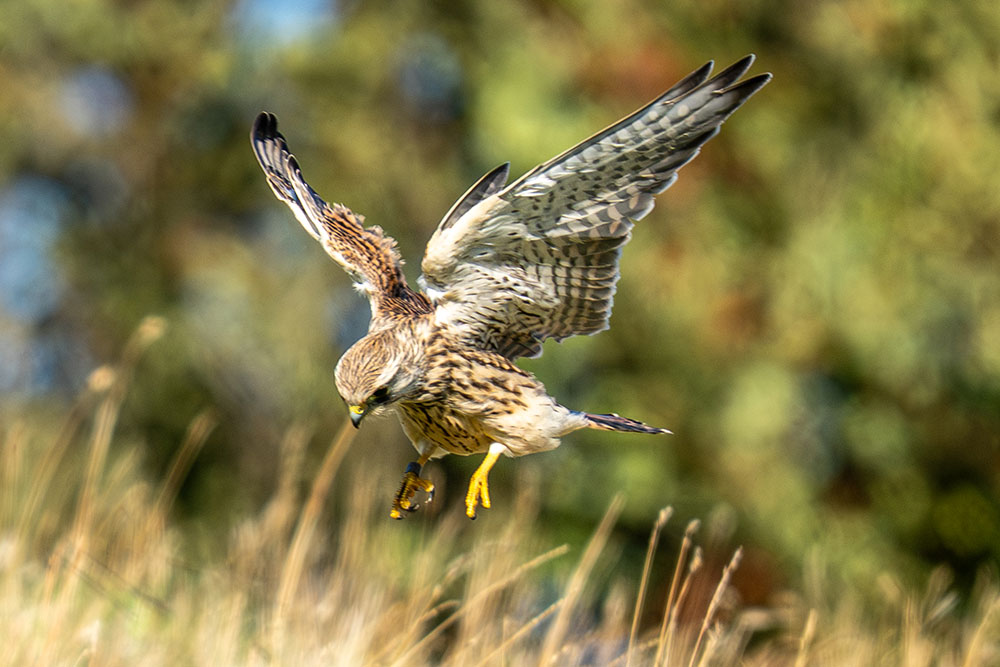
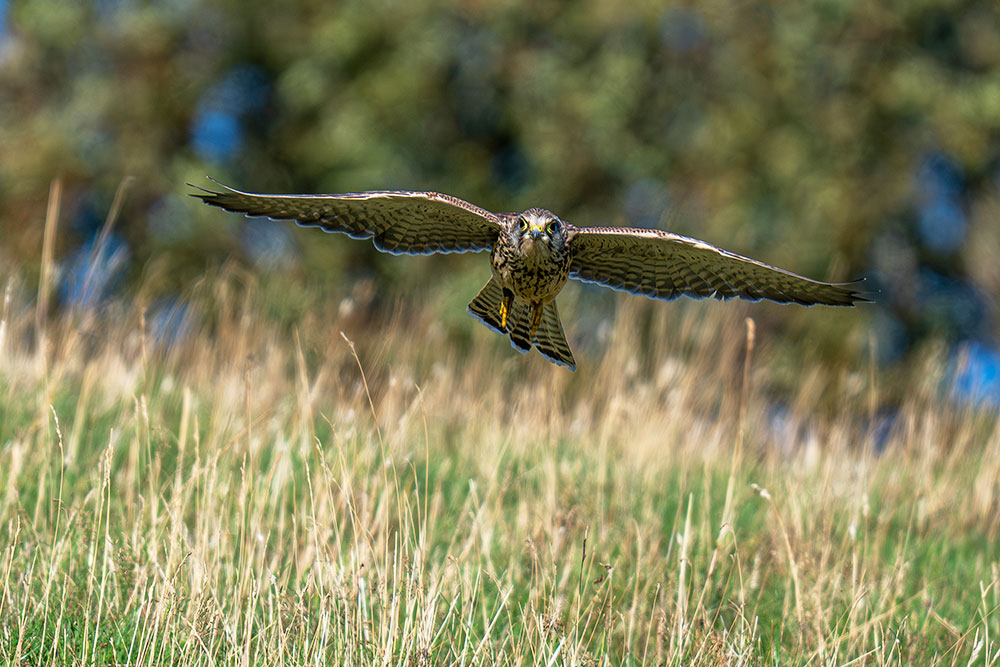
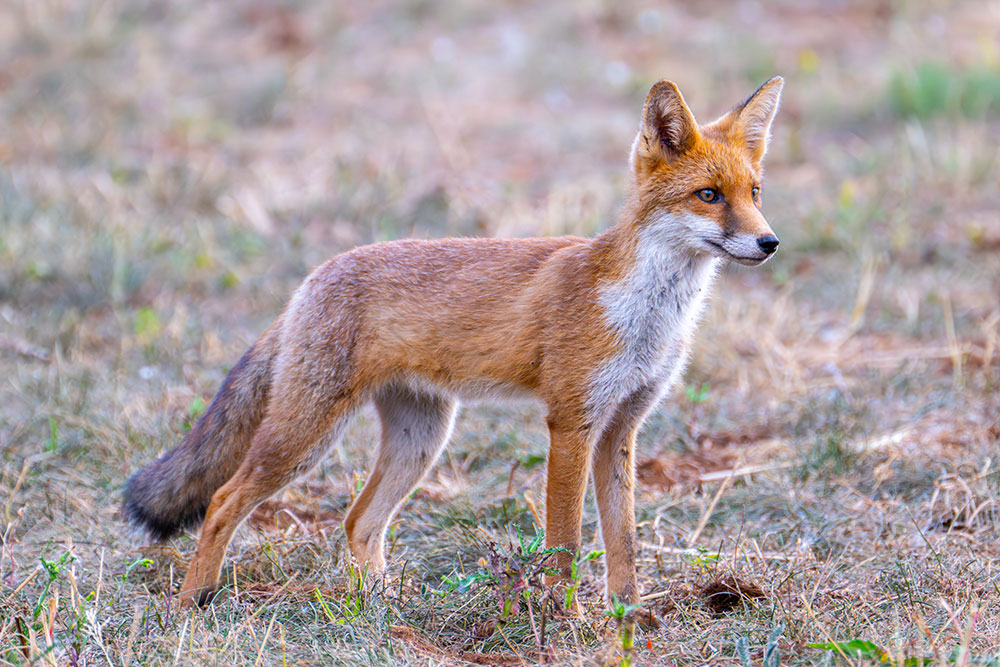
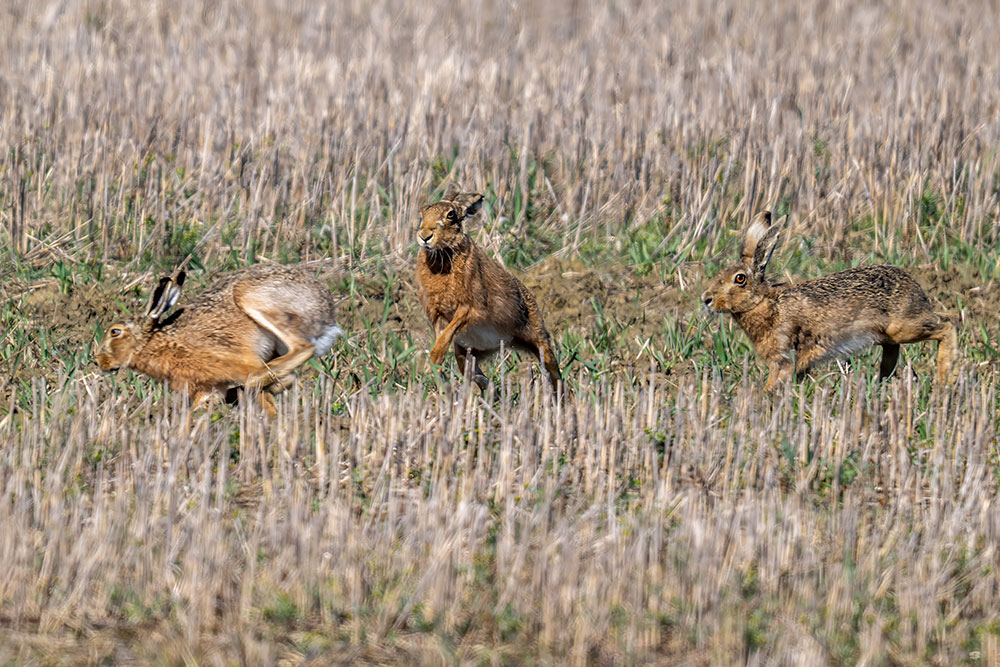
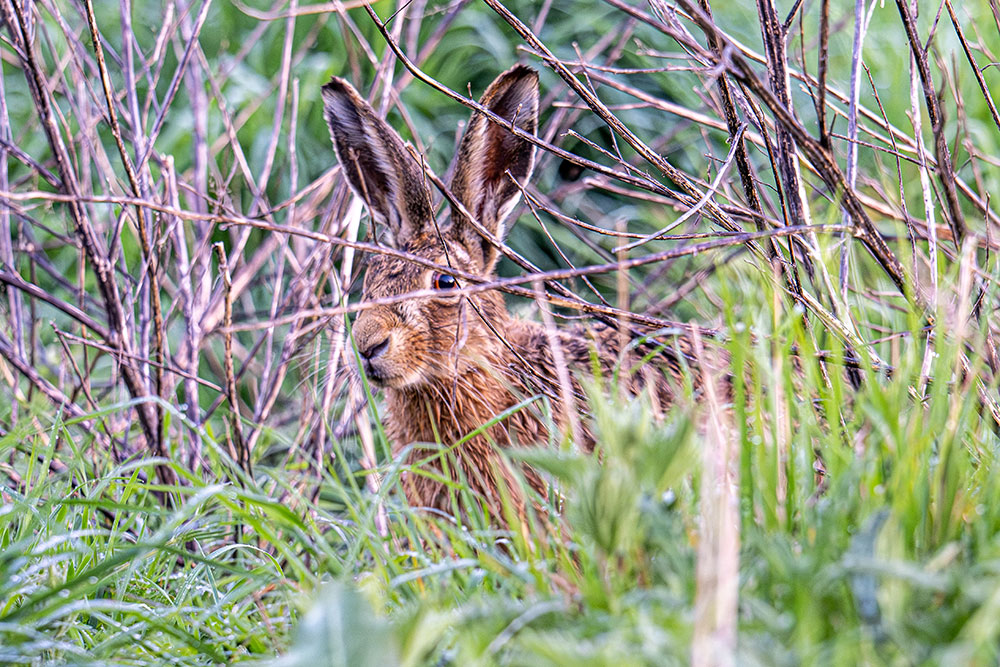
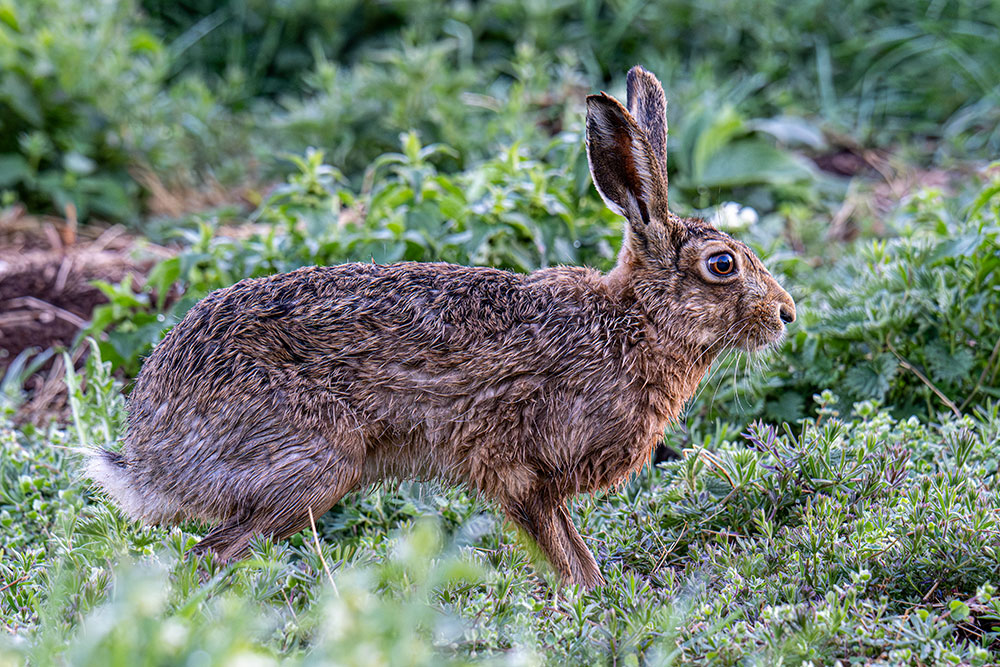
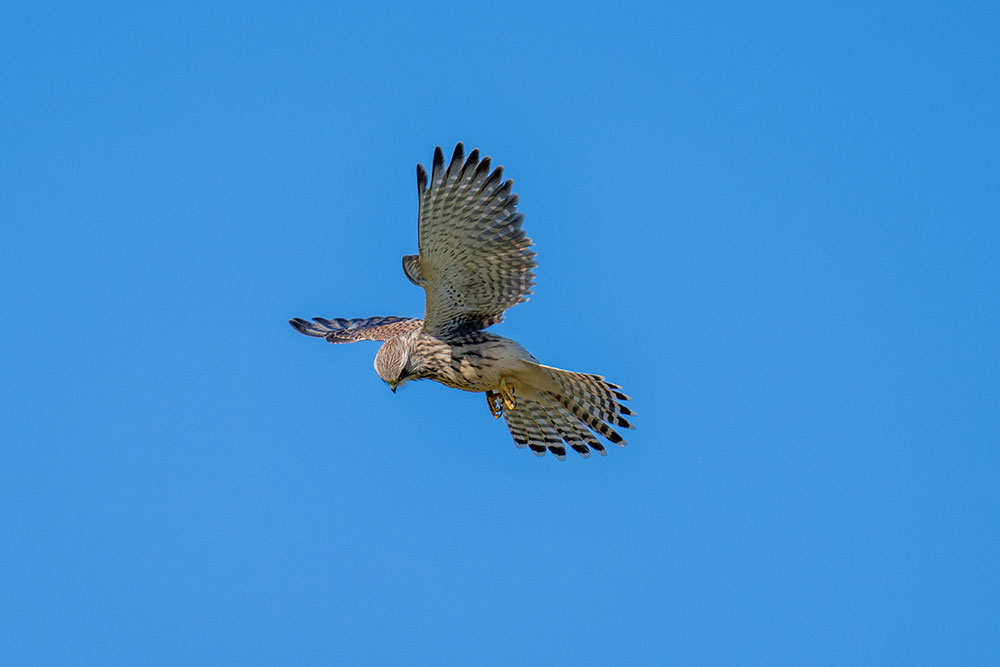
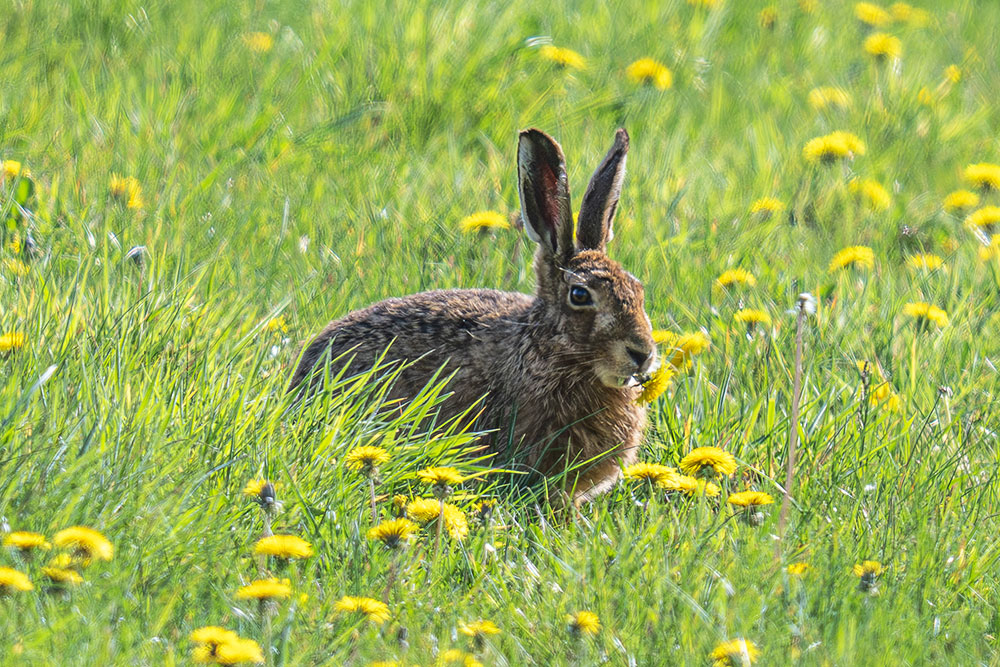
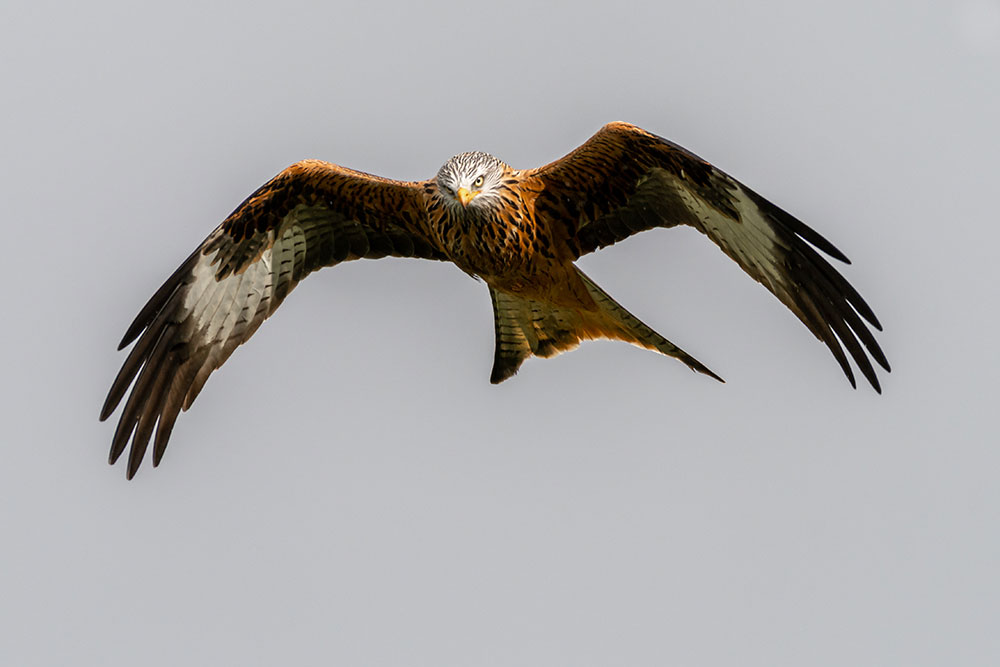
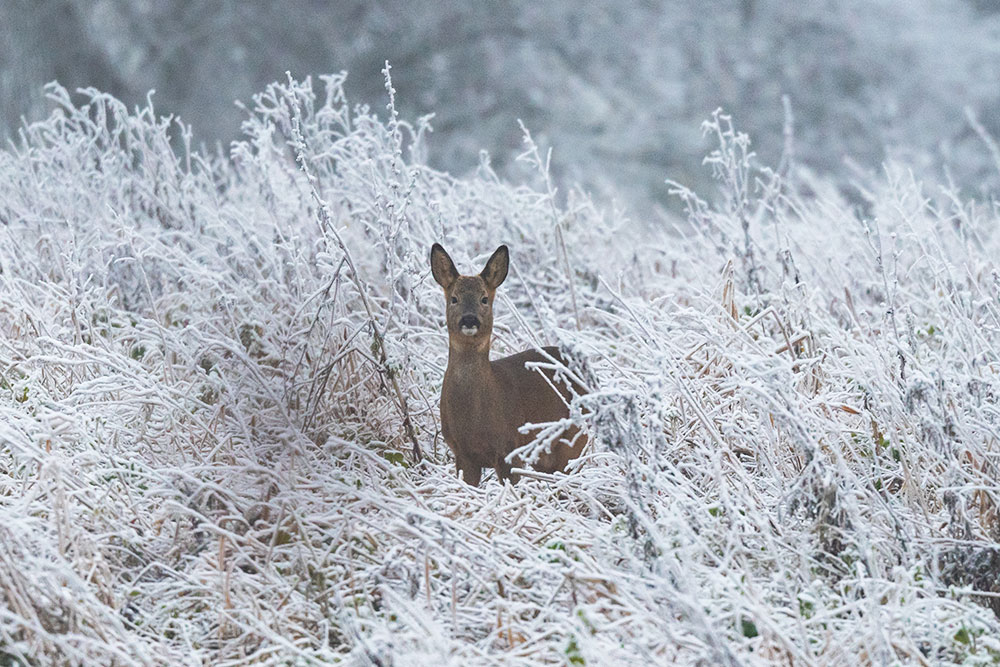
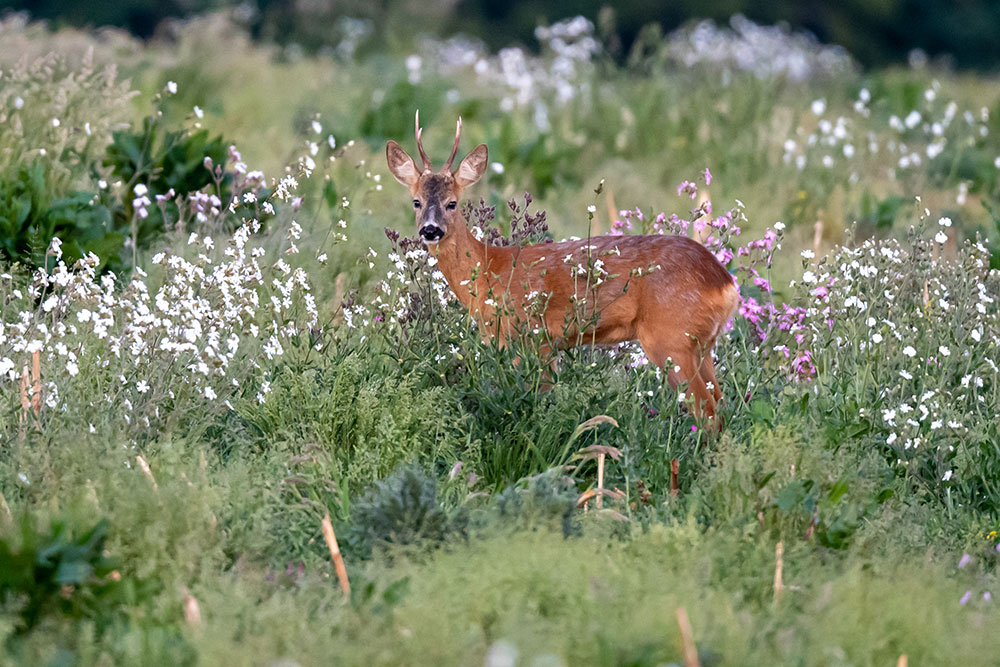
The farmed landscape altogether (fields, hedges, woodland, ponds and watercourses) provides a habitat for a range of species, including a variety of shrubs and trees, insects and other invertebrates, mammals, amphibians, reptiles and birds. Familiar mammals include badgers, foxes, rabbits, hares, deer, and there are a variety of farmland birds which range from small birds such as Yellowhammers to large birds such as Barn Owls, Buzzards and Red Kites.
Support for farmland managers
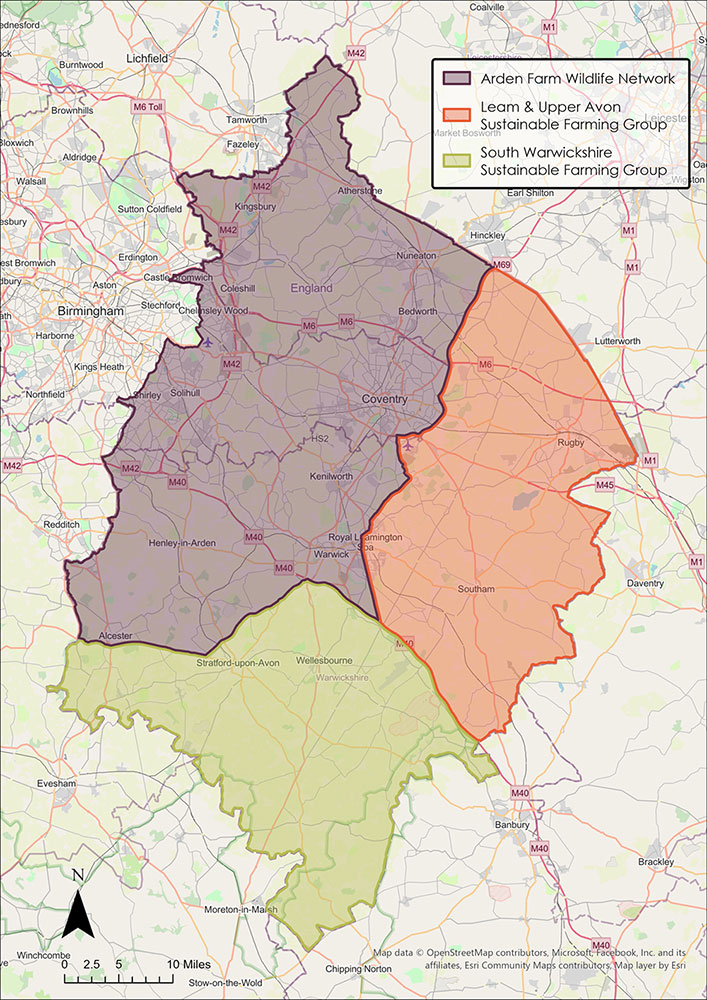
Support with regard to biodiversity is available to land managers through national and local organisations. Within Warwickshire, land managers are welcome to join one or more of the three sustainable farming groups. These groups cover the Arden area, the Leam and Upper Avon and South Warwickshire.
The groups bring together like-minded farmers to share best practice on how to improve their farm for wildlife whilst maintaining a productive farm. The groups also support the farmers:
- to increase their knowledge of managing on-farm habitats
- to access further funding to engage in landscape scale conservation projects
- with signposting to advice and funding available for the environment.
- with the transition of phasing out of BPS and into ELMS
- with contributing to the target of achieving net zero agriculture
Farmland birds
There are a range of initiatives to support farmland birds including:
Monitoring our Barn Owls
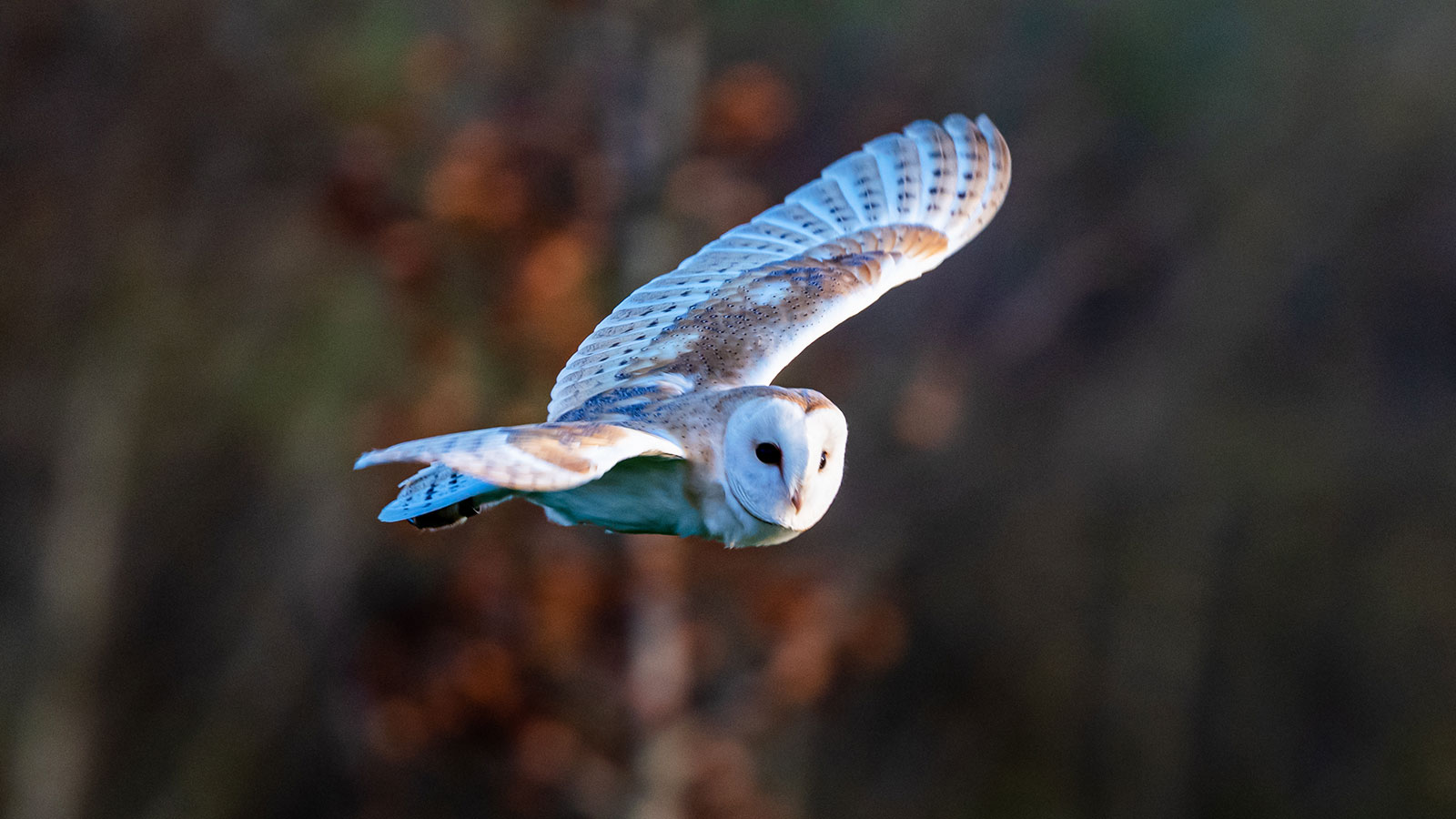
Barn owls are widely distributed across Britain but it is difficult to monitor nocturnal species and so their total numbers are unknown. However, a variety of wildlife groups send information to…
Curlew Recovery Project
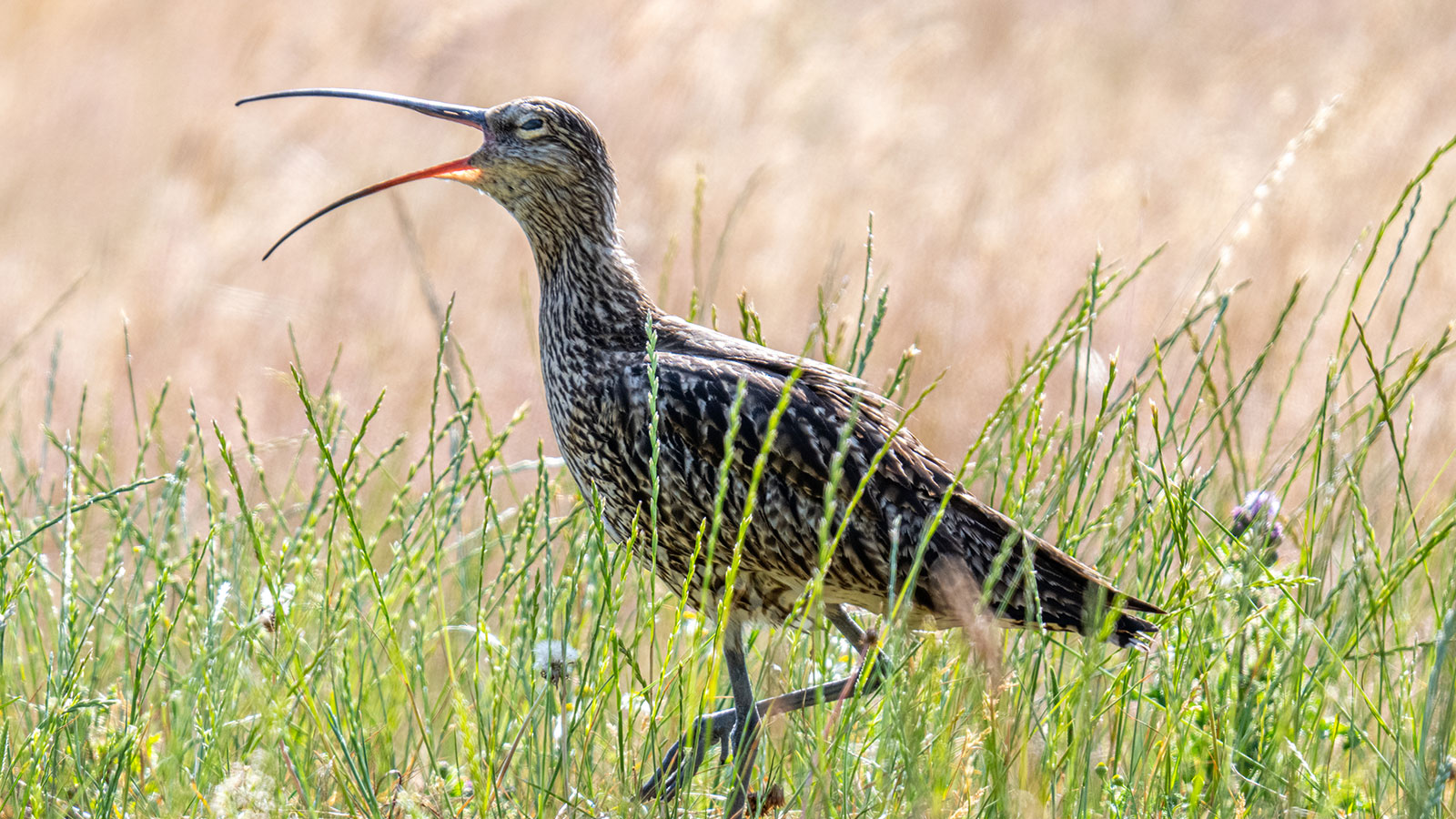
Across the UK, the population has halved in the past 25 years and they are now a ‘Red List’ species, meaning they are at urgent risk of extinction.
Resources & Guides for Farmland


| Title | Categories | Link |
|---|