Habitats
Churchyards
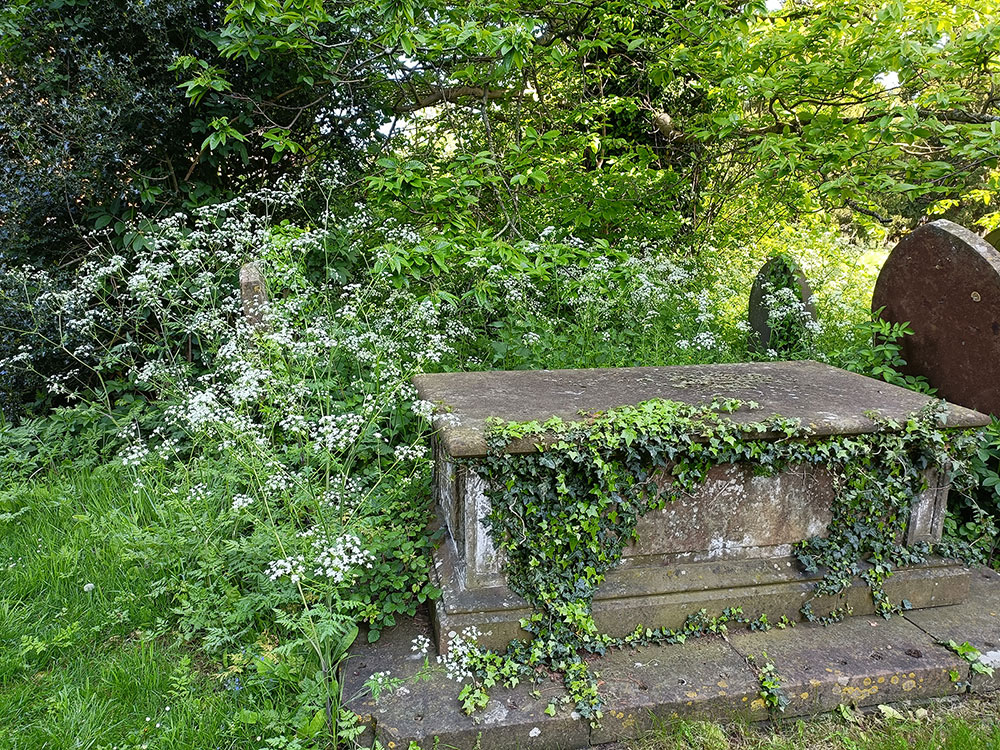
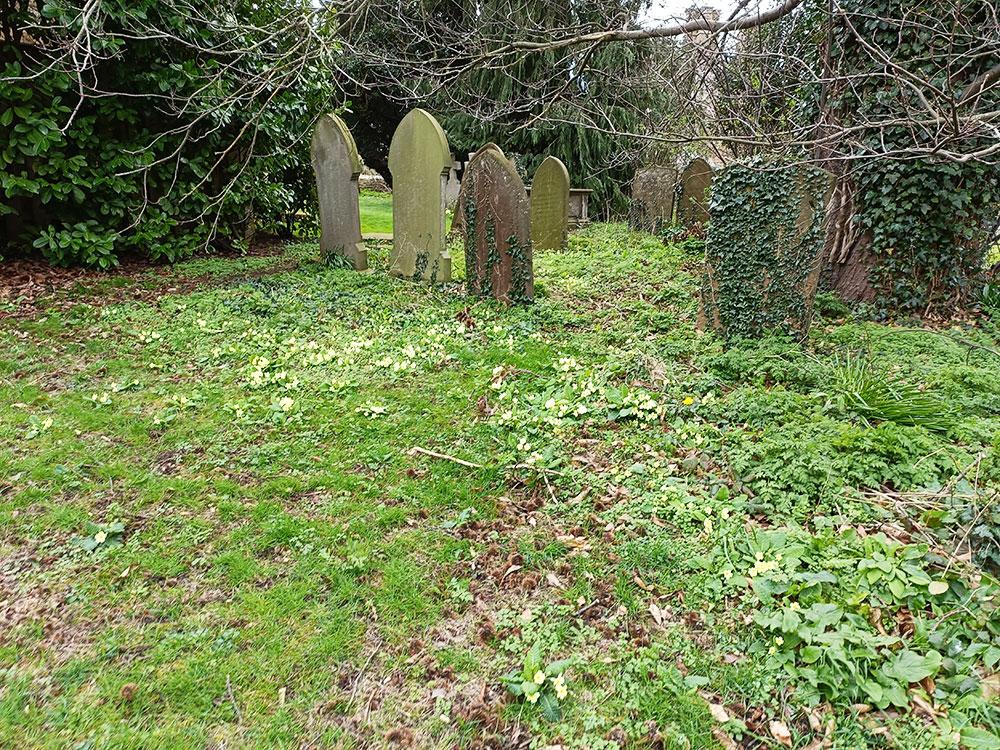
Many churchyards and burial sites provide great habitats for wildlife and are sometimes home to unusual species. These may be plants, mammals, reptiles, amphibians or lichens.
There are some beautiful churchyards and burial grounds in south Warwickshire, some of which are ancient, and which may never have been ploughed, fertilised or sprayed with pesticides. The Warwickshire, Coventry and Solihull Local Biodiversity Action Plan for churchyards and cemeteries also provides much useful information about these important sites. Some of these sites are already members of two schemes that provide support and resources for those caring for churchyards: Caring for God’s Acre and Eco Church.
Churchyard Biodiversity and Heritage project
The Churchyard Biodiversity and Heritage project, is working with churchyards across the Coventry diocese to enhance the value of churchyards for wildlife. They will be working with PCC’s, congregations, volunteers and local communities to take bespoke actions that will create churchyards rich in nature. Such as through the creation of wildflower areas, the installation of bird boxes or growing of pollinator friendly herbs and plants. The project is also running events, such as arts and crafts, bat walks, and nature journalling to showcase these sites and their heritage to the wider community, encouraging involvement and a greater sense of ownership of these important spaces.
If you would like to get involved such as by helping with wildlife surveying, or volunteering your time get in touch: churchyardproject@coventry.anglican.org
You can stay up to date with project news by following them on Instagram: peaceofnature_warwickshire or on Facebook: Churchyard Biodiversity and Heritage Project.
The Churchyard Biodiversity and Heritage Project is run by the Diocese of Coventry in partnership with Warwickshire Wildlife Trust and Caring for God’s Acre and funded by The National Lottery Heritage Fund and is made possible thanks to National Lottery players.
St James, Alveston
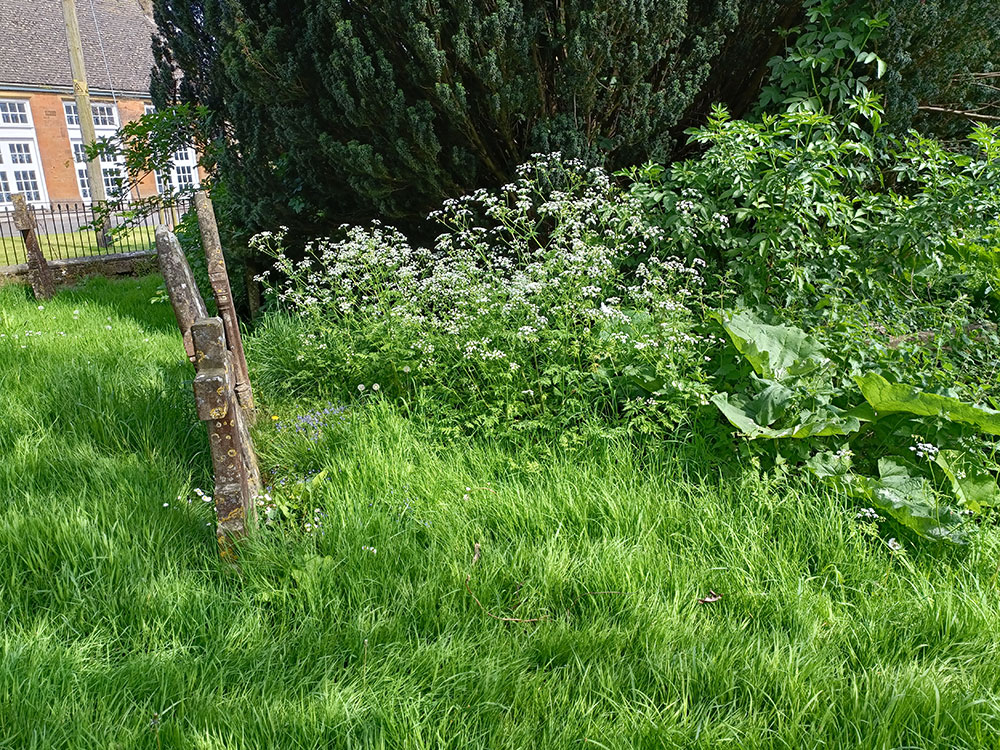
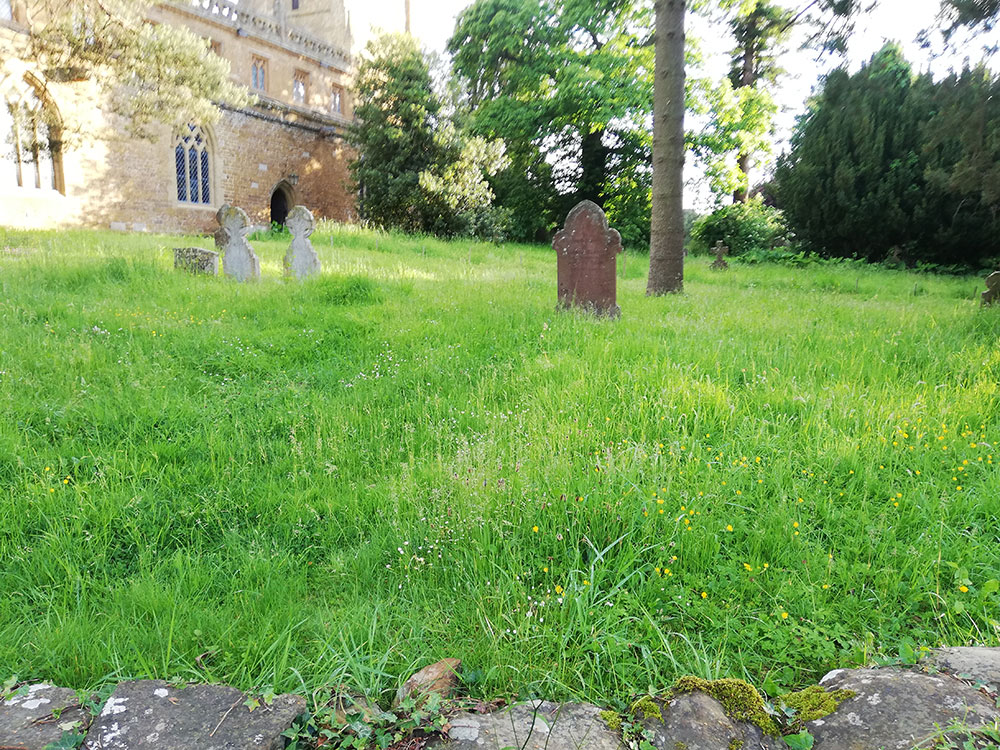
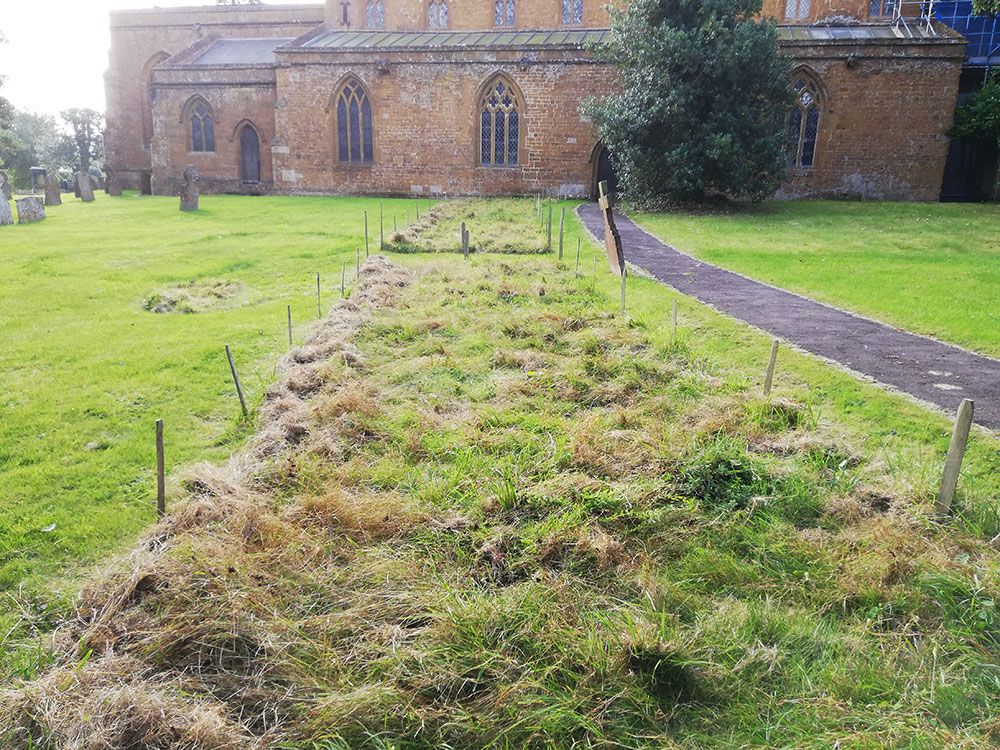
The churchyard has been managed for wildflowers since 2014. During spring and early summer four designated areas, mostly surrounding the older graves, are allowed to grow uncut. The annual meadow mow is held usually on the last Saturday in July. There are two other working party days during the year, the first in mid to late March to tidy up and mark out the wildflower areas, and the last one at the end of November to rake leaves and turn the compost heap. Click here for more details.
Assumption of the Blessed Virgin Mary, Tysoe
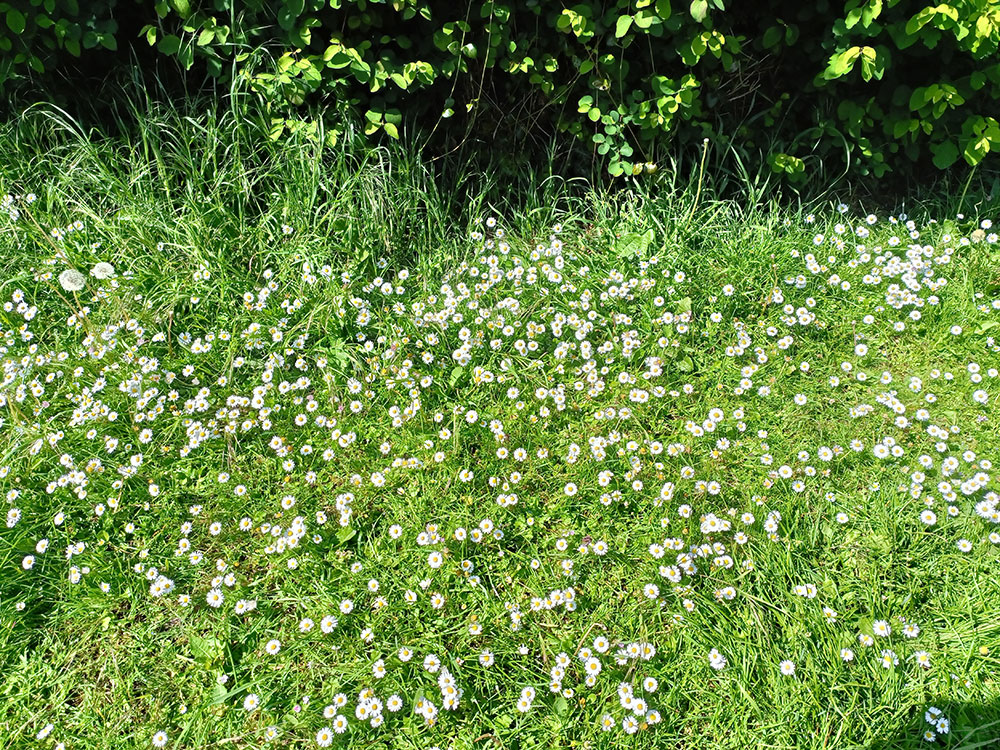
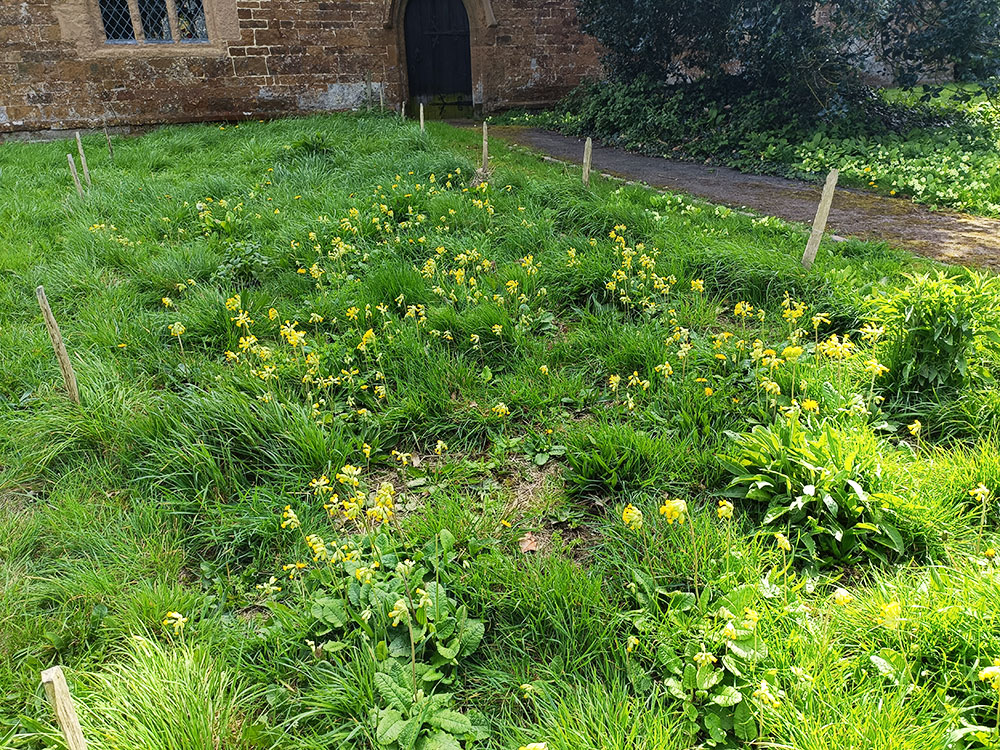
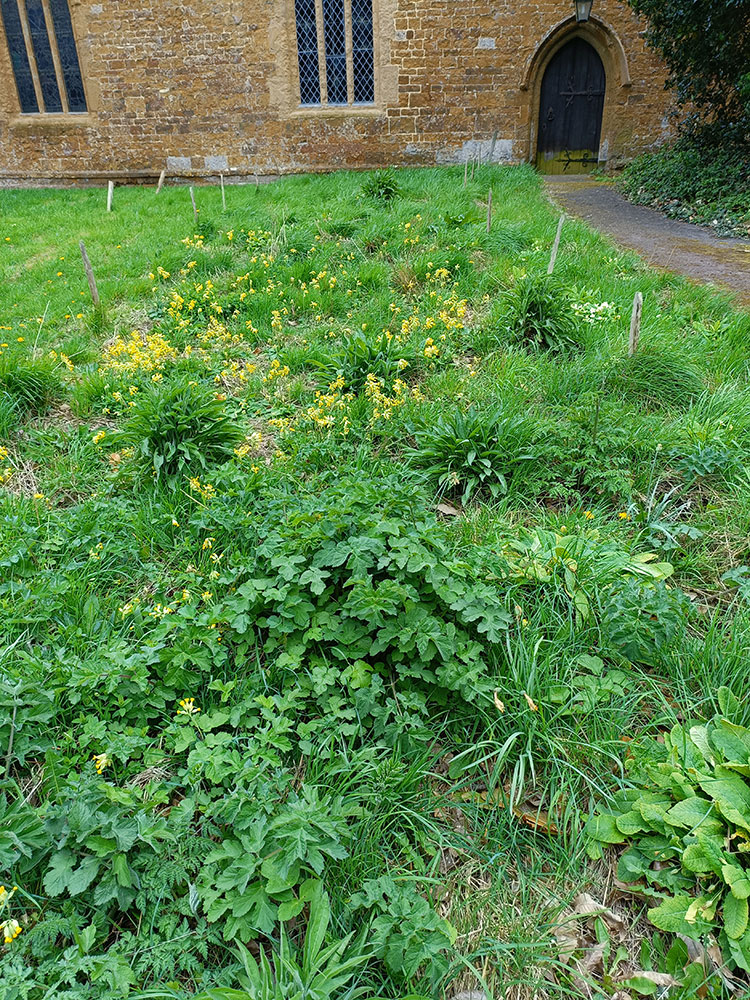
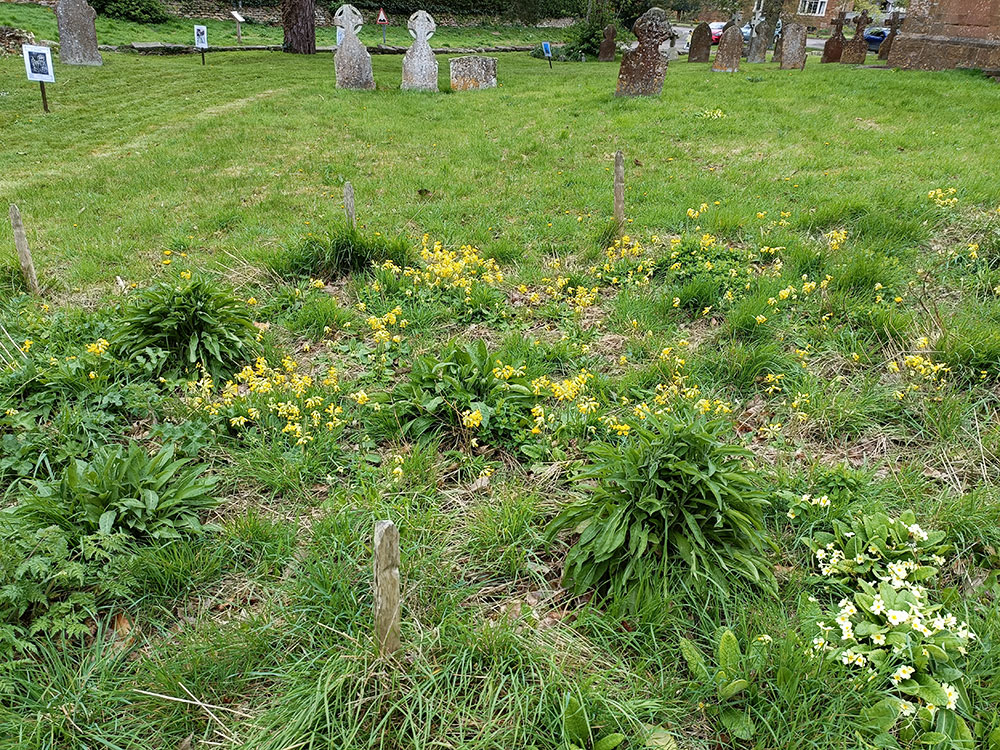
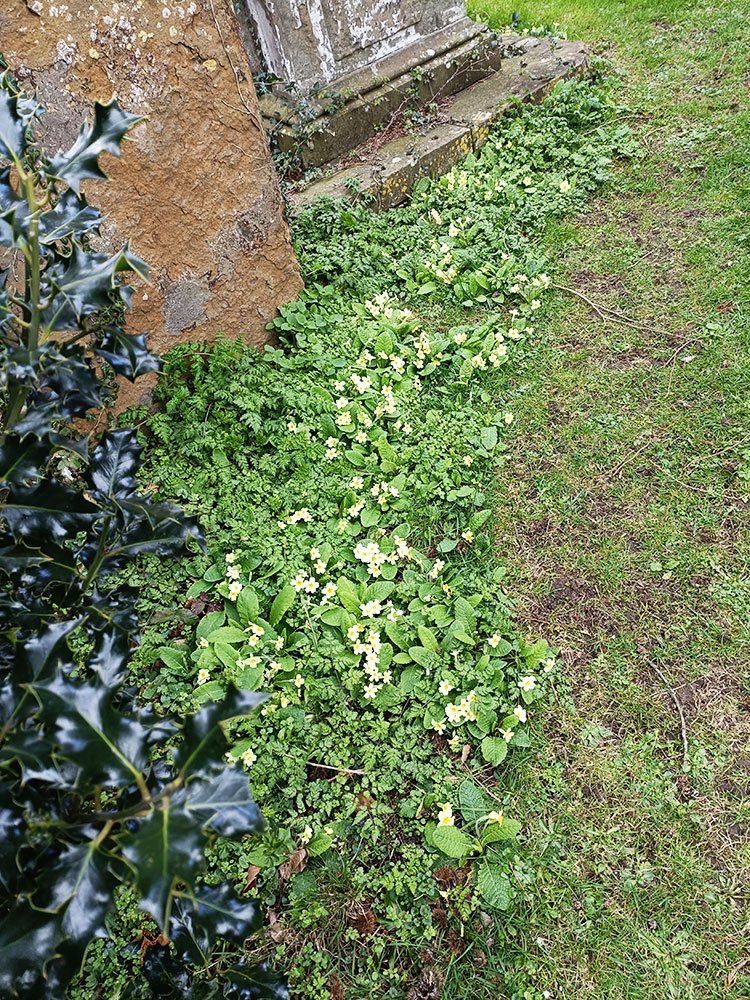
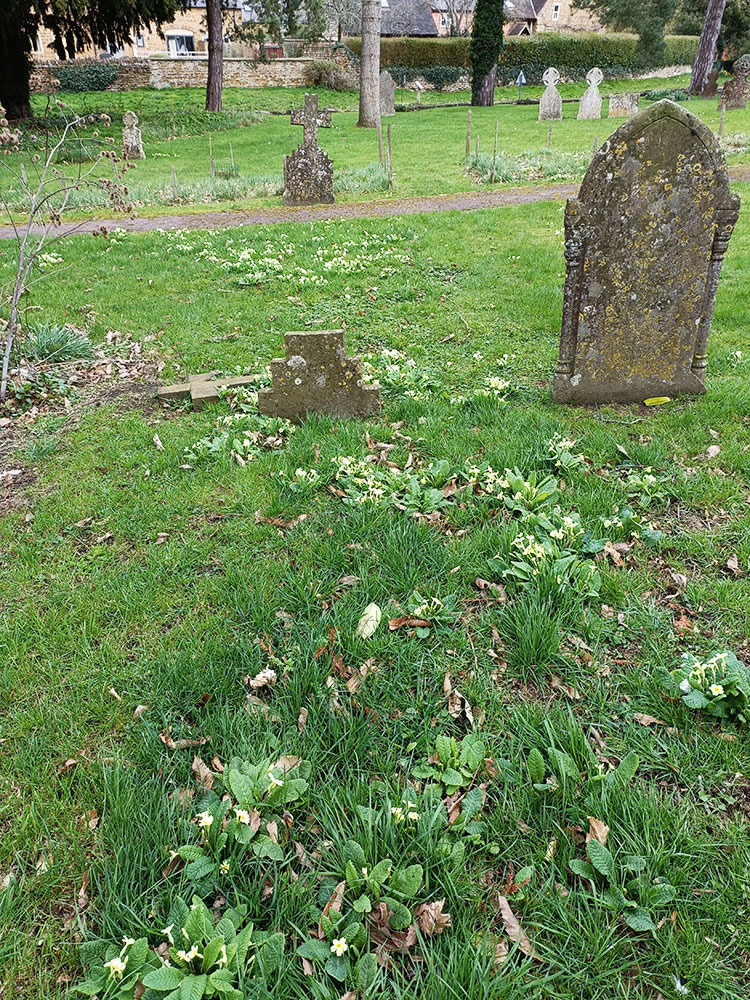
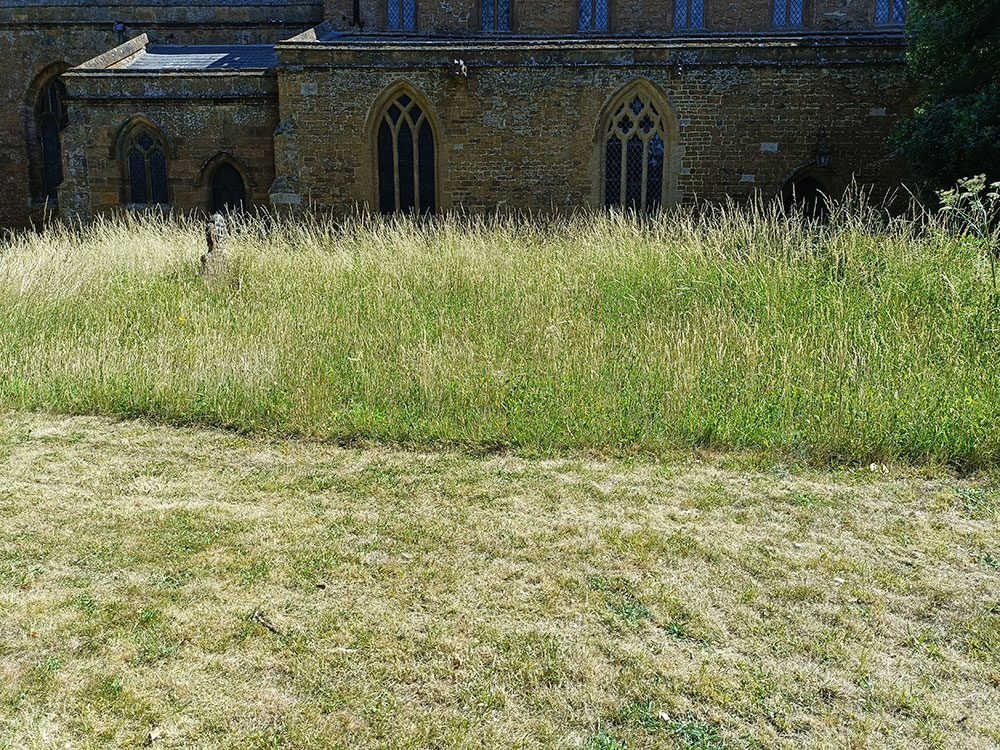
The ‘Making Space for Nature’ initiative in Tysoe started in August 2019 with a dedicated wildlife area in St Mary’s Churchyard. This includes two plots which were sown with yellow rattle and some green hay taken from the magnificent churchyard at Oldberrow. In addition to the wildflower areas, bird boxes (constructed by local children from kits made by a resident) and a hedgehog bunker were installed in the churchyard.
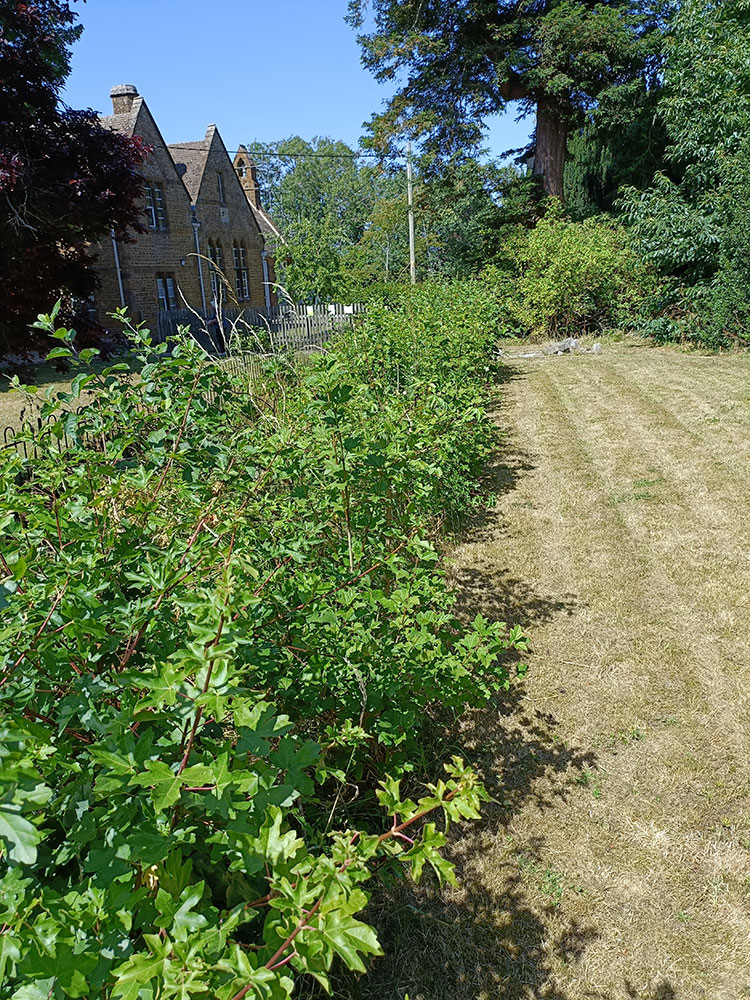
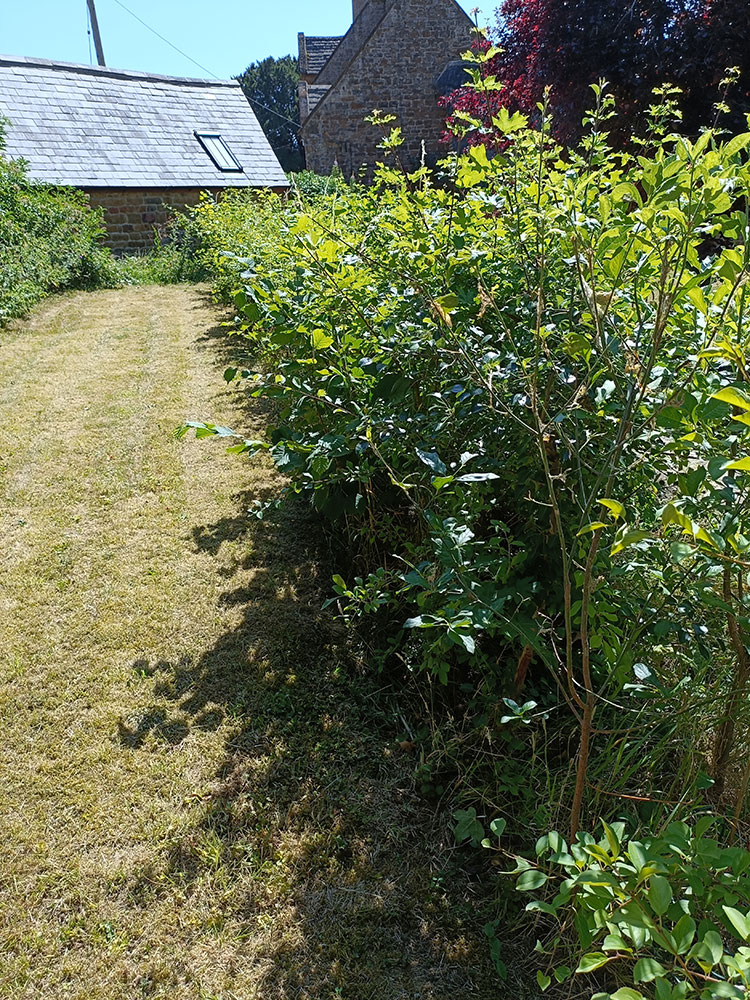
A new wildlife hedge was planted in winter 2020-21 with a selection of native species including Hawthorn, Blackthorn, Field Maple, Hazel, Crab Apple, Wild Pear, Buckthorn, Spindle and Guelder Rose. The buckthorn was included as it is the foodplant of the caterpillars of the Brimstone butterfly. The hedge is already providing a habitat and source of food for birds and insects.
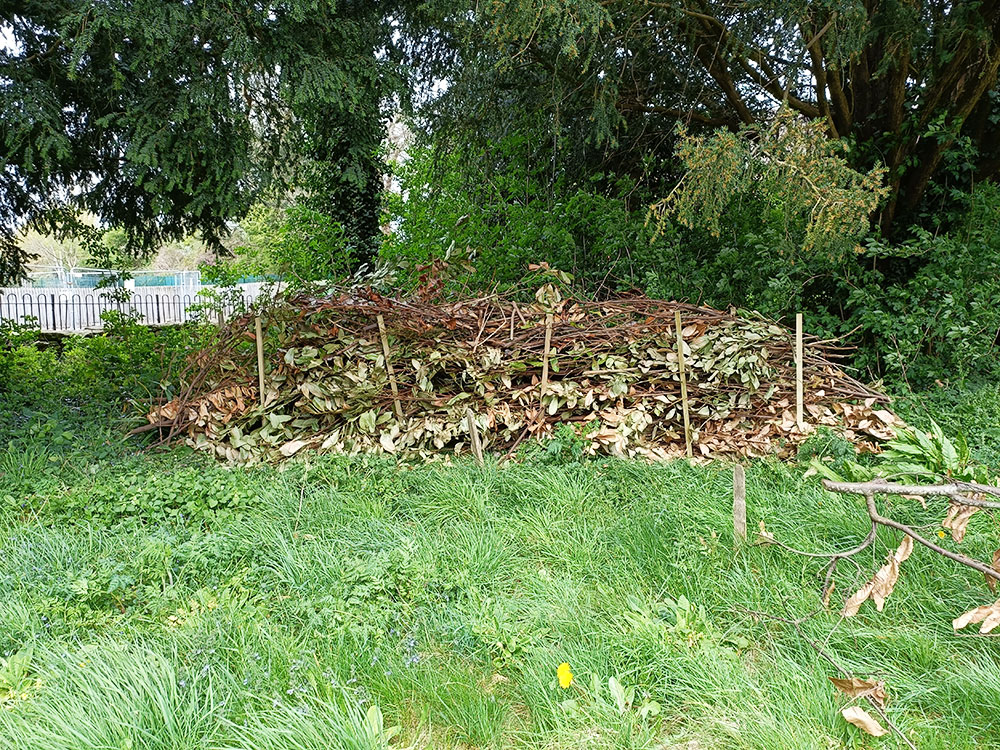
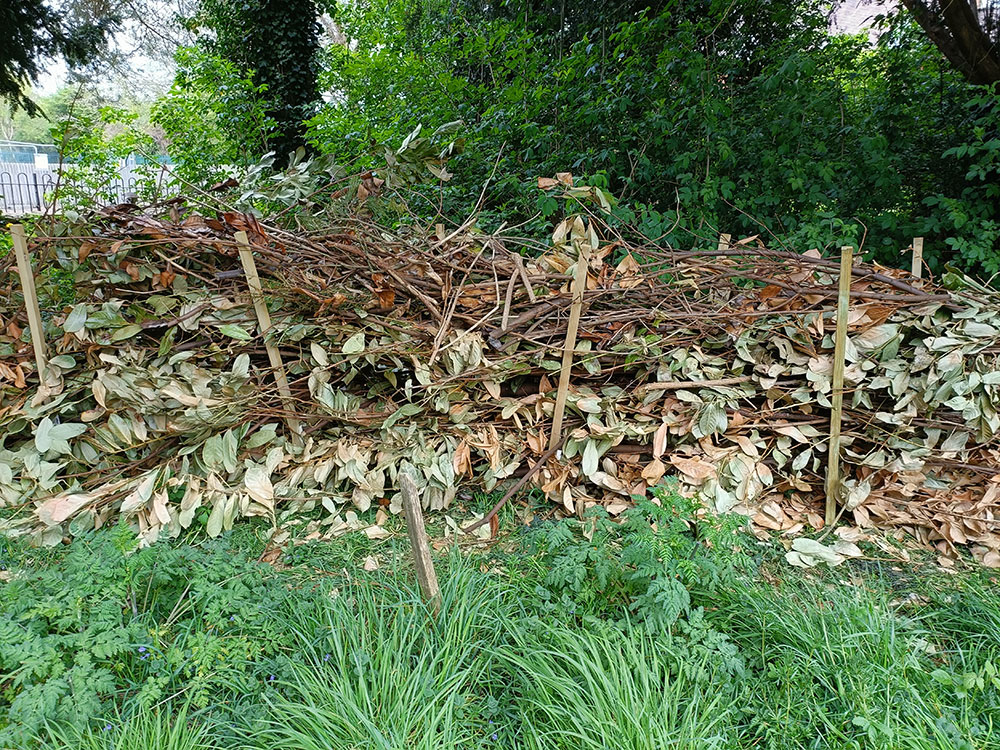
Some patches of nettles are left each year for the caterpillars of Peacock and Small Tortoiseshell butterflies. A dead hedge has been constructed subsequently with waste wood from the many trees in the churchyard to provide shelter for wildlife.
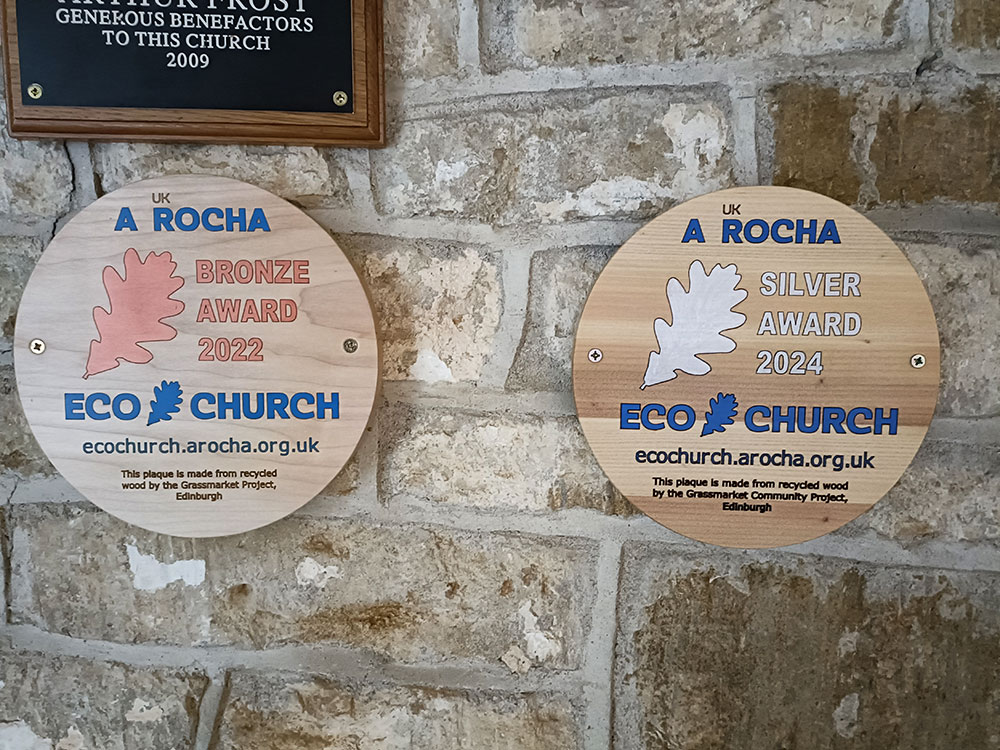
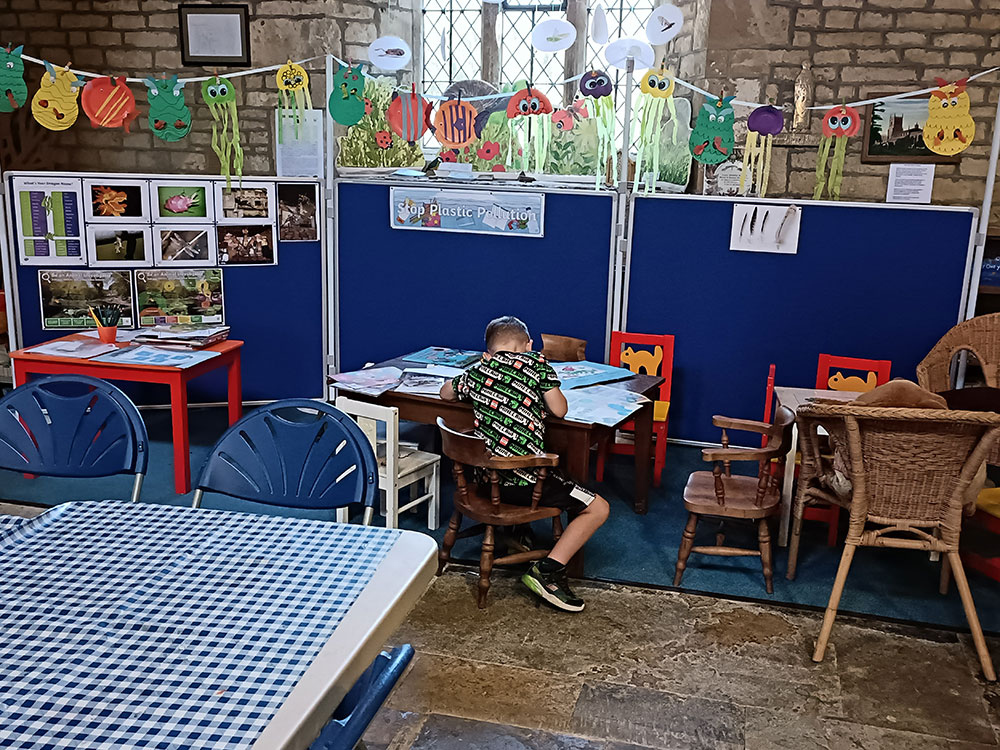
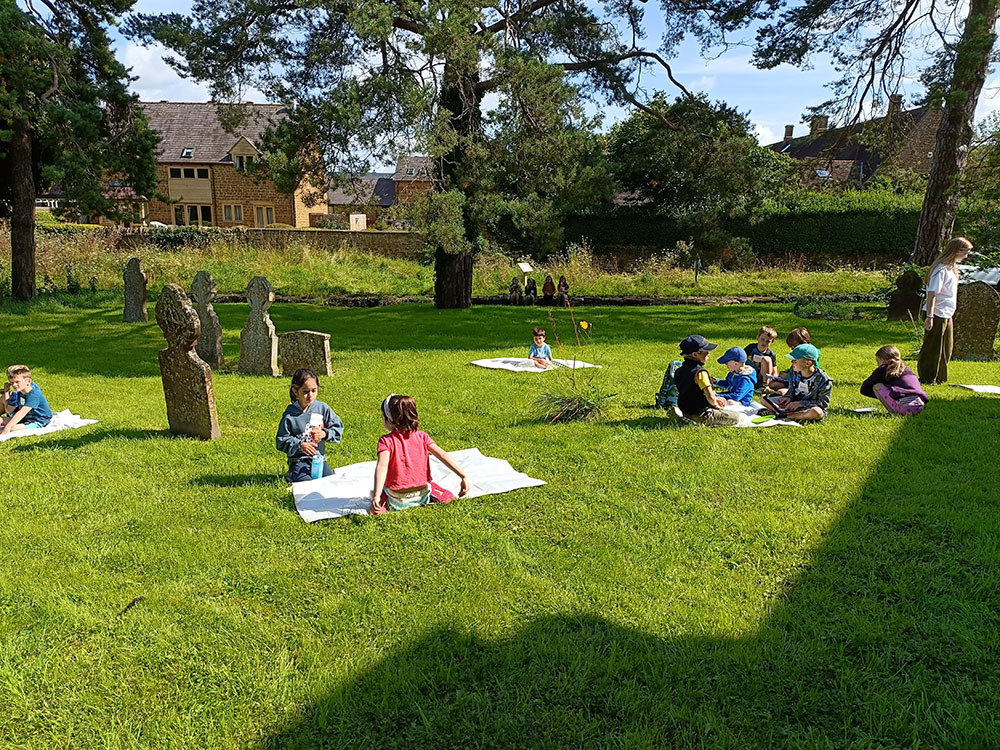
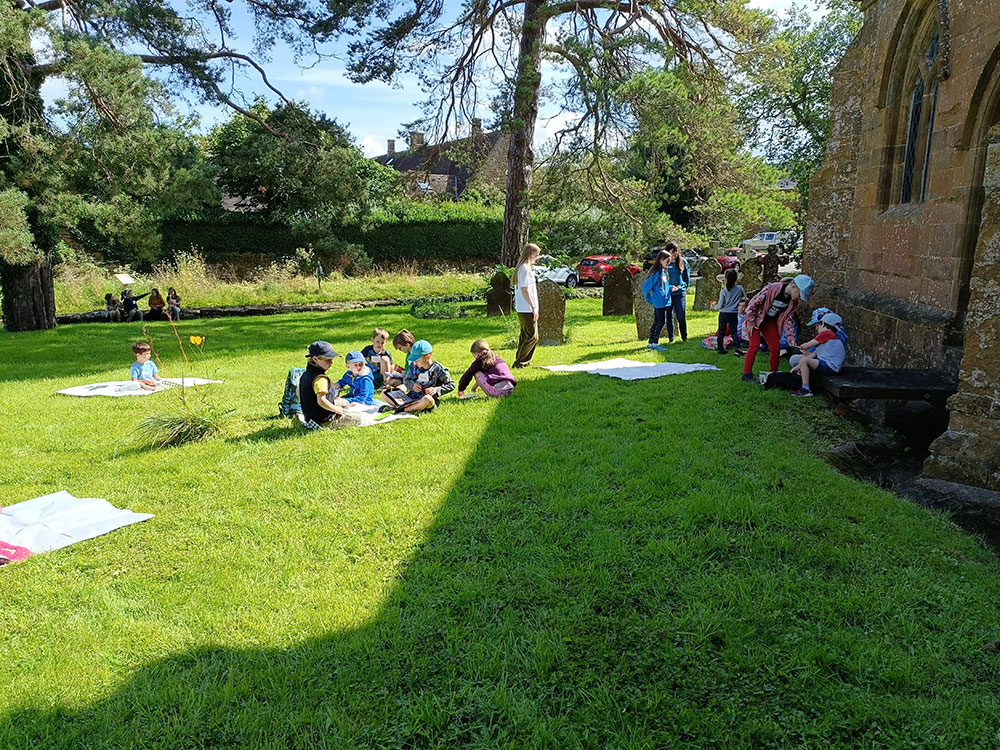
The church has hosted several wildlife events including 3 week-long summer workshops for children, a bat night and talks on wildlife. There is a lichen trail in the churchyard. The church has Eco Church bronze and silver awards.
Making space for nature in St Mary’s Churchyard
https://swanforwildlife.org/wp-content/uploads/2026/07/St-Marys-Churchyard.
Sun Rising Natural Burial Ground and Nature Reserve, Tysoe
Sun Rising is managed as a nature reserve, to maximise its value for wildlife. Since 2006, it has been developed into a rich mosaic of habitats supporting plants, trees, insects, birds, bats, amphibians, and mammals.
The reserve includes native woodlands, shrub blocks, species-rich hedgerows, wildflower meadows, tussock grasslands, and varied grassland areas. Paths, rides, and mown margins add further diversity. Water habitats feature a large pond, a smaller pond, and temporary pools, while brush piles, log piles, stumperies, and hibernacula provide shelter for many species. Even tracks, car parks, and buildings are managed to support wildlife. Sun Rising runs regular events for those interested in wildlife.
St Lawrence, Oxhill
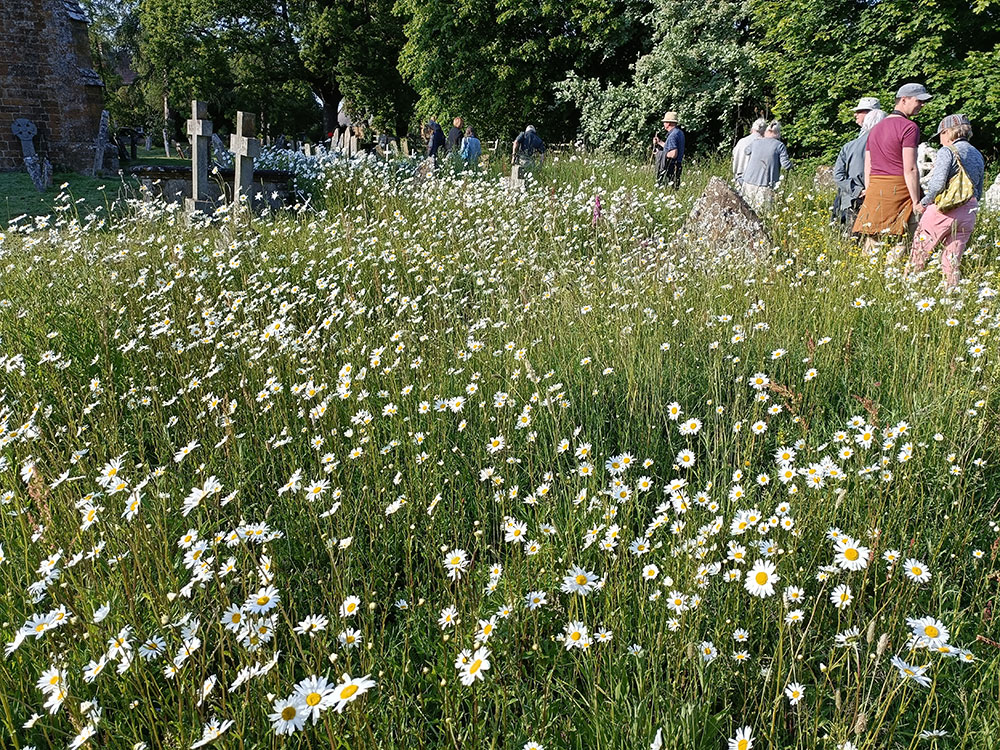
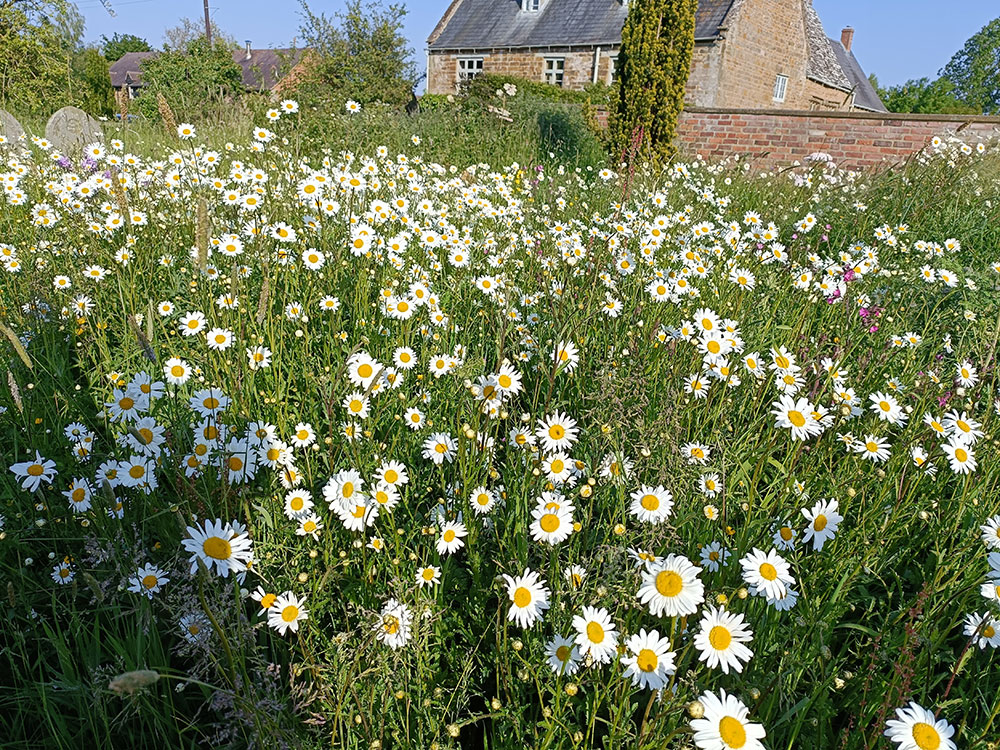
Part of the churchyard at Oxhill is managed for wildlife by the Oxhill Wildlfe Society (OWLS).
St Peter’s Church, Kineton
Resources & Guides for Churchyards




| Title | Categories | Link |
|---|
Upcoming Events