
Habitats
Ponds
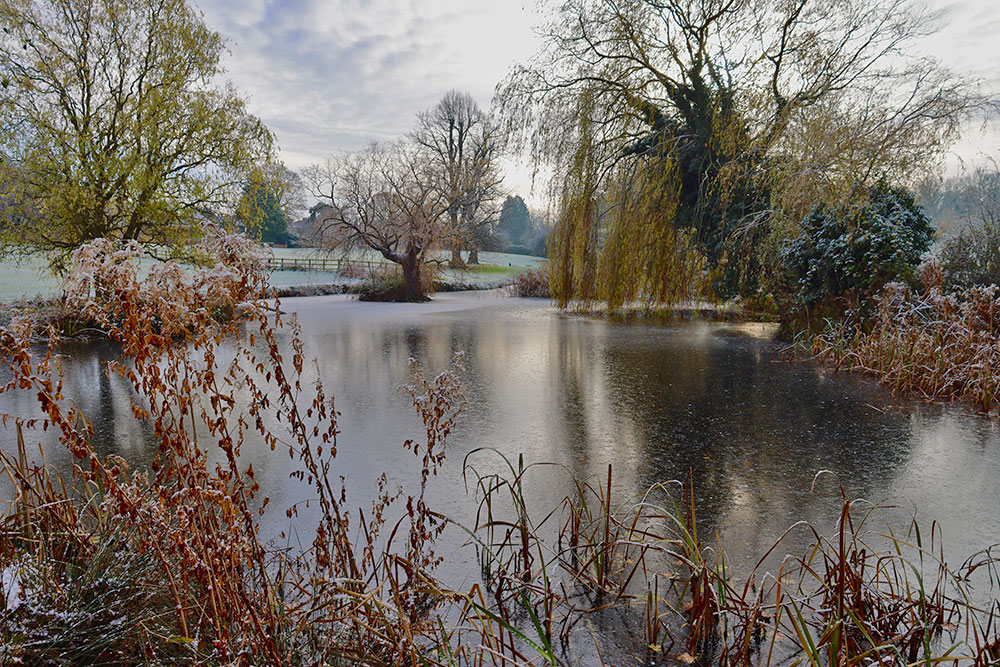
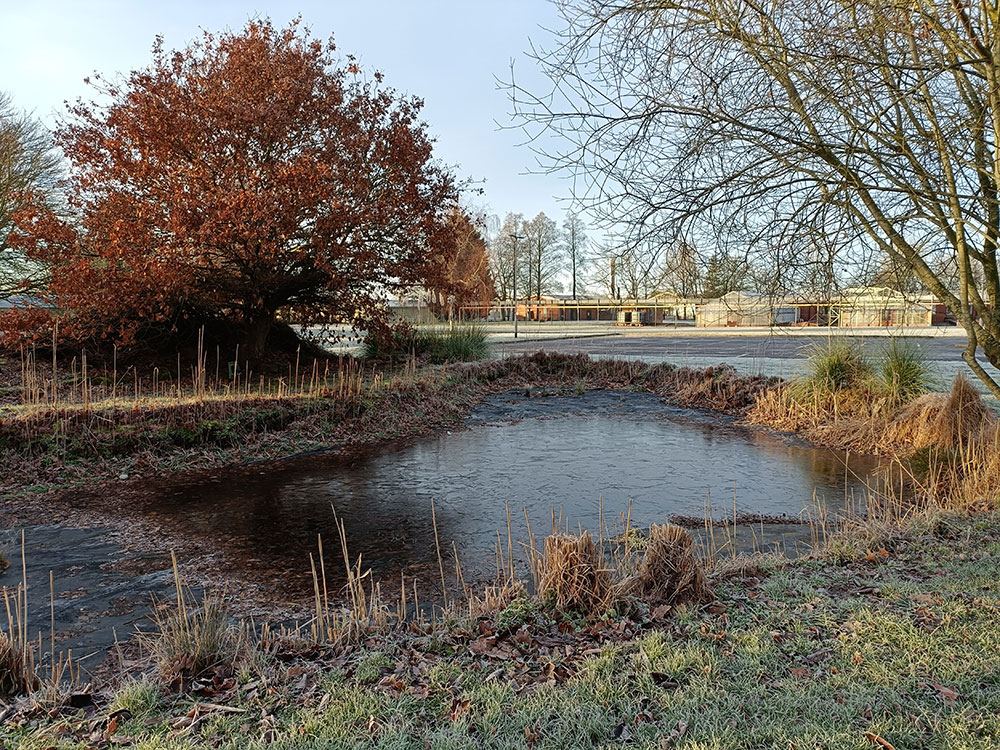
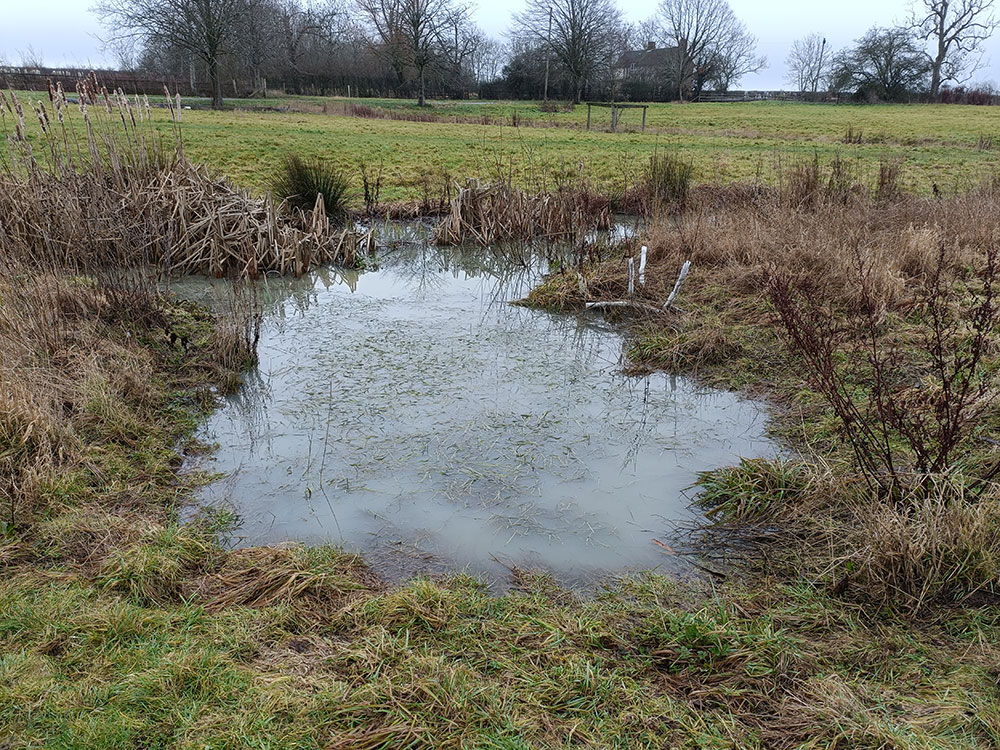
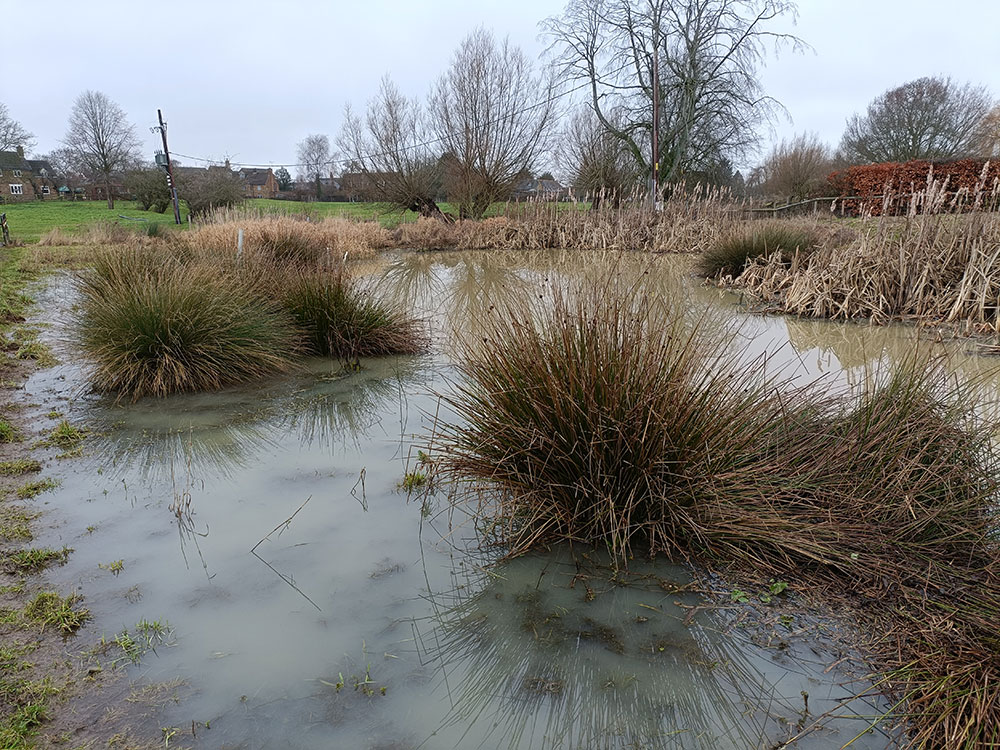
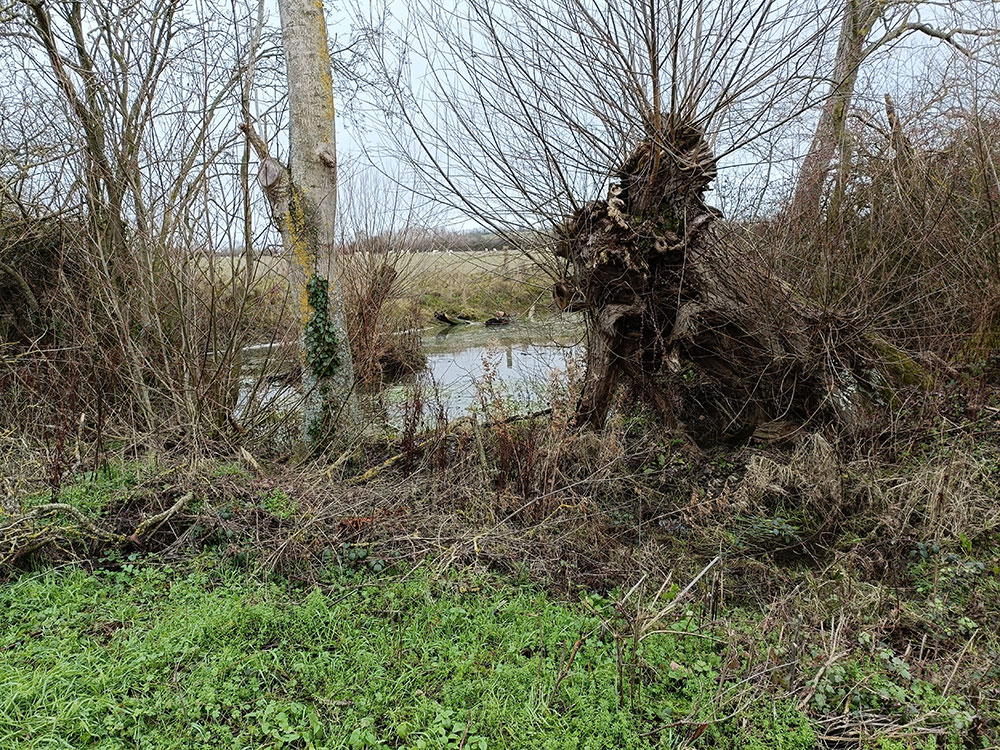
The total number of ponds in Britain has declined significantly over the last century, with an estimated one third lost in the past 50 years alone. Many of these ponds were originally man-made, created to supply water for livestock. In recent decades, however, agricultural intensification has reduced their biodiversity value through neglect (such as silting-up), pollution from fertilisers, pesticides and herbicides, and the loss or deterioration of surrounding habitats.
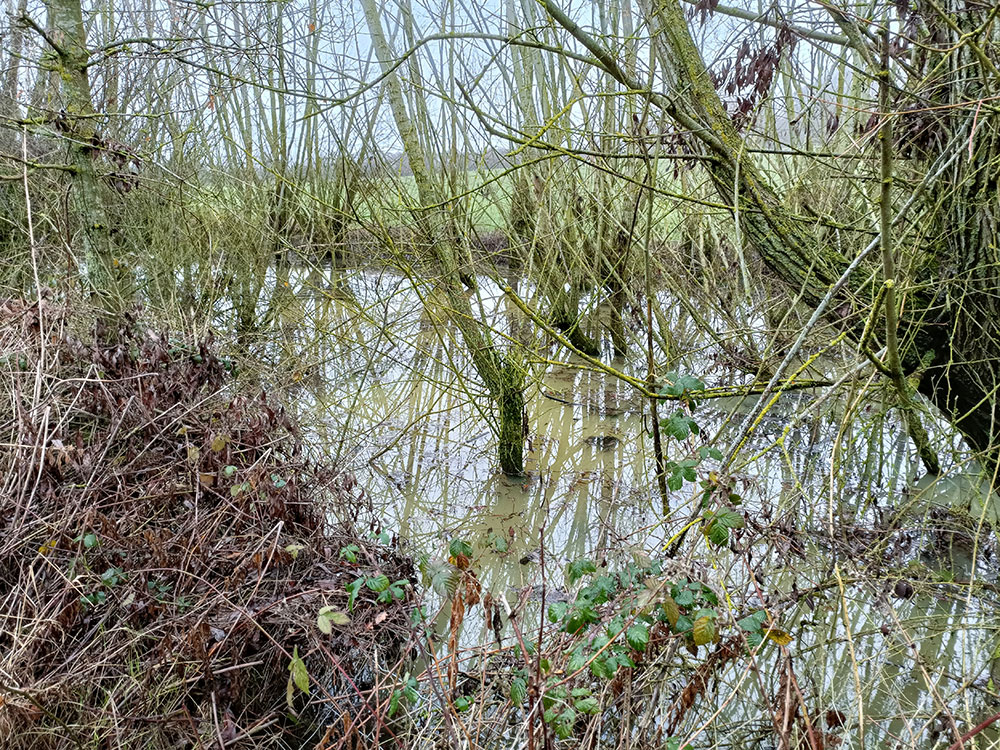
A diverse range of pond types within the landscape is essential for wildlife. This includes ponds that are shaded or unshaded, permanent or seasonal, deep or shallow, large or small, and grazed or ungrazed. Restoring, resurrecting, creating and carefully managing ponds is vital to achieving a better balance of pond types and replacing those that have been lost. In many cases, old ponds that were deliberately infilled can also be successfully brought back to life.
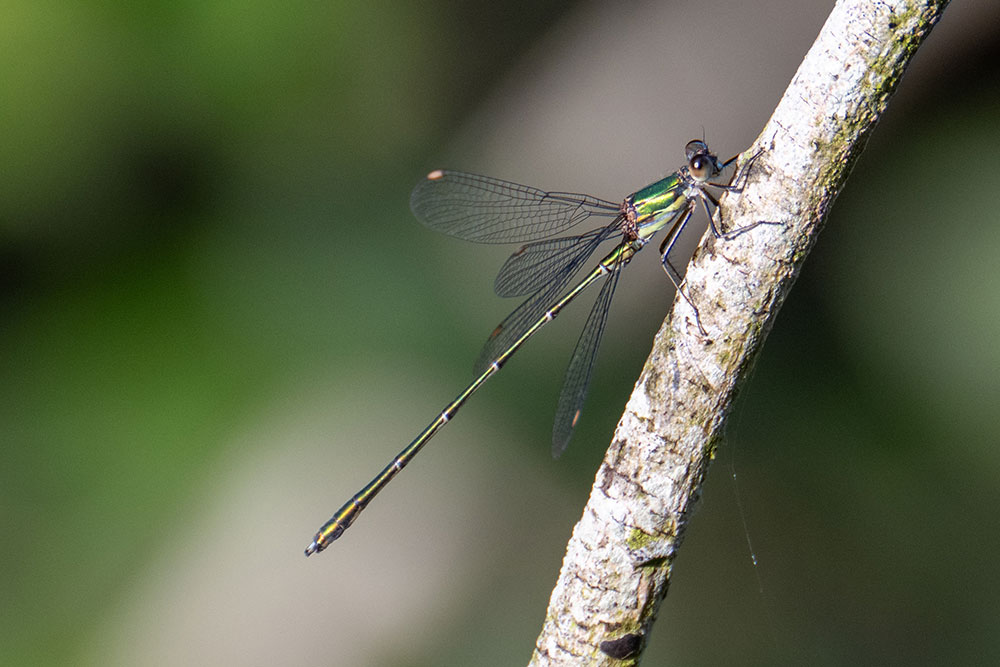
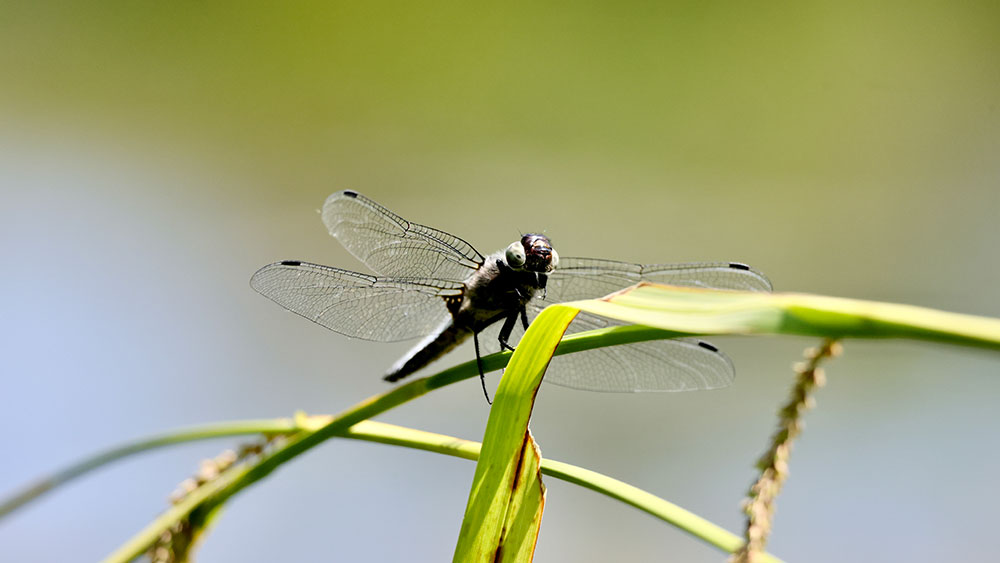
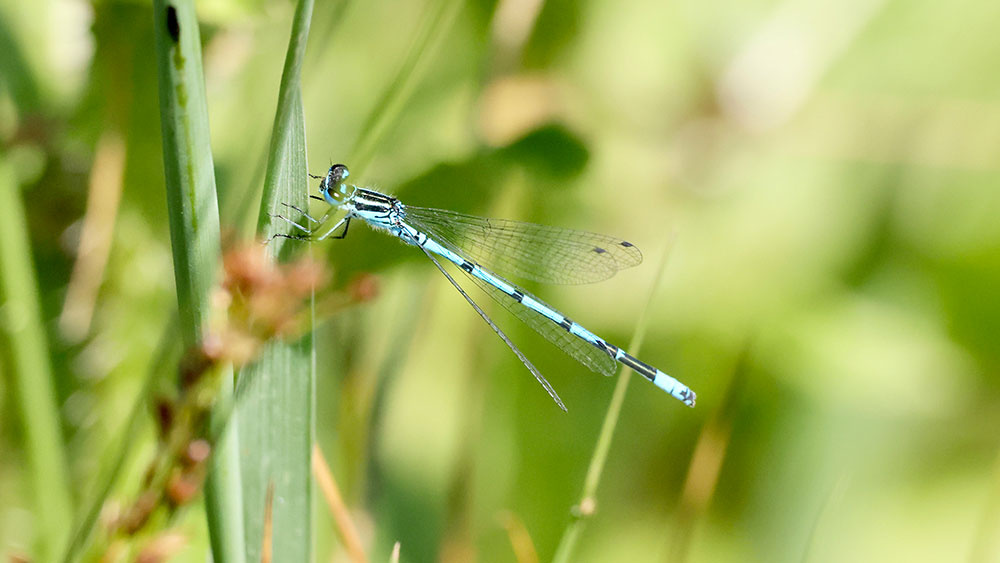
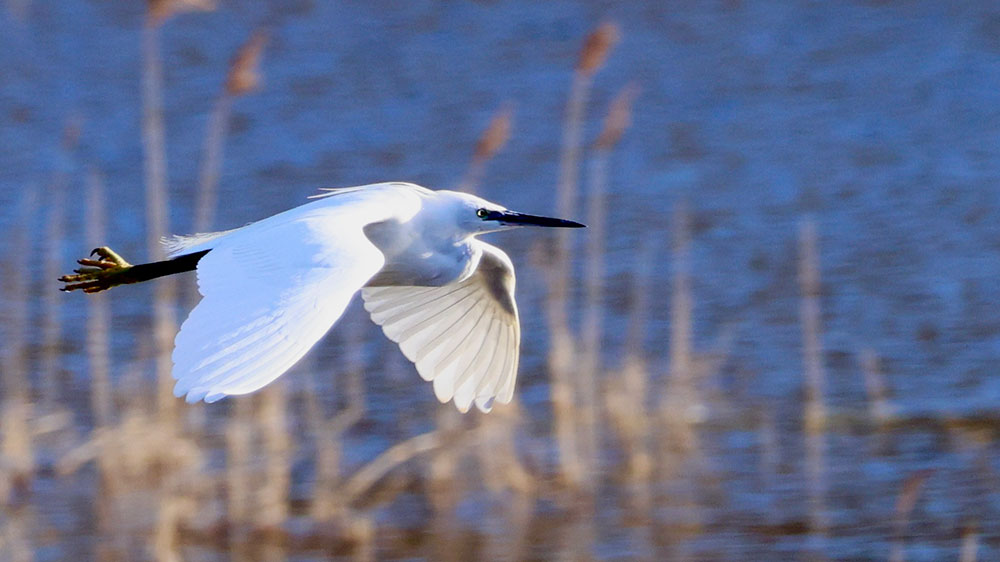
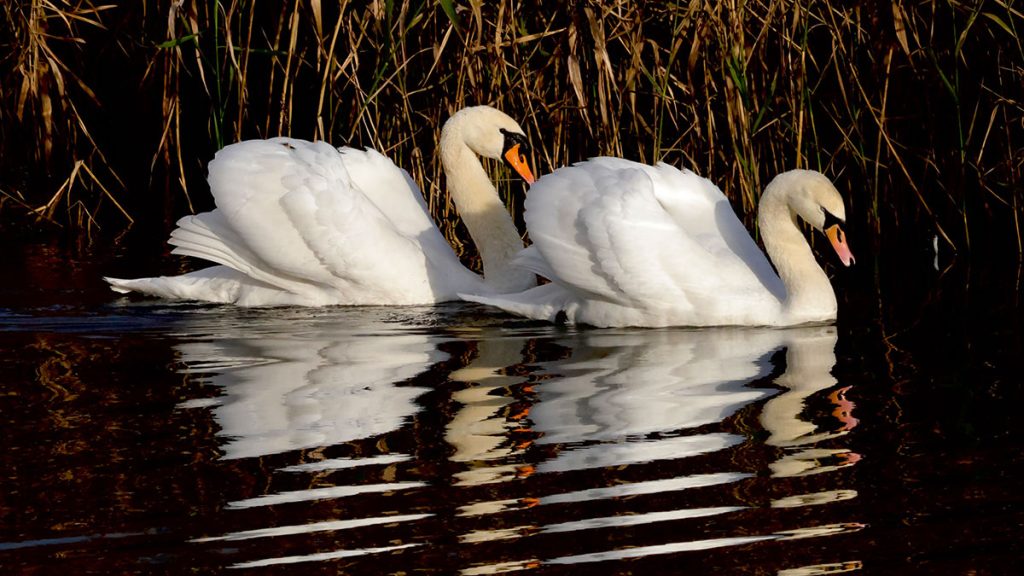
Ponds support a wide variety of plant and animal life. Aquatic and emergent plants include water lilies, pondweeds, reeds and reed-mace, as well as microscopic algae. A rich diversity of animals also rely on ponds, including fish, waterfowl, herons, amphibians and reptiles (frogs, newts and grass snakes), insects (e.g. dragonflies, midges and water beetles) and other invertebrates such as water snails, leeches and crustaceans.
Many of these species depend on very specific conditions, including water depth, water quality, pond size, seasonal water-level fluctuations, plant abundance, the presence or absence of fish and other predators, and low levels of disturbance. Seasonal drying during summer, for example, can be highly beneficial for certain species.
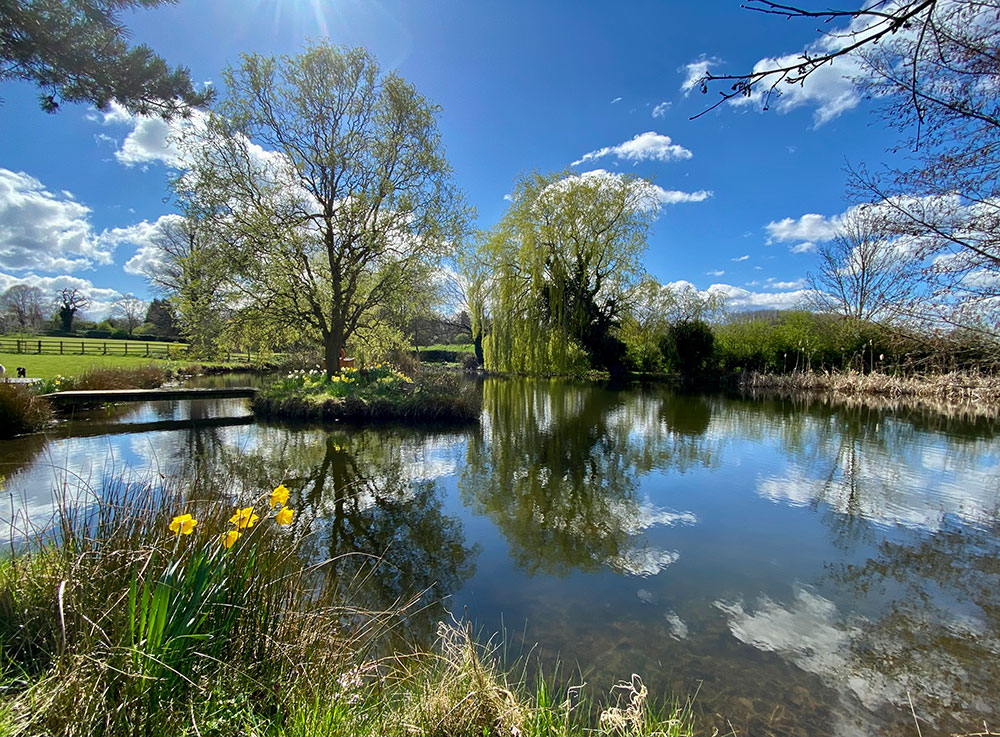
Garden Ponds
Creating a pond is one of the most valuable ways to support wildlife in a garden. It provides essential habitat for wetland species such as frogs and dragonflies, while also benefiting a wide range of garden plants, insects, birds, and mammals. Garden ponds play a vital role in helping wetland wildlife thrive, not only in rural areas but in towns and cities as well.
Resources & Guides for Ponds




| Title | Categories | Link |
|---|